

Should researchers start to think about the role that the immune system plays in type 2 diabetes?
Scientists publishing in the journal Nature Medicine looked at why some obese people develop diabetes while others who are markedly overweight are not affected by the disease.
Researchers have linked the onset of diabetes to inflammation, which involves the immune system. “The researchers have identified immune system antibodies in people who are obese and insulin-resistant that aren’t present in people who are obese without insulin resistance,” says the source of this post, HealthFinder.gov.
Read More »
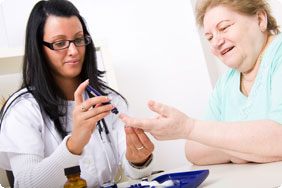
Why do some people with type 1 diabetes remain free of diabetic retinopathy and other complications while others suffer from sight loss as well as kidney and cardiovascular problems?
Researchers publishing in Diabetes Care set out to answer this question by studying individuals who have been living with type 1 diabetes for over 50 years. It seems that the sample group of 351 people with longterm diabetes diagnoses was mostly good at maintaining stable blood sugar levels, but blood sugar control did not seem to be the determining factor when it came to eye, kidney, and heart problems.
Read More »

Another major study describes how some of the spices in your kitchen can help treat diabetes.
Garlic, ginger, and turmeric were found to have positive effects on diabetic rats. The study, published in the British Journal of Nutrition (2011), 105: 1210-1217, finds that ingesting these common spices helped the animals who suffered from metabolic syndrome and helped modulate oxidative stress levels.
Rats who took the spices in powder form mixed with water for 28 days showed a 80-97% reduction in metabolic syndrome symptoms. The animals’ insulin production increased by 26-37% and their antioxidant defense systems were boosted by up to 52%.
Read More »
Your eye doctor can help to detect whether you have diabetes.
When an optometrist dilates your eyes prior to an eye exam it makes it easier for her to look at the condition of your retina. She can look for and readily detect early signs of diabetic retinopathy that indicate that you have diabetes. Such signs include leaking blood vessels in the retina, swelling of the retina and deposits on the retina. The retina is the only part of the body where blood vessels can be observed without looking through the skin. This window into the state of your heath is a wonderful early detection system.
Read More »

Whole Grains
Women with diabetes can cut their risk of death from a heart attack by eating more whole grains.
A study published in the journal Circulation discusses how women who are a diet rich in whole grains and wheat bran were 16-31% less likely to die over a 26 year period compared to women who did not eat those foods. When researchers considered mortality risks specifically associated with cardiovascular problems, those who ate a whole-grain and bran healthy diet were 28-35% less likely to die of heart related causes during the study’s duration.
Read More »
Americans of all ages are less healthy than people in Britain, according to an extensive new research project.
A study of health surveys of 40,000 U.S. residents and 70,000 individuals in the U.K. showed that Americans had more chronic diseases than their British counterparts. Poor health was measured in rates of obesity, elevated cholesterol, heightened inflammation factors, diabetes, and asthma.
Published: MedlinePlus
Read More »

A blood test may help determine your risk of developing diabetic retinopathy.
A study published in the Archives of Ophthalmology describes how a HbA1c test, which measures the amount of glycated hemoglobin in your blood, can indicate whether individuals with diabetes are likely to develop the sight threatening condition diabetic retinopathy. Researchers reveal that people with unhealthy HbA1c and blood sugar levels run a significantly higher risk of developing diabetic retinopathy within 10 years.
The scientists hope their findings will help doctors spot patients who are most likely to lose their eyesight and make recommendations on how to improve their lifestyle choices to maintain their eye health.
Read More »
Natural Eye Care, Inc.
3 Paradies Lane
New Paltz, New York 12561
Phone: 845.475.4158

NaturalEyeCare™ started in 1999 to help the public and professionals learn about complementary care in eye disease treatment.
The information and recommendations we offer are based on over 30 years of peer review research and personal clinical experience which guides us in providing a valuable resource to our readers, customers and patients regarding maintaining healthy vision naturally.
We believe that vision health is intimately connected to overall mental, physical and spiritual health. Therefore we encourage people to look at their overall lifestyle and diet as part of keeping healthy vision and reducing the risk of eye disease onset. This includes diet, regular exercise, and management of daily stress. If one has health issues such as high blood pressure, a thyroid imbalance, any autoimmune disease and/or are on medication(s), these possible contributions to eye disease should considered when working with your health care professional.
Please do not hesitate to call us at 845.475.4158 with any questions and concerns.