
 The macular pigment of the eye is formed by a combination of lutein and zeaxanthin. Lutein is more than just a filter of blue light and an antioxidant. Consider these points about lutein:
As the “Baby Boomer” generation in the United States approaches their 60’s and beyond, the incidence of eye disease in this aging population will rise. Eye problems become more prevalent as an individual ages. What are the most common eye diseases in older people? How can eye geriatric eye disease be prevented and addressed naturally? And what does Baby Boomer natural eye care look like?
Read More »

The brain and the body are in constant relationship. This truth is further supported by the recent study published in General Hospital Psychiatry that describes how people who suffer from both depression and diabetes are more likely to end up with diabetic retinopathy.
In a study that controlled such factors as obesity, smoking, and activity, diabetic retinopathy was linked to occurrences of depression. Over the five year trial, almost one quarter of patients with depression developed the eye disease compared to less than 20% of those who did not have depression. Researchers extrapolate that depression increases one’s risk of developing retinopathy by 15%.
Read More »
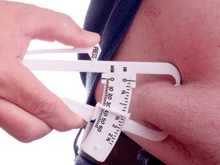
Don’t just take it from us that glaucoma risk increases in those who have diabetes, high blood pressure, and who are overweight. Researchers publishing in the journal Ophthalmology have found that these conditions, which together are labeled “metabolic syndrome” are all linked to the development of open-angle glaucoma.
A staggering 20% of people in America are said to have metabolic syndrome. Both metabolic syndrome and glaucoma are associated with aging, so, as the US population gets older, scientists believe that both conditions with become more prevalent.
Read More »

Changes in lifestyle are usually the most important way that individuals with diabetes can control their conditions. Most people seem to know this, but a new survey shows that many diabetics do not follow that advice.
A study called SHIELD (The Study to Help Improve Early Evaluation and Management of Risk Factors Leading to Diabetes), which was presented at the annual meeting of the American Diabetes Association, surveyed nearly 4,000 people with type 2 diabetes. In response to questions about the link between diabetes and obesity, 87% said they knew excessive weight contributed the disease, but only 70% of respondents reported trying to lose weight in the preceding year. Only a third of those surveyed had managed to maintain their target weight for longer than six months. Almost one-fifth of those studied (17%) said they preferred to take medication to control their conditions rather than try diet and exercise.
Read More »
Lupins lining the roadsides are common sights for anyone who has visited Atlantic Canada or Maine during the summertime, but have you ever heard of eating lupine seeds? Even better, have you ever heard about how good lupin flour can be for the heart?
A study out of the University of Western Australia describes how it is possible to lower your risk of heart disease “significantly” by replacing conventional wholemeal flour with a blend that contains 40% lupin beans. A yearlong study of over 100 overweight men and women showed that increasing one’s intake of “lupin flour lowered blood pressure and reduced the risk of heart disease.”
Read More »
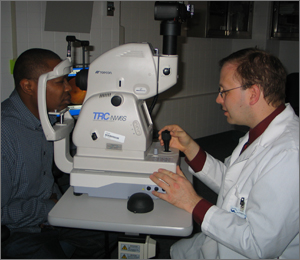
A new study confirms what might sound like common sense: the more severe one’s case of diabetic retinopathy, the more likely one’s quality of life is to deteriorate.
Published in the journal Ophthalmology (Issue 118, 2011), research suggests that individuals’ quality of life declines more rapidly when their sight loss due to diabetic retinopathy becomes more severe. The study involved over 1,000 type 2 diabetes patients taking part in the Los Angeles Latino Eye Study.
Read More »
Natural Eye Care, Inc.
3 Paradies Lane
New Paltz, New York 12561
Phone: 845.475.4158

NaturalEyeCare™ started in 1999 to help the public and professionals learn about complementary care in eye disease treatment.
The information and recommendations we offer are based on over 30 years of peer review research and personal clinical experience which guides us in providing a valuable resource to our readers, customers and patients regarding maintaining healthy vision naturally.
We believe that vision health is intimately connected to overall mental, physical and spiritual health. Therefore we encourage people to look at their overall lifestyle and diet as part of keeping healthy vision and reducing the risk of eye disease onset. This includes diet, regular exercise, and management of daily stress. If one has health issues such as high blood pressure, a thyroid imbalance, any autoimmune disease and/or are on medication(s), these possible contributions to eye disease should considered when working with your health care professional.
Please do not hesitate to call us at 845.475.4158 with any questions and concerns.