
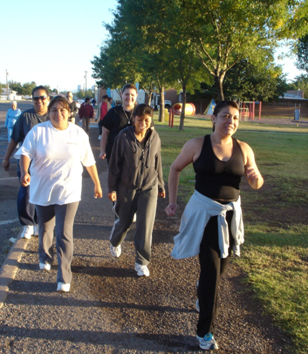
A new study published in the British Medical Journal makes the case for walking away from diabetes.
The researchers studied nearly 600 adults over 5 years and found that those who took 10,000 steps per day (the equivalent of 5 miles) had much better insulin sensitivity than those who walked less.
Diabetes risk decreases when one’s insulin sensitivity increases.
Source: LA Times article
Read More »
Though we have often heard that whole grains are an essential part of a healthy diet, but this may not be true for everyone. According to Dr. Mercola, over 85% of Americans have trouble controlling their insulin levels which is related to the development of diabetes.
Eating carbohydrate-containing foods, whether high in sugar or high in starch (such as bread – even organic, whole-grain bread, potatoes, processed breakfast cereals, and rice), temporarily raises blood sugar and insulin levels.
Read More »
Natural Eye Care, Inc.
3 Paradies Lane
New Paltz, New York 12561
Phone: 845.475.4158

NaturalEyeCare™ started in 1999 to help the public and professionals learn about complementary care in eye disease treatment.
The information and recommendations we offer are based on over 30 years of peer review research and personal clinical experience which guides us in providing a valuable resource to our readers, customers and patients regarding maintaining healthy vision naturally.
We believe that vision health is intimately connected to overall mental, physical and spiritual health. Therefore we encourage people to look at their overall lifestyle and diet as part of keeping healthy vision and reducing the risk of eye disease onset. This includes diet, regular exercise, and management of daily stress. If one has health issues such as high blood pressure, a thyroid imbalance, any autoimmune disease and/or are on medication(s), these possible contributions to eye disease should considered when working with your health care professional.
Please do not hesitate to call us at 845.475.4158 with any questions and concerns.