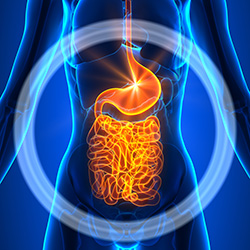
 Seniors often struggle with some form of indigestion: bloating and gas. What can you do to prevent indigestion? Could digestive enzymes help? Digestive issues can stop you from absorbing of key nutrients. Nutrition is especially important for seniors’ eye health. Read on to find out more about digestive enzymes.
What are Digestive Enzymes?
Digestive enzymes help break down food in the digestive tract. As we grow older, our body produces fewer of these enzymes. Undigested food passes into the colon, where it causes bloating, gas, diarrhea, and cramping. Lack of digestive enzymes makes seniors vulnerable to malnutrition.
This is a list of digestive enzymes:
Protease
The older we get, our pancreas produces less of protease enzymes necessary for breaking down protein and associated with colon cancer.
Supplemental protease reduces the allergenic potential of meat products and may reduce symptoms associated with gluten and casein intolerances.
Lactase
Lactase is responsible for breaking down lactose (milk sugar), but this enzyme is often deficient in seniors.
Removing dairy from the diet can lead to insufficient calcium intake, increasing the risk of osteoporosis and fractures.
Supplemental lactase reduces the severity of abdominal cramping, belching, flatulence, bloating, and diarrhea in individuals with lactase insufficiency.
Lipases
Lipases break down the fat from individual fatty acids and related substances. They help the body absorb vital fat-soluble nutrients, e.g., essential fatty acids and Vitamins D, K, E, and A.
Insufficient lipase results in incompletely digested fats passing through the GI tract, producing fatty stools and cramping. It can also lead to malnutrition because it prevents the body from absorbing valuable fat-soluble vitamins.
Cellulase
The enzyme cellulase breaks down cellulose, the indigestible polysaccharide in dietary fiber. This allows for smoother digestion of tough vegetable fiber, such as we find in broccoli, asparagus, and beans.
Fiber is vital as it produces beneficial short-chain fatty acids that help in preventing cancer and metabolic syndrome, treating intestinal disease, and maintaining colon health.
Amylase
Amylase enzymes are responsible for digesting carbohydrates and starch. A deficiency in this enzyme causes undigested carbs to ferment and produce carbon dioxide and water. This leads to flatulence and diarrhea.
Bromelain
Extracted from pineapple stem and fruit, bromeliad contains powerful proteases. Bromeliad can improve digestion and the absorption of both protein and fat.
Summary
Along with a nutritious diet, supplemental digestive enzymes can deter indigestion. Talk to your doctor if you have indigestion. If you try digestive enzyme supplements, keep a log to track any changes. Take digestive enzymes directly before eating, according to package directions.
Note: Natural Eye Care offers several quality digestive enzyme supplements.