
 Our body naturally produces enzymes for digestion, so why might we need digestive enzyme supplements? Some fresh and fermented foods contain large amounts of digestive enzymes. How do these chemical catalysts help digestion? What happens if we do not have enough enzymes? Do we produce enough enzymes as we age? Does our diet today contain enough digestive enzymes?
What Are Digestive Enzymes?
Enzymes are catalysts. A catalyst enables a chemical reaction without being changed. For example, lactase is a digestive enzyme that splits lactose, from milk, into more easily digestible sugars. People who have difficulty digesting milk can take a lactase supplement to facilitate digestion.
What Happens to Seniors?
The aging body has less efficient digestion. Seniors are subject to more bloating, gas, indigestion, abdominal pain, and other digestive malfunctions. They gradually produce fewer digestive enzymes. Improperly digested food causes uncomfortable symptoms. In extreme cases, seniors can become malnourished from poor absorption. Their calorie needs are lower than young people’s, making proper nutrition an uphill battle.
Where Are the Enzymes?
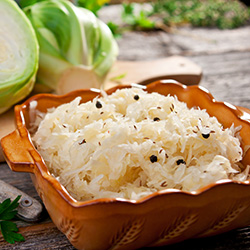
Large amounts of digestive enzymes are found in certain fresh and fermented foods. Fresh foods include papayas, bananas, pineapples, kiwi, apricots, and avocado (note: canning pineapple destroys the valuable bromelain enzyme and other enzymes as well.) Fermented foods include sauerkraut, soy sauce, kefir, raw kimchi, miso, and tempeh.
The Standard American Diet (SAD) consists mostly of packaged foods and insufficient digestive enzymes. The Mediterranean Diet for example has far more fresh foods, plus fermented foods such as Greek yogurt, cured olives, and feta cheese.
Enzyme Supplements
Seniors may benefit from convenient enzyme supplements. Often in pill form, supplemental digestive enzymes can reduce digestive discomfort and symptoms. Additionally, taking a pill is typically easier than buying fresh foods and preparing special meals. Eating high-enzyme foods is helpful, but may not provide enough enzymes on a regular basis. Seniors might not be able to get enough enzymes from food is they are over 60 years of age, on medication, or have health conditions that cause chronic inflammation.
Look for an enzyme supplement that assists with all types of food: proteins, fats, carbohydrates, cellulose, and milk. Deficiency in even one type of enzymes can cause intestinal issues, and poor availability of essential nutrients to the body from food.
Enzyme Supplements and the Eyes
The eyes require a great deal of essential nutrients to maintain optimal health and reduce the risk of eye disease onset. For those with any eye conditions, the availability of essential nutrients is even more critical. Seniors are highly vulnerable to eye diseases such as cataracts, macular degeneration, and glaucoma. At the same time, they produce less digestive enzymes, often resulting in poorer nutrient absorption. Therefore, adding digestive enzymes can improve overall health and help protect the eyes from disease.
Editor’s note: At Natural Eye Care, we have a variety of recommended broad spectrum supplemental digestive enzymes.
