
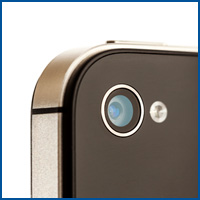
 Their process used an iPhone app called Filmic pro and a few other instruments. Researchers were able to create high-quality fundus images. This method could create a more portable and inexpensive option in eye treatment.
Fundus photography is crucial to eye care. It is used routinely to document eye condition in consultation and operation. However, commercial fundus cameras are very costly. This limits smaller practices and doctors in third world countries.
The researchers simplified this process with the iPhone camera. Previous attempts were limited by the built-in focus and exposure of smartphones.
Read More »
The device is a result of a collaboration between Cardiff University and engineers from the UK Astronomy Technology Center (UK ATC).
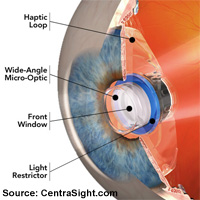
AMD is one of the most common diseases
Read More »
 Approval to distribute the Alpha IMS wireless implant for retinitis pigmentosa (RP) has been granted in Europe to Retina Implant AG, based in Reutlingen, Germany. Thirty-six patients have received the subretinal implant, designed to restore useful vision to people legally blinded by RP.
Retinitis pigmentosa is a generative eye disease that begins in young people and may be inherited. RP patients may be able to
Read More »
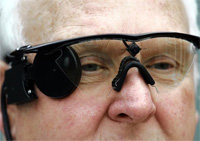 The first implanted device for adults with retinitis pigmentosa has been approved by the U.S. Food and Drug Administration. Called the Argus II Retinal Prosthesis System, the device includes a tiny video camera, a transmitter (on a pair of glasses), and a video processing unit. The patient’s retina is replaced with a prosthesis. The camera wirelessly transmits visual information to the retinal prosthesis to improve vision.
 The FDA has approved a patented device called the iStent® Trabecular Micro-Bypass Stent that helps reduce eye pressure from glaucoma in patients who also have cataracts. The new device addresses the fact that 90 of patients with glaucoma are not compliant with their glaucoma eye drop instructions, and half stop using their drops after 6 months. iStent allow patients to use eye drops less often, and may even make the drops unnecessary.
Glaucoma is a serious and progressive eye disease in which a build-up of pressure in the eye causes damage. It may have no symptoms in its early stage and therefore, regular screening by an optometrist or ophthalmologist is necessary. Glaucoma is especially prevalent in the elderly.
 Breakthrough research into vision restoration may result in a new type of prosthetic for people suffering from vision loss due to retinal degenerative diseases such as macular degeneration and retinitis pigmentosa.
Researchers cracked the retinal code that the retina uses to communicate with the brain. Their initial research was on mice. They determined which electrical signals the retina uses when communicating with the brain. Then, they mimicked the signals using electric-signal sending glasses in blind mice. The animals’ vision was restored to near normal.
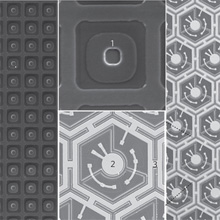 Experimental research at Stanford University school of medicine may result in the restoration of vision for people whose sight has been lost due to Age-Related Macular Degeneration (ARMD), Retinitis Pigmentosa and other diseases of the retina. Surgeons plan to implant small solar panel-like cells under the retina. When the patient wears a special type of goggles, a camera and small computer will allow them to see the world around them again.
The goggles will have a tiny camera and a small computer. The computer will process data from the camera and display images on an LCD (liquid crystal micro-display) on the goggles. The images on the LCD are beamed using laser pulses of IR-A (near-infrared) light to tiny photovoltaic silicon chips implanted under the retina. The electrical currents from the chips’ photodiodes would trigger signals in the retina. From the retina, the message would flow to the brain, giving the patient the ability to see.
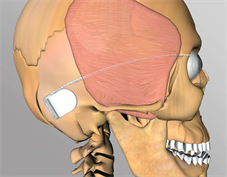 Two men blinded by retinitis pigmentosa have had their sight partially restored by receiving electronic retinal implants at King’s College Hospital in England.
The surgery involves implanting a 3×3 mm2 microchip with 1,500 electrodes below the retina. A thin cable is run to a special sub-dermal control unit that is implanted behind the ear. When light reaches the eye, pixels in the chip are stimulated, sending electronic signals to the optic nerve and then to the brain. An external power unit can be connected to the chip using a magnetic disk implanted on the scalp. This allows the chip’s sensitivity to be altered.
Clinical trials began more than 6 years ago. The technology is improving over time, with the more recent patients reporting better visual acuity.
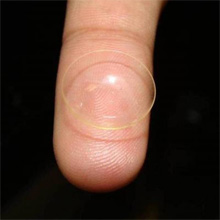 Treatment for the second leading cause of vision loss and blindness, glaucoma, may be improved with a new type of contact lenses that are loaded with Vitamin E. These new Vitamin E contact lenses may serve as delivery devices to treat glaucoma and other eye diseases such as dry eye and cataracts.
Medicated eye drops are typically prescribed as the primary treatment for glaucoma; however, the medicine is washed away in 2 to 5 minutes and most of it doesn’t reach the target tissues. Instead, most of eye drops enter the blood stream, where they may cause unwanted side effects.

The FDA has issued a Class I recall of certain contact lenses in the AvairaTM line. The lenses may be contaminated with the residue of silicone oil. These contaminated CooperVision contact lenses can cause problems, including severe pain, blurred vision and eye injuries, including torn corneas. Not all users of the contaminated lenses experience symptoms.
The recall started with just one type of lens in August 2011, and has been expanded as of November 2011 to include certain packages of Avaira Toric and Avaira Sphere contact lenses. These lenses are used to
Read More »
Natural Eye Care, Inc.
3 Paradies Lane
New Paltz, New York 12561
Phone: 845.475.4158

NaturalEyeCare™ started in 1999 to help the public and professionals learn about complementary care in eye disease treatment.
The information and recommendations we offer are based on over 30 years of peer review research and personal clinical experience which guides us in providing a valuable resource to our readers, customers and patients regarding maintaining healthy vision naturally.
We believe that vision health is intimately connected to overall mental, physical and spiritual health. Therefore we encourage people to look at their overall lifestyle and diet as part of keeping healthy vision and reducing the risk of eye disease onset. This includes diet, regular exercise, and management of daily stress. If one has health issues such as high blood pressure, a thyroid imbalance, any autoimmune disease and/or are on medication(s), these possible contributions to eye disease should considered when working with your health care professional.
Please do not hesitate to call us at 845.475.4158 with any questions and concerns.