
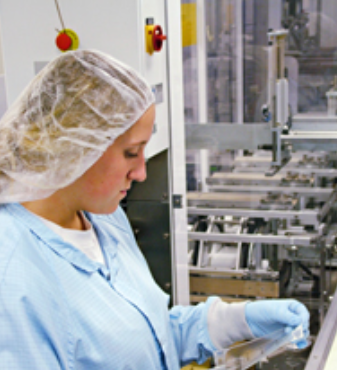
European ophthalmologists are jumping on the “green” bandwagon and attempting to develop a program dedicated to the recycling and recovery of surgical instruments.
As single-use surgical instruments grow in popularity, so have environmental concerns as people consider the effect their manufacture and disposal have on the planet. European fabricator of medical devices, Blink Medical, is working with doctors to help them recycle their equipment. The company is taking responsibility for the collection, cleaning, and recycling of the instruments at no charge to the physicians.
Read More »

Johnson & Johnson Vision Care has initiated a voluntary recall of its 1-Day Acuvue TruEye contact lenses made of narafilcon A. According the Associated Press, these lenses were only distributed in Japan and parts of Asia and Europe, according to the AP; 100,000 boxes in total have been recalled. No consumers in either the U.S. or Canada should be effected (the North American lenses are made of narafilcon B).
The recall is bases on a limited number of user complaints related to a stinging sensation felt when the lenses were placed on the eye. According to Johnson and Johnson the problem stems from a malfunctioning manufacturing line in Ireland.
Read More »
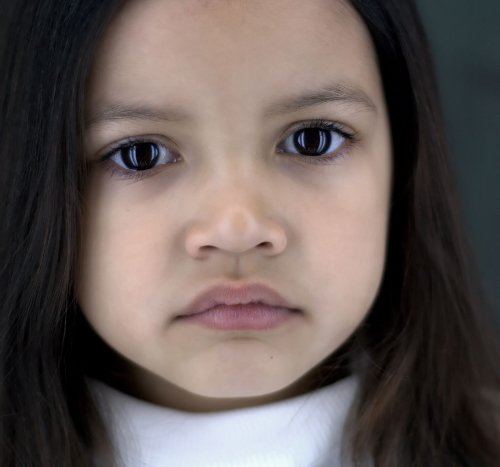
Kids who wear contact lenses rather than glasses enjoy better vision-related quality of life. A new study published in Optometry and Vision Science reports that in the children who participated in the three year study fared better regarding their feelings about appearance and participation in athletics if they wore contacts. In particular, children over age 10 experience the greatest improvement in quality of life.
According to Jeffrey J. Walline, O.D, Ph.D., Ohio State University College of Optometry and leader of the Adolescent and Child Health Initiative to Encourage Vision Empowerment (ACHIEVE) Study, “The growing body of research in children’s vision correction continues to demonstrate that contact lenses provide significant benefits to children beyond simply correcting their vision. This study showed considerable improvement for contact lens wearing children 10 years or older in areas of appearance, participation in activities, and satisfaction with vision correction, and it remained or improved over three years.”
Read More »
Natural Eye Care, Inc.
3 Paradies Lane
New Paltz, New York 12561
Phone: 845.475.4158

NaturalEyeCare™ started in 1999 to help the public and professionals learn about complementary care in eye disease treatment.
The information and recommendations we offer are based on over 30 years of peer review research and personal clinical experience which guides us in providing a valuable resource to our readers, customers and patients regarding maintaining healthy vision naturally.
We believe that vision health is intimately connected to overall mental, physical and spiritual health. Therefore we encourage people to look at their overall lifestyle and diet as part of keeping healthy vision and reducing the risk of eye disease onset. This includes diet, regular exercise, and management of daily stress. If one has health issues such as high blood pressure, a thyroid imbalance, any autoimmune disease and/or are on medication(s), these possible contributions to eye disease should considered when working with your health care professional.
Please do not hesitate to call us at 845.475.4158 with any questions and concerns.