
Home > Blog > Eye & Vision Devices > Contact Lens > Warnings Against Decorative, Non-Prescription Contact Lenses

Warnings Against Decorative, Non-Prescription Contact Lenses

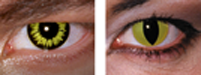
decorative contact lenses
Image courtesy of fda.gov

It’s October and Halloween is around the corner and that means that many people are going to want to do something to change their appearance.  This year, wear a great mask instead of trying out decorative contact lenses.

The Food and Drug Administration has issued many warnings against buying illegitimate over-the-counter contact lenses.  Even non-corrective lenses are monitored by the FDA out of concerns for public health.  According to the FDA, “Unauthorized contact lenses of all types present risks to the eye that include corneal ulcers, corneal abrasion, vision impairment, and blindness.”

The American Optometric Association has issued its own warnings.  They caution consumers that using  contacts that are not proscribed by a licensed medical professional can lead to “conjunctivitis, swelling, allergic reaction and corneal abrasion due to poor lens fit.”

For information on natural treatment options for conjunctivitis, visit our website.

It is possible to see an eye doctor to determine if you can safely wear cosmetic contact lenses and to get a proper prescription.


Natural Eye Care, Inc.
3 Paradies Lane
New Paltz, New York 12561
Phone: 845.475.4158

Natural Eye Care

NaturalEyeCare™ started in 1999 to help the public and professionals learn about complementary care in eye disease treatment.

The information and recommendations we offer are based on over 30 years of peer review research and personal clinical experience which guides us in providing a valuable resource to our readers, customers and patients regarding maintaining healthy vision naturally.

We believe that vision health is intimately connected to overall mental, physical and spiritual health. Therefore we encourage people to look at their overall lifestyle and diet as part of keeping healthy vision and reducing the risk of eye disease onset. This includes diet, regular exercise, and management of daily stress. If one has health issues such as high blood pressure, a thyroid imbalance, any autoimmune disease and/or are on medication(s), these possible contributions to eye disease should considered when working with your health care professional.

Please do not hesitate to call us at 845.475.4158 with any questions and concerns.

Recent Posts

Category