
 Smartphones, computers, tablets, and televisions are being blamed for a sharp increase in teenagers’ need for eyeglasses in the United Kingdom. The number of teens who need glasses nearly doubled, from 20% in 2012 to 35% in just four years later.1 Myopia was the diagnosis for 66% of these teens. Myopia, or nearsightedness, makes distant objects look blurry. Excessive up-close focusing is a risk factor for developing myopia.
Nearsightedness generally develops in childhood and stabilizes in teenagers. The eyeball becomes too long. Similar to a projector, light from the eye focuses on the retina. With nearsightedness, the light focuses in front of the retina, not on it. Sometimes the cornea is misshapen.
Read More »
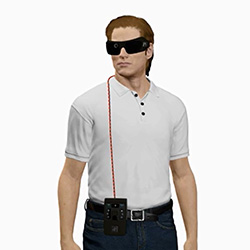 People with vision loss due to retinal disease may be able to use a bionic system to improve sight in the near future. Pixium Vision is running a feasibility study on is PRIMA System, and they got better-than-expected results. The study is on patients with dry Age-Related Macular Degeneration. Currently, medical science cannot restore vision in those with retinal dystrophies. The PRIMA System may lead to vision restoration for patients with Macular Degeneration, Retinitis Pigmentosa and other retinal diseases.
Read More »
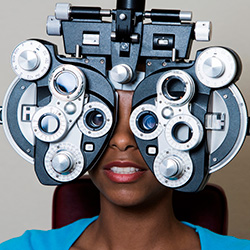 Regular eye exams improve quality of life, but how often do you need an eye exam? No one wants to waste time and money on unnecessary vision screenings and exams. On the other hand, eye exams can catch minor problems before they become major problems.
Many eye problems have subtle symptoms or no symptoms at all.
Read More »
 Whenever the sun is shining, drivers need to wear sunglasses. Glare from the sun is unsafe and can cause accidents. The eyes are vulnerable to damage from sunlight. Which types of sunglasses are best for driving? How do sunglasses protect the eyes?
New drivers have the mantra drilled into them: “Hands on the wheel, eyes on the road.” Bright sunlight streaming through the windshield is hard on the eyes. Even a slightly
Read More »
 Corneal abrasions are scratches on the outermost part of the eye. Sometimes a painful injury is the clear cause. Other times, symptoms can build slowly over a few hours. A corneal abrasion causes so much discomfort that sufferers should seek medical care quickly. The scratch can become infected and cause serious damage in as little as 24 hours. Therefore, recognizing a corneal abrasion could save your sight.
The cornea has 6 layers, and it is very sensitive. It helps the body regulate tear production. The cornea sends signals to the brain to direct it to tell the lacrimal glands whether more or less tears are needed every moment.
Read More »
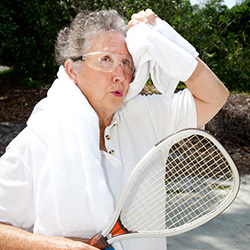 Almost everyone who plays sports is at risk of eye injury. From a flying puck in hockey to an eye poke in wrestling, all types of sports can result in eye injuries. Even the mild game of golf has a hidden hazard: the sun. Protective eyewear prevents most types of eye injury.
We depend heavily on our eyes to play sports. Hand-eye coordination is key. The eye is a delicate and exposed organ. Our eyelids provide some protection. We automatically blink when an object comes rapidly toward the eyes. The next level of defense is the cornea, the outermost protective layer of the eye. A scratched cornea is painful, but it preferable to life-changing lens or retinal damage.
Read More »
 When eye injuries occur, eye first aid can prevent blindness and vision loss. Eye injuries can be inconsequential or life-changing. Know what to do with each type of eye injury. Also learn how to prevent injuries to the eyes. Most eye injuries can be prevented with protective eyewear. You should keep certain items on-hand in case of eye injuries.
 People who have advanced eye disease have waited too long to improve their vision health. Keeping the eyes health is a lifetime endeavor. An unhealthy lifestyle and poor nutrition lead to a higher risk of eye diseases. Researchers have linked cataracts, macular degeneration, glaucoma, optic neuropathy, retinal vein occlusions, and other eye conditions to mostly-controllable risk factors. Seniors are especially at risk. Natural Eye Care offers this guide to improving vision health.
Read More »
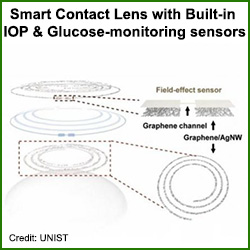 Diabetics and glaucoma patients could start wearing comfortable smart contact lenses to monitor blood sugar and intraocular pressure. Professor Jang-Ung Park and colleagues in South Korea1 have solved some of the problems associated with smart contact lenses by using graphene. They recently released a study documenting their breakthrough research. These biosensors may have broad applications for detecting and treating disease.
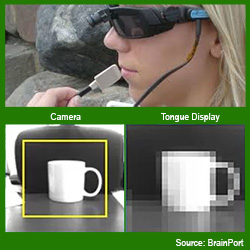 Visually impaired people can now detect their surroundings using a camera and a small device held on the tongue. Wicab Technology’s BrainPort converts visual data into tiny electrical signals. The tongue is sensitive enough to detect the patterns on an electrode array. With training, the brain learns to process the data in both the somatosensory cortex and the visual cortex. This sensory substitution device represents hope for the visually impaired. Visual impairment can be
Read More »
Natural Eye Care, Inc.
3 Paradies Lane
New Paltz, New York 12561
Phone: 845.475.4158

NaturalEyeCare™ started in 1999 to help the public and professionals learn about complementary care in eye disease treatment.
The information and recommendations we offer are based on over 30 years of peer review research and personal clinical experience which guides us in providing a valuable resource to our readers, customers and patients regarding maintaining healthy vision naturally.
We believe that vision health is intimately connected to overall mental, physical and spiritual health. Therefore we encourage people to look at their overall lifestyle and diet as part of keeping healthy vision and reducing the risk of eye disease onset. This includes diet, regular exercise, and management of daily stress. If one has health issues such as high blood pressure, a thyroid imbalance, any autoimmune disease and/or are on medication(s), these possible contributions to eye disease should considered when working with your health care professional.
Please do not hesitate to call us at 845.475.4158 with any questions and concerns.