
Myopic macular degeneration is not commonly known in the U.S. even though it is the 7th highest ranking cause of legal blindness. In other parts of the world, such as Japan and China, it is the second highest cause of legal blindness. In addition, people of Jewish and middle eastern extraction are greater risk of developing the condition.
What is It?
 Myopic macular degeneration (MMD) arises primarily from genetic abnormalities. 30% of all cases were present at birth; 60% of all cases develop before the child is 13. It often continues to worsen, becoming quite severe myopia by the late teens or early 20s and by 60, 50% of MMD patients are legally blind.
The condition is caused
Read More »
 Electronics have become primary obsessions in our personal and work lives. This has lead to nearly everyone becoming susceptible to Computer Vision Syndrome. Symptoms include dry eyes, eye strain, blurred vision, headaches, double vision, difficulty in concentrating, fatigue and/or and head, neck and shoulder pain.
Additionally, heavy computer use has been associated with glaucoma1 Electronics screens emit blue light that can damage the retina, leading to macular degeneration.2 Close-up work is associated with myopia (nearsightedness).3
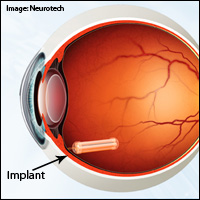 Clinical trials are underway for an implantable device that delivers medication directly to the eyes of people with age-related macular degeneration. Current treatment involves eye injections every four-to-eight weeks, which is difficult to comply with and can create complications. The new technology is a tiny device that is put into the eye and lasts up to 2 years, reducing or eliminating the need for the injections. The devices are being developed by Cumberland, Rhode Island-based Neurotech.
Read More »
 A new study has found that higher levels of mercury in the blood are linked to a greater chance of developing the eye disease glaucoma. Additionally, low levels of manganese (a chemical element) were associated with lower incidence of glaucoma.
This cross-sectional population-based study was published online on August 6th 2015 in JAMA Ophthalmology. The researchers looked a blood or urine metallic element levels, as well as eye disease in 2,680 Korean adults.
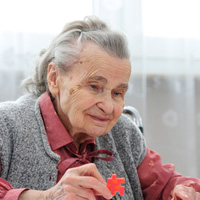 Past studies looking for an association between glaucoma and Alzheimer’s disease have been inconclusive. However, a recent 2015 large study of 7770 Alzheimer’s patients found such an association, specifically with women.
The study appeared in the July 2015 issue of Eye, and it was based on a study of ethnic Chinese in Asia. Each Alzheimer’s patient was matched randomly with controls of the same age and gender. They looked at who had a previous diagnosis of open-angle glaucoma.
Read More »
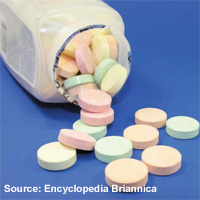 Age-related macular degeneration (AMD) has been linked to supplementing more than 800 mg of calcium per day. The link was strongest in the elderly, who suffer from AMD the most. The research was a cross-sectional study of National Health and Nutrition Examination Survey (NHANES) data. The RDA for calcium (CA) for adults is 1,000 mg; 1200 mg for women over 50. However, changes to the recommended total daily intake of CA have not been suggested.
This research was conducted at the University of California, SF, and appeared in JAMA Ophthalmology April 2015. It was based on surveys of calcium supplementation and AMD. In the past, the researchers had a similar finding with
Read More »
 Medical marijuana, or cannabis, is being legalized in more and more American states. For more than 40 years, the effect of medical marijuana on glaucoma has been studied. As cannabis becomes more accessible — and legal — glaucoma patients are becoming more interested in how this drug could help with their condition.
Medical marijuana has been shown in studies to decrease intraocular pressure (IOP) in glaucoma patients. The National Eye Institute found that although medical marijuana lowered IOP after taking the drug, the pressure is decreased for only 3 to 4 hours. This is considered
Read More »
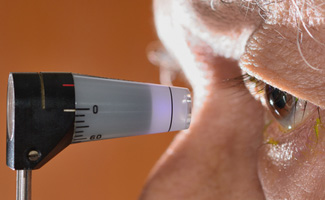 Several different types of glaucoma are the leading cause of blindness in the US1, and yet many cases of glaucoma begin without symptoms. Half of the 3 million-plus Americans who have glaucoma have been diagnosed.2 Glaucoma can affect anyone, but it is especially prevalent in persons over age 60. Everyone should have regular eye exams throughout their lives to screen for glaucoma, especially a dilated eye exam. Glaucoma tends to run in families, but anyone can get it.
Read More »
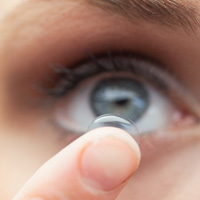 A biodegradable contact lens is being developed that would administer glaucoma medication and then disappear. The problem with eye drops is that they slip out of the eye and much of the medication is lost. This contact lens, designed by Mridula P. Menon in India, uses a nano-carrier loaded with the glaucoma drug acetazolamide that is dissolved in a transparent vinyl polymer.
The resulting lens can be easily inserted into the
Read More »
 New research indicates a breakthrough in repairing vision for patients with glaucoma. A clinical trial published in JAMA Ophthalmology showed vision improvement from daily computer-based training. Retinal damage due to glaucoma is considered irreversible, but this research indicates vision restoration is possible. By continually activating patients’ residual vision, computer training may be able to strengthen vision.
The clinical trial, conducted by Drs. J. Gublin and B. A.
Read More »
Natural Eye Care, Inc.
3 Paradies Lane
New Paltz, New York 12561
Phone: 845.475.4158

NaturalEyeCare™ started in 1999 to help the public and professionals learn about complementary care in eye disease treatment.
The information and recommendations we offer are based on over 30 years of peer review research and personal clinical experience which guides us in providing a valuable resource to our readers, customers and patients regarding maintaining healthy vision naturally.
We believe that vision health is intimately connected to overall mental, physical and spiritual health. Therefore we encourage people to look at their overall lifestyle and diet as part of keeping healthy vision and reducing the risk of eye disease onset. This includes diet, regular exercise, and management of daily stress. If one has health issues such as high blood pressure, a thyroid imbalance, any autoimmune disease and/or are on medication(s), these possible contributions to eye disease should considered when working with your health care professional.
Please do not hesitate to call us at 845.475.4158 with any questions and concerns.