
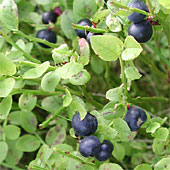
A nutritional supplement comprised of a patented blend of bilberry and pine bark is marketed as Mitrogenol. A study published in Clinical Opthamology describes a study of 79 people with raised eye pressure levels. The intraocular pressure (IOP) of participants who took Mitrogenol decreased by 24%. Those who took the pharmaceutical eye drop Latanoprost experienced a 28% drop in IOP. A third group that took a combination of both remedies watched their levels go down by 40%
Researchers found that taking these products together helped lower IOP and resulted in better retinal blood flow. It is noted that Latanoprost has been noted to cause dry eyes, eye color changes, and eyelid irritation.
Read More »
The antioxidants found in beverages and foods that contain caffeine seem to protect people against the development of Alzheimer’s disease and heart disease.
In a study published in The Journal of Physical Chemistry B researchers describe how coffee can be on the greatest sources of antioxidants in the modern diet. Scientists do not know exactly how coffee helps to fight the free radicals that can be destructive to eye health and overall health. At this point, they are speculating that caffeine is the agent responsible for coffee antioxidant properties.
Read More »
Glaucoma’s progress can be slowed as the result of taking the antioxidants vitamin E and N-acetyl cysteine.
A study published in Investigative Ophthalmology and Visual Science describes how reducing or reversing oxidation within the eyes may lead to the healing of the trabecular meshwork or outflow pathway in glaucoma patients. As the name suggests, antioxidants (like vitamin C and N-acetyl cysteine, which is found in eggs) combat the natural process of oxidization.
According to the study, the free radicals that result from the oxidation process lead to the destruction of the trabecular meshwork, which can lead to increased ocular pressure and glaucoma. (Issue: 49:1447-58, 2008)
Read More »
In addition to significantly compromising vision, glaucoma is a disease that also takes an emotional toll, according to a new study in the April issue of the Journal of Advanced Nursing.
This study of 24 Chinese individuals with glaucoma showed that there are many fears associated with the disease including concerns about blindness and how the condition may effect other family members. Many who were on medication, such as eye drops, were found to be self-administering them incorrectly.
Read More »

A genetic glitch may be responsible for incidents of cataracts in children.
According to a press release from Maine’s Jackson Laboratory, researchers have found that RNA granules, which are key components in the reproduction of genes, might be linked to eye development. Problems with RNA granules can result in juvenile cataracts and glaucoma. If there is a problem with a key gene, Tdrd7, the development of the lens of the eye will be compromised, leading to these potentially blinding conditions.
Read More »

A holistic perspective on health means that we recognize the interrelated nature of the body’s systems. It also means that we understand the connection between the eyes and seemingly unrelated conditions like sleep apnea and circulatory problems.
People who have sleep apnea are 75% more likely to have glaucoma than those without sleep conditions.
Read More »
Natural Eye Care, Inc.
3 Paradies Lane
New Paltz, New York 12561
Phone: 845.475.4158

NaturalEyeCare™ started in 1999 to help the public and professionals learn about complementary care in eye disease treatment.
The information and recommendations we offer are based on over 30 years of peer review research and personal clinical experience which guides us in providing a valuable resource to our readers, customers and patients regarding maintaining healthy vision naturally.
We believe that vision health is intimately connected to overall mental, physical and spiritual health. Therefore we encourage people to look at their overall lifestyle and diet as part of keeping healthy vision and reducing the risk of eye disease onset. This includes diet, regular exercise, and management of daily stress. If one has health issues such as high blood pressure, a thyroid imbalance, any autoimmune disease and/or are on medication(s), these possible contributions to eye disease should considered when working with your health care professional.
Please do not hesitate to call us at 845.475.4158 with any questions and concerns.