
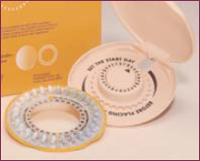
Taking birth control pills may be linked to the development of open angle glaucoma (also known as chronic glaucoma).
A study published in the journal Eye (18 February, 2011) describes the findings of a study of nearly 80,000 women over 26 years. The study sought to find the connection, if any, between the development of glaucoma and the women’s age at menarche, reproductive history, and taking oral contraceptives.
Read More »
Do Weight, Smoking, and Drinking Influence Chances of Developing Glaucoma?
A 2011 study published in the Archives of Ophthalmology seeks to determine how “lifestyle-related risk factors, such as socioeconomic status, smoking, alcohol consumption, and obesity” can influence the likelihood that people will develop open-angle glaucoma.
Nearly 4000 people were part of this nearly 10 year long study. None had glaucoma at the outset, but at the end, 2.7% had developed the eye condition.
Read More »
A new study further supports the benefits of eating eggs.
Michigan State University researchers sought to determine how eggs might be part of a healthy diet and also determine the impact egg consumption may have on cholesterol. Egg eaters showed higher levels of such vital nutrients as vitamins B12, A, E, and C. The study does remind us to enjoy eggs in moderation – four eggs per week is optimal. Eating more than four eggs per week can lead to increased cholesterol.
Source: maculardegenerationassociation.org
Eating eggs can also help prevent a number of eye conditions including macular degeneration, cataracts, and glaucoma.
Read More »
Most individuals with undiagnosed glaucoma do not notice any symptoms the condition is somewhat advanced. Technically, glaucoma is due to damage to the optic nerve, sometimes as a result of increased pressure of the aqueous humor – the clear, watery fluid that circulates in the chamber of the eye between the cornea and the lens.
Read More »

A healthy lifestyle can reduce your risk of stroke by up to 80%.
Research published in the journal Stroke encourages people to exercise regularly, drink alcohol only in moderation, eat plenty of fruits and veggies, control weight, and not smoke in order to avoid stroke.
These guidelines are the same that we recommend when it comes to avoiding vision conditions like cataracts, glaucoma, macular degeneration, and diabetic retinopathy.
Read More »
Natural Eye Care, Inc.
3 Paradies Lane
New Paltz, New York 12561
Phone: 845.475.4158

NaturalEyeCare™ started in 1999 to help the public and professionals learn about complementary care in eye disease treatment.
The information and recommendations we offer are based on over 30 years of peer review research and personal clinical experience which guides us in providing a valuable resource to our readers, customers and patients regarding maintaining healthy vision naturally.
We believe that vision health is intimately connected to overall mental, physical and spiritual health. Therefore we encourage people to look at their overall lifestyle and diet as part of keeping healthy vision and reducing the risk of eye disease onset. This includes diet, regular exercise, and management of daily stress. If one has health issues such as high blood pressure, a thyroid imbalance, any autoimmune disease and/or are on medication(s), these possible contributions to eye disease should considered when working with your health care professional.
Please do not hesitate to call us at 845.475.4158 with any questions and concerns.