
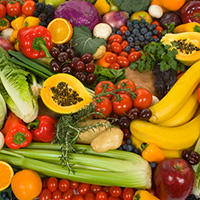
 Antioxidants have been studied as a way of preventing eye diseases such as macular degeneration and cataracts. Oxidative damage (free radical damage) may be a contributing cause of these diseases. People concerned about developing these problems may consider taking both dietary and supplemental antioxidants, such as fruits, vegetables, and supplements like lutein, zeaxanthin, glutathione, and CoQ10.
A common disease in people over age 50, cataracts is a clouding of the lens of the eye. It may be caused by oxidative damage to proteins in the lens from UV light exposure.
Read More »
 Chinese scientists have identified nutrients that come from marine algae that may prove to provide even better support for vision health problems due to computer eye syndrome than the antioxidants lutein and zeaxanthin. Fucoxanthin1 comes from a brown seaweed where it is the primary part of the light-absorbing mechanism of the plant. It is what gives seaweed a brown or olive-green color.
 A small study has shown microcurrent stimulation (electrotherapy) to benefit macular degeneration patients. While the study did not have controls, the research on 25 eyes with dry age-related macular degeneration, and 6 eyes with wet age-related macular degeneration found:
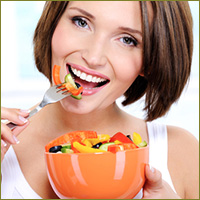 Eating plenty of fruits and vegetables helps ward off a common eye disease, age-related macular degeneration (ARMD). A study in Acta Ophthalmologica looked at the relationship between intake of antioxidants (including the antioxidant lutein) and the incidence of macular degeneration. It found that people with low intake of antioxidants were twice as likely to have this eye disease versus controls.
The macula is made from a yellow antioxidant called lutein. Dietary sources of lutein are leafy green vegetables (kale, spinach, collards, mustard greens), brussels sprouts, and broccoli. It is also found in eggs and corn. Lutein supplements can be made from marigolds.
Read More »
 Blue light is emitted from all handheld electronic devices as well as desktop and laptop computers and televisions. It is the shortest wave length light in the visible spectrum and causes significant damage to many parts of the eye seriously impacting present and future vision capacity. Damage from blue light from smartphones is particularly important because smartphones are often used in dim light and are used close to the eyes. Unlike ordinary computer vision fatigue, damage from blue light is serious, cumulative and irreversible.
Read More »
Eye strain is the symptom that most people associate with overuse of electronic visual display devices — from television to laptops & desktops — to smartphones — to handheld games and ebooks.
Smartphone ownership has grown explosively with 68% of Americans owning smartphones in 2015 compared to 35% in 2011. Most adults under age 50 (79%-85%) are smartphone owners, and of the middle-age to senior group (age 50-64) more than half own and use smartphones. This growth has lead to increased rates of a number of vision conditions.
Read More »
Myopic macular degeneration is not commonly known in the U.S. even though it is the 7th highest ranking cause of legal blindness. In other parts of the world, such as Japan and China, it is the second highest cause of legal blindness. In addition, people of Jewish and middle eastern extraction are greater risk of developing the condition.
What is It?
 Myopic macular degeneration (MMD) arises primarily from genetic abnormalities. 30% of all cases were present at birth; 60% of all cases develop before the child is 13. It often continues to worsen, becoming quite severe myopia by the late teens or early 20s and by 60, 50% of MMD patients are legally blind.
The condition is caused
Read More »
 Carotenoids have been shown to protect against oxidative damage, which can prevent both macular degeneration and factors contributing to dementia-related diseases (i.e., Alzheimer’s disease).1 Links have been found between these two diseases: patients with dementia were found to have poor maculas and a higher incidence of Macular Degeneration2.
However, these nutrients do not seem to be able to mitigate damage after dementia sets in. Therefore, making sure sufficient amounts of carotenoids are ingested at all ages
Read More »
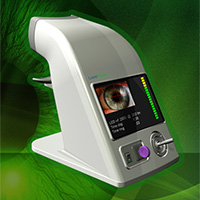 A low-level light treatment called photobiomodulation may be a future treatment for macular degeneration. A company called LumiThera is developing devices for treating vision loss. The devices expose the eye to low-level laser light or light emitting diodes to stimulate cellular function. This is called low level light therapy (LLLT). It is distinct from surgical or aesthetic laser treatments, which destroy tissue.
Visible or near infrared light (NIR) light is produced by a laser or a non-coherent light source. This therapy is in wide use by chiropractors, physiotherapists and sports medicine professionals to treat
Read More »
The Mediterranean Diet, based on consumption of vegetables and fruits, whole grains, nuts, seeds and legumes, and olive oil has been linked to many health benefits. The diet, based on foods eaten in Greece, southern Italy, and Spain, is low in saturated fats and high in fiber and monounsaturated fats.
When combined with regular exercise this way of eating has been strongly associated with many symptoms of improved health: decreased mortality, lowered cardiovascular risk factors, and weight loss. Research now associates a lowered risk of developing macular degeneration with the Mediterranean Diet.
Natural Eye Care, Inc.
3 Paradies Lane
New Paltz, New York 12561
Phone: 845.475.4158

NaturalEyeCare™ started in 1999 to help the public and professionals learn about complementary care in eye disease treatment.
The information and recommendations we offer are based on over 30 years of peer review research and personal clinical experience which guides us in providing a valuable resource to our readers, customers and patients regarding maintaining healthy vision naturally.
We believe that vision health is intimately connected to overall mental, physical and spiritual health. Therefore we encourage people to look at their overall lifestyle and diet as part of keeping healthy vision and reducing the risk of eye disease onset. This includes diet, regular exercise, and management of daily stress. If one has health issues such as high blood pressure, a thyroid imbalance, any autoimmune disease and/or are on medication(s), these possible contributions to eye disease should considered when working with your health care professional.
Please do not hesitate to call us at 845.475.4158 with any questions and concerns.