
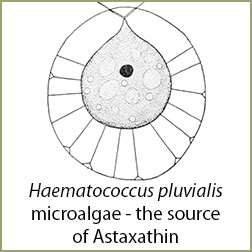
 A humble micro-algae produces a powerful antioxidant: astaxanthin. It does so to protect itself from ultraviolet radiation. Research shows that astaxanthin protects the human eyes and brain from serious diseases such as age-related macular degeneration and dementia, including Alzheimer’s disease, as well as conditions like computer eye strain and eye fatigue (asthenopia)1. Astaxanthin supplements are easy to take with no side effects. They are especially helpful as people age and begin to develop serious chronic conditions.
Read More »
 Electronics have become primary obsessions in our personal and work lives. This has lead to nearly everyone becoming susceptible to Computer Vision Syndrome. Symptoms include dry eyes, eye strain, blurred vision, headaches, double vision, difficulty in concentrating, fatigue and/or and head, neck and shoulder pain.
Additionally, heavy computer use has been associated with glaucoma1 Electronics screens emit blue light that can damage the retina, leading to macular degeneration.2 Close-up work is associated with myopia (nearsightedness).3
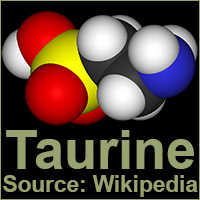 Your body is 1/1000th taurine, a chemical essential to life. The amino acid taurine is crucial for vision. It supports function of the heart, skeletal muscle, and the central nervous system.[1] The pancreas produces taurine, and taurine is a major component of digestive bile. The chemical can be ingested from meats, fish and supplements, such as pills and energy drinks.
In the 1970s, experiments on animals deprived of taurine found they did not develop proper vision. Since then,
Read More »
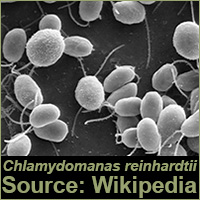 A type of algae offers hope of restoring sight to patients with retinal diseases such as macular degeneration and retinitis pigmentosa. Chlamydomona reinhardtii green algae uses a protein called Channelrhodopsin-2. This protein sits on the membrane of algae and opens or closes a tunnel-like structure in response to light. In essence, it detects light and transmits that information via electricity.
The research by Dr. Zhou-Hua Pan from Wayne State University could, in the future, provide vision restoration
Read More »
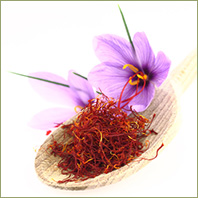 Taking saffron pills improved the visual acuity of age-related macular degeneration (AMD) patients in a small study. Macular degeneration is the gradual deterioration of the small, yellow-colored part of the eye near the center of the retina.
Saffron contains carotenoids called crocin and crocetin. These antioxidants have been shown to have a protective effect on retinal cells.
Read More »
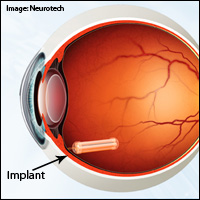 Clinical trials are underway for an implantable device that delivers medication directly to the eyes of people with age-related macular degeneration. Current treatment involves eye injections every four-to-eight weeks, which is difficult to comply with and can create complications. The new technology is a tiny device that is put into the eye and lasts up to 2 years, reducing or eliminating the need for the injections. The devices are being developed by Cumberland, Rhode Island-based Neurotech.
Read More »
 Women with specific genes may be more likely to develop age-related macular degeneration (AMD) if they are deficient in Vitamin D, according to new research in JAMA Ophthalmology.
The genetic variant (Y402H) studied is the complement factor H gene, called CFH for short. The genes in question are related to the immune system. The development of macular degeneration is believed to involve inflammation. In AMD, drusen, lipids (fats) and proteins build up in the eye. The body perceives the drusen to be an invader and attacks it. The genes appear to cause a stronger immune response.
Read More »
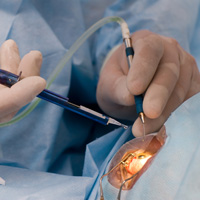 A study slated to appear in the peer-reviewed American Journal of Ophthalmology found that cataract surgery does not appear to worsen pre-existing wet AMD (age-related macular degeneration). However, cataracts surgery appears to slightly change the anatomy of the eye, which might make AMD patients more susceptible to cystoid macular edema (a side effect of cataracts surgery) and choroidal neovascularization.
Cataract surgery is a common surgery, with a very high success rate and low side effects. Replacing the clouded lens with an artificial intraocular lens (IOL) allows more light to reach the retina, which significantly improves vision in cataracts patients. Cataracts frequently appear in the eyes of individuals as they age.
Read More »
 Future treatments for macular degeneration (AMD), Stargardt’s disease, and retinitis pigmentosa may include bone marrow stem cell injections, if a new line of eye research pans out. A preliminary pilot study on six subjects with one of several ischemic eye diseases found that most patients had vision improvement after receiving injections of their own bone marrow.
The purpose of the study was to find out if there were any adverse side effects and to test for vision improvement. The only significant negative side effect was some pain after bone marrow
Read More »
 Scientists have partially restored sight in blind mice using a protein to repair damaged cells in the retina. These experiments may ultimately lead to treatments that restore sight in patients with progressive degenerative retinal diseases such as diabetic retinopathy, retinitis pigmentosa and macular degeneration.
The research at the University of Bern in Switzerland and the University of Göttingen in Germany used “optogenetics,” which involves utilizing light to control neurons. They introduced new light-sensing proteins called Opto-mGluR6 into the eye. In essence, this turned the old cells into photoreceptors. These cells were then able to process
Read More »
Natural Eye Care, Inc.
3 Paradies Lane
New Paltz, New York 12561
Phone: 845.475.4158

NaturalEyeCare™ started in 1999 to help the public and professionals learn about complementary care in eye disease treatment.
The information and recommendations we offer are based on over 30 years of peer review research and personal clinical experience which guides us in providing a valuable resource to our readers, customers and patients regarding maintaining healthy vision naturally.
We believe that vision health is intimately connected to overall mental, physical and spiritual health. Therefore we encourage people to look at their overall lifestyle and diet as part of keeping healthy vision and reducing the risk of eye disease onset. This includes diet, regular exercise, and management of daily stress. If one has health issues such as high blood pressure, a thyroid imbalance, any autoimmune disease and/or are on medication(s), these possible contributions to eye disease should considered when working with your health care professional.
Please do not hesitate to call us at 845.475.4158 with any questions and concerns.