
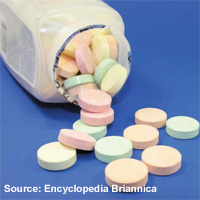
 Age-related macular degeneration (AMD) has been linked to supplementing more than 800 mg of calcium per day. The link was strongest in the elderly, who suffer from AMD the most. The research was a cross-sectional study of National Health and Nutrition Examination Survey (NHANES) data. The RDA for calcium (CA) for adults is 1,000 mg; 1200 mg for women over 50. However, changes to the recommended total daily intake of CA have not been suggested.
This research was conducted at the University of California, SF, and appeared in JAMA Ophthalmology April 2015. It was based on surveys of calcium supplementation and AMD. In the past, the researchers had a similar finding with
Read More »
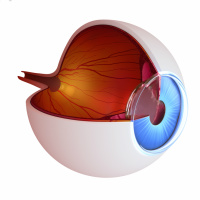 A cutting-edge project has produced a vast “road map” for proteins in the retinal pigment epithelium (RPE) and choroid of the eye. The project, conducted by recent grantees of a BrightFocus grant, mapped the locations and quantities of 4,403 different eye proteins. This research could be invaluable to further understanding of conditions such as age-related macular degeneration (AMD).
Read More »
 Patients with early signs of age-related macular degeneration (AMD) may benefit from an oral treatment of key nutrients. In a study published in the journal Ophthalmology, a solution of carotenoids with co-antioxidants was shown to both improve vision and slow further degeneration in participants with early AMD.
In the randomized double-masked trial, 433 adults with early AMD who were 55 years of age or older were given either an active solution or a placebo. At the start of the trial, all participants had either early AMD in one eye and late-stage AMD in the other, or early AMD in both eyes. The active oral solution contained
Read More »
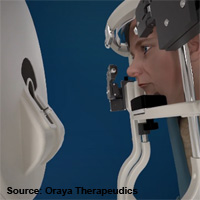 A one-time treatment for patients with wet age-related macular degeneration (AMD) is gaining popularity in Europe. Oraya Therapy, made by US-based company Oraya Therapeutics, Inc., is being offered at more locations in Europe, including a National Health Service hospital in the UK and several hospitals in Germany.
Oraya Therapy has already been a regular treatment option in hospitals throughout Germany, the UK, and Switzerland, increasingly embraced by patients, doctors, and insurance providers. The one-time treatment is a non-invasive therapy for wet AMD patients meant to maintain or improve vision and decrease frequency of anti-vascular endothelial growth
Read More »
 Watermelon is a great summer fruit, but it also has some powerful health benefits that you may not know about. The key nutrient in this tasty melon is lycopene, a carotenoid found in red fruits and vegetables, which is essential for eye health. Research has shown that a deficiency in lycopene is associated with macular degeneration. As such, it is important to maintain a diet rich in lycopene and other nutrients essential to preventing disease.
You’ve probably seen lycopene touted on bottles of tomato ketchup. It’s true that tomatoes are one source of lycopene, but ketchup
Read More »
 In the case of choroidal neovascularization (CNV, also known as “wet” macular degeneration), new blood vessels are the cause of the problem. Yet normally when new blood vessels are created in the body, it is a good sign. For example, it is part of the way the body heals wounds. But with CNV, the blood vessels pose a problem because they originate in the choroid layer of the eye and pass through a weak part of the Bruch’s membrane, the innermost layer of choroid, then pass into the subretinal pigment epithelium (sub-RPE) or subretinal space. These blood vessels aren’t supposed to exist in this part of the eye, are weak and tend to leak, potentially substantially impairing vision.
Oxygen and nutrients are provided to the eye by the choroid. The choroid
Read More »
 Excessive time spent in front of a computer, smartphone, or tablet screen can increase risk of macular degeneration, especially in young people.
The AOA’s survey focused on how much time parents thought their children spent on handheld devices. Their responses easily underestimated those of the children, aged 10 to 17, who reported (83%) that they use a handheld device for at least three hours a day, with 32 percent looking at a screen for more than an hour without glancing
Read More »
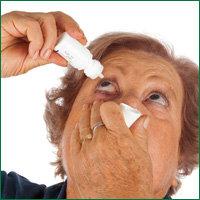 A new clinical trial showed positive results for patients with wet age-related macular degeneration (AMD). The study, which monitored the use and performance of Squalamine eye drops, showed improvement in a number of visual functions.
Conducted by Ohr Pharmaceutical, the nine-month research was a Phase II clinical trial that tested for the effectiveness of Squalamine eye drops in improving visual function. All patients had administered eye drops two times per day, either Squalamine or a placebo, plus injections of
Read More »
Natural Eye Care, Inc.
3 Paradies Lane
New Paltz, New York 12561
Phone: 845.475.4158

NaturalEyeCare™ started in 1999 to help the public and professionals learn about complementary care in eye disease treatment.
The information and recommendations we offer are based on over 30 years of peer review research and personal clinical experience which guides us in providing a valuable resource to our readers, customers and patients regarding maintaining healthy vision naturally.
We believe that vision health is intimately connected to overall mental, physical and spiritual health. Therefore we encourage people to look at their overall lifestyle and diet as part of keeping healthy vision and reducing the risk of eye disease onset. This includes diet, regular exercise, and management of daily stress. If one has health issues such as high blood pressure, a thyroid imbalance, any autoimmune disease and/or are on medication(s), these possible contributions to eye disease should considered when working with your health care professional.
Please do not hesitate to call us at 845.475.4158 with any questions and concerns.