
 Chinese Medicine can support eye health and help preserve vision. This traditional modality is helpful for people looking to reduce the risk developing eye disease and maintain healthy vision. Additionally, patients with existing eye conditions such as chronic dry eyes, cataracts, glaucoma, macular degeneration, and eye floaters can benefit from Traditional Chinese Medicine as part of their treatment plan.
Chinese medicine includes the use of acupuncture, herbs, as well as Tui Na (massage therapy), Gui Sha (skin scraping), and Qigong (physical exercises and breathing techniques). Acupuncture involves tiny, disposable needles painlessly inserted at certain points on the body.
Read More »
 Eye health is important for quality of life. Regular exercise has many significant benefits, including supporting healthy vision. This is especially true for seniors, who are most at risk for eye disease. While you cannot control all risk factors, sedentary behavior is a risk factor you CAN control. Avoiding tobacco and eating a healthy diet are also under your control. Genetics have an influence: a much higher percentage of African Americans have vision loss from glaucoma; non-Hispanic Whites top the charts in Age-Related Macular Degeneration vision loss1.
Exercise reduces oxidative stress, a significant factor in the development of eye
Read More »
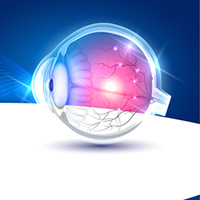
 Macular edema is a swelling of the macula, the part of the eye responsible for central vision. When fluid builds up in the macula, it becomes swollen and thicker. This distorts vision. There are several causes, including diabetic retinopathy, post-eye surgery complications, macular degeneration, injury, systemic inflammatory diseases that can affect the eye, and/or vein blockages. If an eye disease causes damage to blood vessels in the retina, it can cause macular edema. Left untreated, this problem can cause serious vision loss and even blindness.
An eye doctor will direct your care should macular
Read More »
Stem cells are the area of greatest potential in current medicine. They can turn into any tissue in the body and can therefore conceivably be used for treatment of countless diseases. Previous research and trials currently taking place use embryonic stem cells, however, their use is ethically controversial and carries the risk of rejection by a patient’s tissues. Of great interest is the developing technology in stem cells for macular degeneration.
Read More »
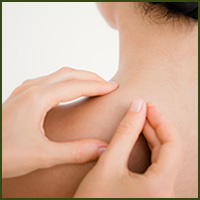 Acupuncture has been used for millennia to treat eye disease. Today, acupuncture can help preserve vision for those with a wide range of eye conditions including macular degeneration, glaucoma, eye floaters, dry eyes, cataracts and much more. Part of Traditional Chinese Medicine, acupuncture involves a practitioner inserting tiny needles into the skin. It is licensed and regulated by most states in the US. How does acupuncture work, and what are its effects on supporting eye conditions? What could you expect from acupuncture treatments? What can you do at home?
Natural Eye Care owners Michael Edson, L.Ac. and Marc Grossman, OD, L.Ac are both licensed acupuncturists specializing in the eye; Dr. Grossman is also a Doctor of Optometry. Here are the answers to these questions and more.
Read More »
 Low antioxidant levels in eye tissue are directly correlated to incidence of macular degeneration. A small study found a relationship between low intake of antioxidants and advanced Age-Related Macular Degeneration. Macular Degeneration is an eye disease associated with aging. Many middle-aged and elderly individuals seek to prolong good vision and prevent eye disease.
The different parts of your eye have special needs. Many antioxidants, vitamins, minerals and fatty acids are needed for good vision. But different parts of the eye especially need specific nutrients. A healthy diet can provide most of these nutrients – so, take a look at Food for Your Eyes.
Read More »
 Patients with early Age-Related Macular Degeneration (AMD) improved when taking a combination of nutrients. The nutrients were acetyl-L-carnitine, omega-3 fatty acids, and coenzyme Q10.1
The double-blind trial was controlled with a soy oil placebo. The study included over 100 patients with AMD. They were assigned to take two capsules per day for 12 months of either the treatment capsule or the placebo. Nearly all of the subjects who took the supplements for one year showed significant improvement in visual acuity (Snellen Chart & ETDRS chart), foveal sensitivity and changes in the back of the eye. The fovea is the only part of the eye where 100% visual acuity is possible. Only 2% of these subjects had clinically significant worsening of their condition. But 17% of the control group who received a placebo got worse.
 Astaxanthin is an extremely powerful antioxidant that is sometimes overlooked. It protects the body from free radical damage. Ten times more powerful than beta-carotene, astaxanthin is a carotenoid that can cross the blood-brain barrier1. This means it can reach the retina and macula of the eye.
Seniors need to be especially protective of their eye health. In Age-Related Macular Degeneration, the yellowish-colored macular responsible for central vision begins to break down. This makes driving, reading, cooking and recognizing faces difficult or impossible. Cataracts cause haziness and blurring as the lens becomes obscured. And glaucoma gradually steals peripheral vision due to damage to the optic nerve. A large body of research points
Read More »
 The sun sustains life, but it also can harm our eyes. Unsafe sun exposure causes or may contribute to several eye conditions and diseases. It can also cause eye injuries. Earth’s ozone layer absorbs most of the ultraviolet (UV) light from the sun, but chemicals have damaged it. Therefore, we must take extra precautions to prevent cataracts, age-related macular degeneration, ocular melanoma (eye cancer), and eye injuries such as pterygium (Surfer’s Eye), photokeratitis (snow blindness), and flash blindness. The sun is also a driving hazard when low on the horizon.
The body contains its own “sunscreen,” which is melanin. Dark-skinned people have more melanin and
Read More »
Natural Eye Care, Inc.
3 Paradies Lane
New Paltz, New York 12561
Phone: 845.475.4158

NaturalEyeCare™ started in 1999 to help the public and professionals learn about complementary care in eye disease treatment.
The information and recommendations we offer are based on over 30 years of peer review research and personal clinical experience which guides us in providing a valuable resource to our readers, customers and patients regarding maintaining healthy vision naturally.
We believe that vision health is intimately connected to overall mental, physical and spiritual health. Therefore we encourage people to look at their overall lifestyle and diet as part of keeping healthy vision and reducing the risk of eye disease onset. This includes diet, regular exercise, and management of daily stress. If one has health issues such as high blood pressure, a thyroid imbalance, any autoimmune disease and/or are on medication(s), these possible contributions to eye disease should considered when working with your health care professional.
Please do not hesitate to call us at 845.475.4158 with any questions and concerns.