
 The main indicator of age at first glance is facial wrinkles. Seniors who wish to maintain a youthful appearance are tempted to purchase wrinkle creams and supplements. Before buying, consumers should look at objective research. One supplement called astaxanthin has been shown in small studies to reduce wrinkling and enhance the skin. Astaxanthin is also excellent for the eyes. What is Astaxanthin made from? What are the benefits to the eyes and skin?
Read More »
 Your doctor may have mentioned that gut health affects mood, cholesterol levels, immunity and cardiovascular health. Reducing sugar intake and increasing fiber is good advice. However, new research has found that a specific gut microorganism has a strong influence on gut health. Unfortunately, the champion bifidobacteria declines significantly with age. Scientists have found an antidote: a probiotic called xylooligosaccharides (XOS). Taking very small doses of XOS increased bifidobacteria populations in the gut.
Read More »
 Eye vitamins are crucial to vision health. In fact, the eye is the most vitamin-hungry organ in the body proportional to its size. It is the second most physiologically active part of our body only second to our brain. We believe the eyes require approximately 25% of the nutrients taken into the body to maintain full health. Any less may eventually result in eye diseases such as macular degeneration, glaucoma and cataracts.
Many seniors suffer from these eye diseases. A lifetime of eye stressors, including excessive sunlight and poor diet, catches up with seniors. They also have less efficient digestion, poorer circulation and may have risk factors such as diabetes, long-term smoking, and lack of exercise. Dr. Grossman, a New York-based
Read More »
 People who have advanced eye disease have waited too long to improve their vision health. Keeping the eyes health is a lifetime endeavor. An unhealthy lifestyle and poor nutrition lead to a higher risk of eye diseases. Researchers have linked cataracts, macular degeneration, glaucoma, optic neuropathy, retinal vein occlusions, and other eye conditions to mostly-controllable risk factors. Seniors are especially at risk. Natural Eye Care offers this guide to improving vision health.
Read More »
 Did you know that certain vision changes can indicate early-stage Alzheimer’s disease? Alzheimer’s is the #3 killer in the United States, right behind cancer and heart disease. Scientists are researching early detection. Catching this disease in its earliest stages opens up potential treatments, before significant brain damage sets in. Treatments for early Alzheimer’s are also being heavily researched. The retina develops from neural tissue, and the entire eye reflects the health of an individual. Therefore, non-invasive screening
Read More »
 Curcumin is a powerful antioxidant and anti-inflammatory spice. Inflammation plays a role in many eye conditions, including uveitis, glaucoma, and macular degeneration. Used for millennia in Indian cooking, curcumin is the main ingredient in turmeric. Turmeric gives mustard its yellow color. When combined with black pepper, this spice is easier to absorb. You can use turmeric in cooking and take it as a supplement.
 Have you ever heard that your eyes need plenty of nutrition? It’s true, and research backs this up. But did you know that the Standard American Diet tends to be very low in some eye-essential nutrients? The eyes are the second most physiologically active part of our body (#1 is the brain). At Natural Eye Care, we believe the eyes require approximately 25% of the nutrients we take into our body, if we eat a healthy diet. Even though most Americans consume enough calories, we may still have poor nutrition for the eyes. No wonder Macular Degeneration, cataracts, glaucoma, optic nerve
Read More »
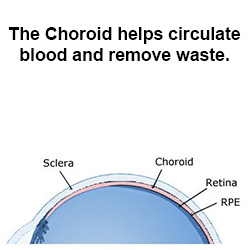 The eye has a delicate vascular system. Eye circulation brings oxygen and nutrients to the eyes. It also removes waste products. The “choroid” is the part of the eye that circulates blood. Fats and blood clots that damage the arteries can also clog the arteries and veins in the eyes. This condition is common as people age. Poor circulation is associated with many eye diseases:
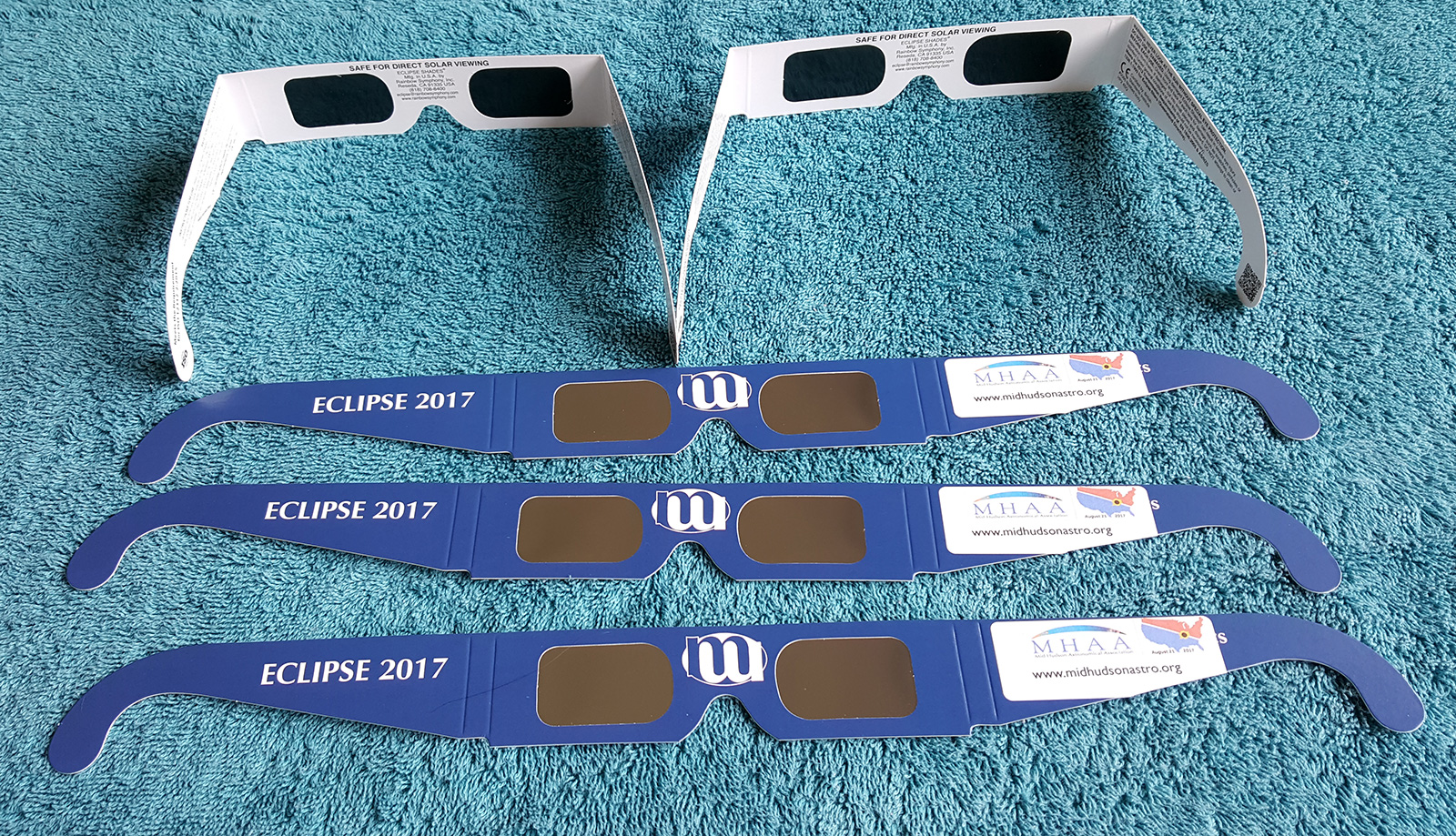 Solar eclipse on Monday, August 21st! You can protect your eyes from eye damage, including corneal burns and future eye disease such as macular degeneration. Whether your geographical location will have a partial or total solar eclipse, you need to protect yourself from eye damage. Find out why, and which solar eclipse viewing glasses will protect your vision from damage.
Read More »
 Smartphones can damage the eyes and cause disturbed sleep. Therefore, Natural Eye Care has issued safety guidelines for smartphones. We have summarized research on how smartphone misuse could contribute to the onset of serious eye diseases such as glaucoma and macular degeneration. Eye strain and discomfort from improper smartphone habits create unnecessary suffering. Night time smartphone use leads to poor sleep.
However, there is much you can do to prevent problems from smartphones. At the end of this article, you will find suggestions for how to use smartphones without damaging your eyes.
Read More »
Natural Eye Care, Inc.
3 Paradies Lane
New Paltz, New York 12561
Phone: 845.475.4158

NaturalEyeCare™ started in 1999 to help the public and professionals learn about complementary care in eye disease treatment.
The information and recommendations we offer are based on over 30 years of peer review research and personal clinical experience which guides us in providing a valuable resource to our readers, customers and patients regarding maintaining healthy vision naturally.
We believe that vision health is intimately connected to overall mental, physical and spiritual health. Therefore we encourage people to look at their overall lifestyle and diet as part of keeping healthy vision and reducing the risk of eye disease onset. This includes diet, regular exercise, and management of daily stress. If one has health issues such as high blood pressure, a thyroid imbalance, any autoimmune disease and/or are on medication(s), these possible contributions to eye disease should considered when working with your health care professional.
Please do not hesitate to call us at 845.475.4158 with any questions and concerns.