
 Biohacking refers to hacking human biology. The term “hacking” implies rogue, off-road, off-label, do-it-yourself activities. It stems from computer terminology, referring to illicitly defeating security protocols. However, the term has evolved to mean solving problems by undermining the established methods.
Regarding vision health, we have identified three types of biohacks: Nutrition Biohacks (Nutrigenomics), Quantified Self Biohacking (personal tracking devices), and Grinders (cyborgs devices).
Read More »
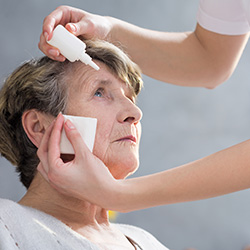 Glaucoma is an eye disease typically associated with high intraocular pressure, but managing glaucoma is more than decreasing eye pressure. Some cases of glaucoma have normal or low intraocular pressure. Natural approaches to glaucoma care, in addition to standard ophthalmology, can help reduce vision loss. The purpose of treatment is to slow down the damage. What are the symptoms of glaucoma? What causes it? How is glaucoma detected? What is the prognosis? How can decreasing intraocular pressure help? And how can you try to reduce vision loss?
Read More »
 As the New Year approaches, resolve to improve your vision health. Dr. Marc Grossman and Michael Edson, co-authors of Natural Eye Care 2nd Edition, developed this checklist of New Year resolutions for vision health. Pick one or more resolution. Regardless of your age, you can reduce your risk of developing eye disease. Eye disease such as cataracts, macular degeneration, and glaucoma are prevalent in seniors. A few simple steps can help preserve the precious gift of sight.
Read More »
 How can you save your vision regardless of your age? Eye disease is prevalent in seniors; however, people of all ages can take steps to protect their eyes. Here is Natural Eye Care’s guide to preserving the precious gift of sight.
Wear Sunglasses: The earth’s atmosphere has thinned, exposing our eyes to more ultraviolet light whenever we are outdoors. Wear 100% UVA/UVB protecting sunglasses when you are outside in the
Read More »
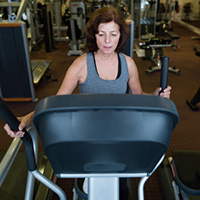 A recent study found that aerobic exercise had a larger positive effect on the brain than stretching alone.1 The volume of the brain increased, according to MRIs. Also, the aerobic exercise group had a significant improvement on executive brain functioning tests. The researchers are hoping to find ways to head off or reduce the impact of Alzheimer’s Disease in seniors.
The study subjects all had mild cognitive impairment (MCI). MCI is a risk
Read More »
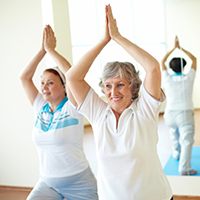 As we age, our chances of developing a serious vision problem increase significantly. More than half of people over the age of 70 years old have an eye condition such as cataracts, glaucoma, and macular degeneration; people with diabetes often develop diabetic retinopathy. These limiting conditions decrease the quality of life. Being a retired senior means having time to enjoy life, read, travel, play golf, enjoy hobbies, and socialize with friends and family. However, participating in these activities requires clear vision.
We can learn to help preserve our vision and to become active
Read More »
 Americans are spending at least 5 hours per day close-up looking at computers, tablets and smartphones.1 However, our eyes were not designed for extended hours of close-up work. In the same way that we need regular physical exercises, we also need eye exercises. We evolved as hunter-gathers, and our eyes are made to scan the landscape. Modern technology has resulted in wide-spread computer eye strain. Symptoms include short-term dry eyes, worsening farsightedness, nearsightedness and astigmatism, eye focusing disorders and poor eye coordination.
Read More »
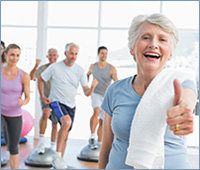 Eye health is important for quality of life. Regular exercise has many significant benefits, including supporting healthy vision. This is especially true for seniors, who are most at risk for eye disease. While you cannot control all risk factors, sedentary behavior is a risk factor you CAN control. Avoiding tobacco and eating a healthy diet are also under your control. Genetics have an influence: a much higher percentage of African Americans have vision loss from glaucoma; non-Hispanic Whites top the charts in Age-Related Macular Degeneration vision loss1.
Exercise reduces oxidative stress, a significant factor in the development of eye
Read More »
 Lifestyle can have a significant impact on the progression of glaucoma. Patients should follow their ophthalmologist’s advice. Also, research has shown that certain behavioral changes can help preserve vision. Natural Eye Care offers these tips.
If you are sedentary and have a glaucoma diagnosis, you can expect strong benefits from becoming active. A meta analysis1 showed that exercise reduced intraocular pressure in patients. The effect was largest on those who were sedentary
Read More »
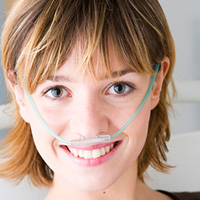 The role of supplemental oxygen in diabetic macular edema was the subject of a pilot study in 2004. Diabetic macular edema or DME is a side-effect of diabetes. DME occurs when retinal blood vessels leak into the macula apparently trying to provide more oxygen to the retina. This leakage causes swelling, which, in turn, causes part of central vision to become blurred.
Natural Eye Care, Inc.
3 Paradies Lane
New Paltz, New York 12561
Phone: 845.475.4158
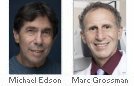
NaturalEyeCare™ started in 1999 to help the public and professionals learn about complementary care in eye disease treatment.
The information and recommendations we offer are based on over 30 years of peer review research and personal clinical experience which guides us in providing a valuable resource to our readers, customers and patients regarding maintaining healthy vision naturally.
We believe that vision health is intimately connected to overall mental, physical and spiritual health. Therefore we encourage people to look at their overall lifestyle and diet as part of keeping healthy vision and reducing the risk of eye disease onset. This includes diet, regular exercise, and management of daily stress. If one has health issues such as high blood pressure, a thyroid imbalance, any autoimmune disease and/or are on medication(s), these possible contributions to eye disease should considered when working with your health care professional.
Please do not hesitate to call us at 845.475.4158 with any questions and concerns.