
 As people age, eye diseases and conditions that commonly occur include macular degeneration, cataracts, vitreous tears/retinal tears and detachments, glaucoma, diabetic retinopathy, dry eyes, and eye floaters.
The question arises as to whether eye disease is inevitable with age. Will all older adults eventually have a “glint” in their eyes after cataracts surgery? More than 50% of people aged 75+ have glaucoma, cataracts, or macular degeneration. Can aging adults do anything to prevent, manage or slow down eye diseases associated with aging?
A large body of research is accumulating that shows the effects of regular eye exercises, good nutrition, and targeted supplementation on preventing and/or managing eye conditions. For instance, peer-reviewed research has shown that the risk of getting macular degeneration can be significantly reduced by taking fish oil and lutein on a daily basis. Vigorous exercise may reduce the incidence of glaucoma. And the effects of antioxidants on preventing cataract and macular degeneration have been the subject of significant research.
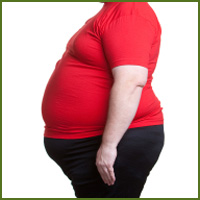 The obesity epidemic may have an impact on the health of the eyes. While scientific studies do not seem to have found a direct link between obesity and eye disease, maintaining a healthy weight supports your overall health and helps prevent diseases that can harm the eyes. Here’s why.
Obesity is a step up from “overweight.” The National Institute of Health (NIH) in the United States, commonly uses Body Mass Index (BMI). This is a ratio of height to weight. Overweight is a BMI of 25-29, and obesity is a BMI of 30 or more. For example, 5′ 7″ person who weighs 160 pounds would have a BMI of 25 (just barely overweight). This same person at 195 pounds would have a BMI of 30 (obese) and at serious risk of disease such as heart disease, cardio-vascular disease, stroke, cancer, diabetes and lower-body joint problems.
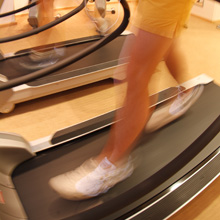 Want to reduce your risk of glaucoma? Stay physically active. A study in the Investigative Ophthalmology & Visual Science Journal showed that higher levels of activity seems to have a beneficial impact on ocular perfusion pressure (OPP). OPP is a crucial risk factor for developing glaucoma.
The study was done on 5,650 adults aged 48-90 in the U.K. It measured the relationship between current OPP and physical activity over time. The subjects filled out lifestyle and health questionnaires. The surveys recorded how much physical activity the subjects got during both work hours and leisure time. They were given tests to measure eye pressure (intraocular pressure — IOP) and blood pressure.
This study showed a 25% reduced risk of low OPP in study participants who had moderate physical exercise approximately 15 years before.
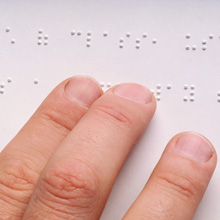 Increase in the delivery of a treatment for neovascular age-related macular degeneration (wet AMD) has resulted in a significant 50% reduction of new cases of blindness in Denmark, according to a study published in the American Journal of Opthamology. Age-related macular degeneration is the most common cause of blindness in the West. Specifically, AMD patients lose reading vision and their ability to drive, resulting in revocation of their drivers’ license.
Wet AMD is the most serious type of macular degeneration. Abnormal blood vessels start to grow in the eye, toward the yellow spot in the middle of the retina called the macular. The macular provides the most visual acuity, as well as perception of color. Wet AMD results in quick and severe loss of vision.
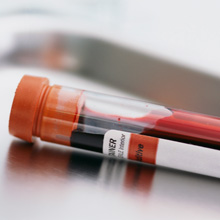 Patients taking statin drugs to lower cholesterol might be more likely to get muscle injuries, especially elderly patients.(1) Side effects and adverse reactions, according to other research, may include increased stroke risk, higher risk of Type II Diabetes, low iron, pancreatic dysfunction, sexual dysfunction, suppressed immune system, muscle pain, and more.
Be aware that increased incidence of cataracts may also be linked with statin drugs. A study(2) suggests that statin drugs are associated with an increased risk of cataracts in both men and women. In the study, cataracts risk went up within 12 months of starting statin drugs, continued while taking the drug, and dropped back to normal
Read More »
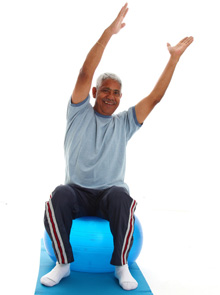 When you are in your 30’s, your skeletal muscle mass will peak. After that, they will reduce slightly in number and size every year. By the time you are in your 50’s, 15% of muscle mass may be lost, and by your 80’s, as much as 30% of muscle mass may be lost.
Obviously, strength training is crucial to strengthen your muscles and increase their size. Being strong and fit helps maintain good health and energy, reduces osteoporosis and cardiovascular disease, burns calories for weight management, improves sleep, cuts cancer risk, and much more!
Everyone should make exercise a priority throughout their lives. However, up to 75% of older Americans do not get enough exercise.(1)
Read More »

The rise of myopia, also known as shortsightedness, has increased significantly in the past 30 years in the United States. Time spent outdoors has dropped off in this time period. Researchers at the National Eye Institute conducted a study of children and teens that shows a possible link between less time spent in outdoor activity and myopia.
In the early 1970’s, 25% of 12 to 54 year olds in the United States had myopia. In 1999-2004, that figure was 42%, a huge increase.
Read More »
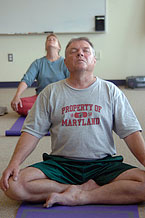
Preliminary research shows that a regular yoga practice can help stroke patients recover more effectively.
A study of 20 stroke survivors of an average age of 66 engaged in twice weekly yoga classes for two months. It was found that the participants balance improved. Researchers also found that a practice of yoga could help prevent potentially dangerous falls.
On the whole, balance scores increased by 17% on the Berg Balance Scale and by 34% on the Fullerton Balance Scale. It is important to not that the average score was upped from 40 to 47 on the Berg Balance Scale, which means that the individuals were no longer on the “high risk” list when it comes to falls.
Read More »
In addition to significantly compromising vision, glaucoma is a disease that also takes an emotional toll, according to a new study in the April issue of the Journal of Advanced Nursing.
This study of 24 Chinese individuals with glaucoma showed that there are many fears associated with the disease including concerns about blindness and how the condition may effect other family members. Many who were on medication, such as eye drops, were found to be self-administering them incorrectly.
Read More »
Natural Eye Care, Inc.
3 Paradies Lane
New Paltz, New York 12561
Phone: 845.475.4158

NaturalEyeCare™ started in 1999 to help the public and professionals learn about complementary care in eye disease treatment.
The information and recommendations we offer are based on over 30 years of peer review research and personal clinical experience which guides us in providing a valuable resource to our readers, customers and patients regarding maintaining healthy vision naturally.
We believe that vision health is intimately connected to overall mental, physical and spiritual health. Therefore we encourage people to look at their overall lifestyle and diet as part of keeping healthy vision and reducing the risk of eye disease onset. This includes diet, regular exercise, and management of daily stress. If one has health issues such as high blood pressure, a thyroid imbalance, any autoimmune disease and/or are on medication(s), these possible contributions to eye disease should considered when working with your health care professional.
Please do not hesitate to call us at 845.475.4158 with any questions and concerns.