
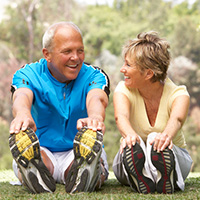
 Middle-aged people and seniors are far more likely to develop Macular Degeneration, glaucoma, cataracts and diabetic retinopathy than those in their youth. It is true that some eye diseases strike the young. These tend to be genetically-based diseases, and they are rare. The incidence of eye diseases in the United States goes up dramatically with age:
Read More »
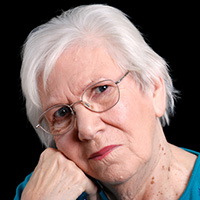 Retinal Vein Occlusion is the blockage of veins that drain blood from the retina in the eye. The eye circulatory system depends on releasing blood back to the heart after it has nourished the retina. When the vein is blocked, hemorrhaging occurs, damaging the retina. It is typically caused by atherosclerosis, a common condition especially in older people that damages the arteries. “Occlusion” means the blockage or closing of a blood vessel.
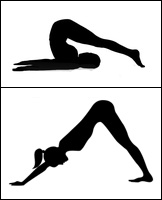 Yoga is generally considered a perfect exercise for overall health; however, head-down positions may be harmful to glaucoma patients. A small study at a yoga studio found that positions that put the head downward increased intraocular pressure. The positions studied were Adho Mukha Svanasana, Uttanasana, Halasana and Viparita Kirani.
Intraocular pressure is associated with glaucoma, a serious and degenerative eye disease. During a standard eye exam, this pressure is often used as a screening.
Read More »
 The benefits of exercise are indisputable.
Exercise has been recognized to have a positive impact on almost every health and vision condition – everything from heart disease to glaucoma, from diabetes to macular degeneration, from depression to cataracts. For those concerned with weight loss getting adequate exercise is more important than diet.
Read More »
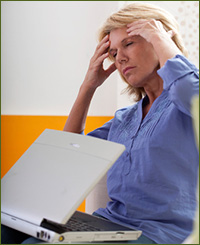 Electronics have become primary obsessions in our personal and work lives. This has lead to nearly everyone becoming susceptible to Computer Vision Syndrome. Symptoms include dry eyes, eye strain, blurred vision, headaches, double vision, difficulty in concentrating, fatigue and/or and head, neck and shoulder pain.
Additionally, heavy computer use has been associated with glaucoma1 Electronics screens emit blue light that can damage the retina, leading to macular degeneration.2 Close-up work is associated with myopia (nearsightedness).3
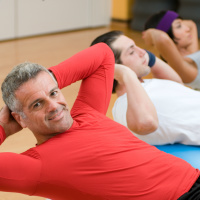 A study in the British Medical Journal has shown that exercise can be as effective a treatment as conventional medication for some conditions. By examining 305 different trials, researchers found that patients that used exercise regularly as treatment rivaled or surpassed patients taking pills for the same conditions when examining their life expectancies.
The study was conducted by researchers at the London School of Economics, Stanford University School of Medicine, and the Harvard Pilgrim Health Care Institute at Harvard Medical School. Researchers scanned thousands of studies comparing exercise and medication and narrowed their analysis down to 305 of them. The cases included nearly 340,000 patients, treating conditions such as stroke rehab, heart disease and heart failure, and pre-diabetes.
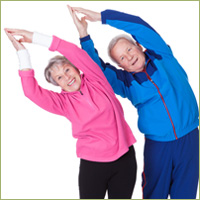 Research shows that simple exercise could be the answer to improving your vision. Exercise is linked to improved retinal health and prevention of common eye diseases. Although exercise in general is considered to be essential to overall health, for the first time a study has linked exercise directly with retinal health. This research could lead to better prevention and treatment of common retinal diseases, including age-related macular degeneration (AMD).
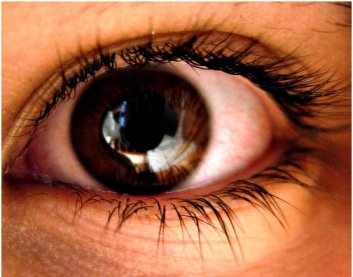
When ophthalmologists look at your eyes, they can see more than you’d anticipate. Not only are they able to see the health of your eyes, but they can see if you have other health issues including high blood pressure, diabetes, high cholesterol and even multiple sclerosis and lupus. A thin white or grey ring around the eye, called a corneal arcus, is one indicator of high cholesterol? in younger patients.
Read More »
 Ask any of the countless people with substandard vision if there was one thing they could change about themselves and the typical response will be 20/20 vision. Betty Ming Liu, like most glasses-wearing individuals, had simply accepted the fuzzy side of life and continual degeneration of her eyes. Betty and her 20/650 vision had begun to additionally require the help of reading glasses to get by. She was less-than-enthused by the prospect of laser eye surgery.
By chance, Betty was introduced to holistic eye doctor Marc Grossman who opened her to the idea of eye exercises that promised to improve her vision. Within the
Read More »
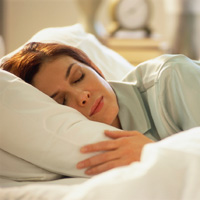 The Food and Drug Administration (FDA) has recommended that the block-buster sleeping pill Ambien (zolpidem) dose be lowered, especially for women, due to negative side-effects. The drug stays in women’s system much longer than in men’s. Too many car accidents the day after taking Ambien have lead to the government agency to halve the recommended dose for women, and re-consider the dose for men.
Natural Eye Care, Inc.
3 Paradies Lane
New Paltz, New York 12561
Phone: 845.475.4158

NaturalEyeCare™ started in 1999 to help the public and professionals learn about complementary care in eye disease treatment.
The information and recommendations we offer are based on over 30 years of peer review research and personal clinical experience which guides us in providing a valuable resource to our readers, customers and patients regarding maintaining healthy vision naturally.
We believe that vision health is intimately connected to overall mental, physical and spiritual health. Therefore we encourage people to look at their overall lifestyle and diet as part of keeping healthy vision and reducing the risk of eye disease onset. This includes diet, regular exercise, and management of daily stress. If one has health issues such as high blood pressure, a thyroid imbalance, any autoimmune disease and/or are on medication(s), these possible contributions to eye disease should considered when working with your health care professional.
Please do not hesitate to call us at 845.475.4158 with any questions and concerns.