
 A cataract is defined as a clouding of the lens of the eye that is usually associated with aging. However, approximately 1 in 250 newborns in the US have a cataract on at least one eye at birth, or develop a cataract soon after they are born. While many cases of congenital cataracts are detected and treated quickly, it is estimated that up to 1/3rd of older children diagnosed with a cataract had it at undetected at birth. Early treatment is crucial for the brain to develop normally, and to prevent lazy eye (amblyopia) and other vision problems.
The reasons for congenital cataracts in newborns may include infection (especially measles during pregnancy), genetics, metabolic problems, inflammation, diabetes, trauma or reactions to drugs. Common tetracycline antibiotics taken during pregnancy can cause cataracts in the developing baby. Older children can get pediatric cataracts for reasons comparable to the ones above; eye injuries such as a blow to the eye are more typically the cause, associated with 40% of pediatric cataracts cases.
 Vitamin D
A recent study in the Proceedings of the National Academy of Sciences found that Vitamin D may have cancer-fighting properties. At the same time, ironically, Vitamin D deficiency is becoming increasing prevalent in the United States due to fear of the harmful effects of sun and poor nutrition.
Excessive sun exposure is a leading cause of skin cancer and cataracts in the eyes. As people slap on sunscreen and cover up to protect themselves from ultra-violet rays, they may be inadvertently missing out on an important nutrient.
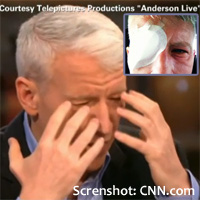 Anderson Cooper, veteran reporter for the news channel CNN, was temporarily blinded by a flash corneal burn from excessive sun exposure while researching a news story in Portugal. He was not wearing sunglasses. The reporter’s eyesight returned after 36 hours.
The host of Anderson Cooper 360 and Anderson Live, Anderson Cooper spent time on a boat on a sunny, windy day without sunglasses. That night, he awoke with eye irritation and burning eye pain. “It [felt] like my eyes [were] on fire, my eye balls.” Then he discovered he was blinded. Cooper sought medical attention.
 A study has found that a type of glaucoma called “low-tension” may be helped using gingko biloba extract, a natural supplement.
At the optometrist’s office, a puff of air is one of the ways patients are screened for glaucoma risk. This test measures intraocular pressure (IOP). When the tension in the eye is high (ocular hypertension), the patient receives further tests for glaucoma. Glaucoma is a progressive eye disease that damages the optic nerve, leading to serious vision loss and blindness.
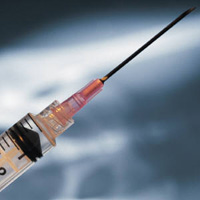 There have not been any reported cases so far of eye infection in eye surgery patients who received medications from the New England Compounding Pharmacy (NECC); however, other types of patients have contracted fungal meningitis. Several NECC products were recalled after patients receiving drug injections for back pain became ill. More than 400 people in 15 states developed fungal infections that have been traced to products from NECC, and more than 29 people have died.
The compounding pharmacy is supposed to ship sterile products that are free of bacteria, fungi, viruses, and contaminants. Investigators found contamination that was sometimes even visible to the naked eye. Compounding pharmacies operate in a legal gray area that includes both state and federal laws. Pharmacies are regulated by state pharmacy boards, but the FDA steps in when a significant situation arises. Sometimes the federal
Read More »
 An observational study on the effects of acupuncture on age related macular degeneration (ARMD) published in a Chinese journal showed significant improvement with acupuncture versus using vitamins A, E and a type of moss.
This was a small study with 84 patients and a total of 90 eyes that had age-related macular degeneration. They were randomly assigned to the acupuncture group or the medication group.
The acupuncture patients all had tiny, solid needles inserted into specific acupuncture points. Acupuncture is an ancient Chinese form of health management that treats patients by puncturing specific points in the body. The theory is that disease is caused by disruptions in “chi” or life force energy. Acupuncture is believed to stimulate the body to unblock the chi and allow life force to flow. In the United States, acupuncturists are licensed by the state.
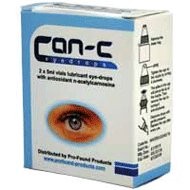 Cataracts is a clouding of the eye lens, and one option for managing this eye disease is Can-C eye drops. The question arises as to the effectiveness Can-C eye drops as a means of managing cataracts. The product’s origin, ingredients, studies and user experiences need to be examined to determine the product’s effectiveness.
Cataracts becomes more common as people age. Colors begin to look less vibrant, and visual acuity decreases. Patients may become more sensitive to glare, have blurred vision, increased nearsightedness, and sometimes double vision in one eye. Cataracts can be caused by excessive exposure to UV radiation (sun and tanning without proper UV protective glasses), diabetes, smoking, and certain medications (especially steroids).
 You may have heard that medical marijuana is sometimes used by glaucoma patients. When most people in the United States think of marijuana, many different images, words, and opinions come to mind. Marijuana, or cannabis, is known for its psychoactive effects and medicinal properties caused by a chemical within the plant called tetrahydrocannabinol, also known as THC. Marijuana is most commonly recognized as a recreational drug and is subject to many legal restrictions ranging from its use, to possession of certain amounts of the plant product.
 Should you take extra Vitamin A if you have Stargardt’s Disease? Vitamin A supplementation is frequently recommended for certain eye diseases (AMD and Retinitis Pigmentosa, for example). This nutrient is crucial for rebuilding photoreceptors cells and proper retinal functioning. However, a study on mice published in “Investigative Ophthalmology and Visual Science” indicated that Stargardt’s Disease patients may be damaged by taking Vitamin A.
An FDA-guided and -supervised study revealed that microcurrent stimulation, also called electrotherapy, resulted in significant vision improvements in 61% of patients suffering from dry macular degeneration. The research showed promise that microcurrent stimulation could also help patients with diabetic retinopathy or retinitis pigmentosa.
Microcurrent stimulation is a therapy designed to alleviate pain, promote the healing of wounds and improve results with transplanted tissues. The FDA has approved its use for these purposes under specific protocols. This therapy is commonly used by rehab specialists, anesthesiologists, orthopedic surgeons, and plastic surgeons.
Natural Eye Care, Inc.
3 Paradies Lane
New Paltz, New York 12561
Phone: 845.475.4158

NaturalEyeCare™ started in 1999 to help the public and professionals learn about complementary care in eye disease treatment.
The information and recommendations we offer are based on over 30 years of peer review research and personal clinical experience which guides us in providing a valuable resource to our readers, customers and patients regarding maintaining healthy vision naturally.
We believe that vision health is intimately connected to overall mental, physical and spiritual health. Therefore we encourage people to look at their overall lifestyle and diet as part of keeping healthy vision and reducing the risk of eye disease onset. This includes diet, regular exercise, and management of daily stress. If one has health issues such as high blood pressure, a thyroid imbalance, any autoimmune disease and/or are on medication(s), these possible contributions to eye disease should considered when working with your health care professional.
Please do not hesitate to call us at 845.475.4158 with any questions and concerns.