
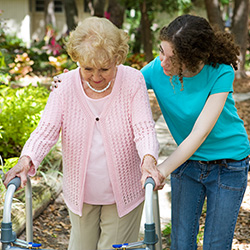
 Maintaining a healthy lifestyle is instrumental in preventing or even putting a stop to a loss of vision due to age. Especially when senior citizens are presented with debilitating eye conditions. They may suffer from depression, anxiety and fear. They notice that they no longer have a sense of balance and face the possibility of falling. Many are unaware that they can circumvent these conditions.
Following the tips will help pave the way toward a better quality of life:
Read More »
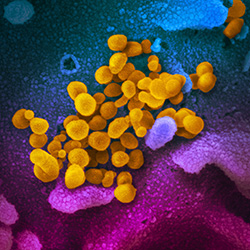 During flu season, what are the best ways to avoid catching a virus?
The Centers for Disease Control tell us to wash our hands frequently and thoroughly. Wash for 20 seconds with soap and running water. Avoid touching your face, eyes , nose or mouth with unwashed hands. If your doctor recommends a flu shot, listen to their advice, particularly relevant for elders and people with immunity concerns
Eat a healthy diet, rich in fruits and vegetables. Various nutrients in food help your immune system fight off pathogens.
Read More »
 Researchers have repeatedly found that regular exercise improves health and immunity. They see reduced risk of cardiovascular, respiratory, and digestive problems, vision conditions, weight management issues, hormonal imbalances, and those who get regular moderate exercise have stronger immune system. Depending on our personal likes and dislikes, this exercise can be moderate or intense, but regular modest exercise has been shown again and again to have a beneficial effect on the immune system.
Read More »
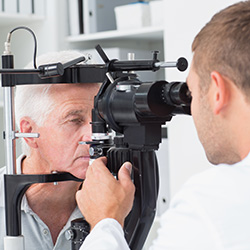 Getting a thorough eye exam has always been about more than reading letters off an eye chart. That is even truer today. One reason: We are harder on our eyes than ever before. Many of us spend hours each day staring and squinting at screens, developing digital eyestrain, and exposing our eyes to potentially damaging blue light.
But the typical tests offered during a standard eye exam may not go far enough to find problems as early as possible. Even a basic dilated eye exam may not be enough.
Read More »
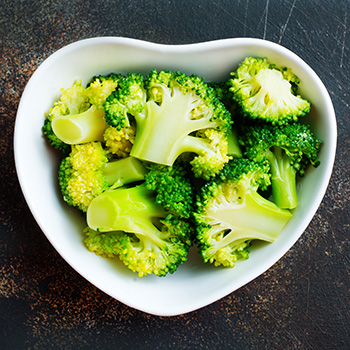 What are phytochemicals?
Plant-based biochemicals protect our bodies with respect to both overall health and wellbeing and longevity. Natural compounds produced by plants, known as phytochemicals, exert a protective and therapeutic effect against pathological changes in body tissue that may be not only a result of disease, but a cause of disease.1
Read More »
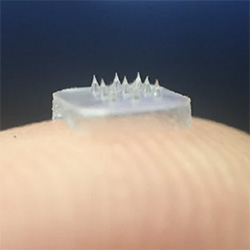 Instead of getting eye injections, patients with serious eye diseases may in the near future be eligible for a contact lens-type patch.1 Injections are often recommended for eye diseases such as Wet (advanced) Age-Related Macular Degeneration, macular edema, and diabetic retinopathy. The new patch is inserted painlessly like a contact lens. It delivers tiny microneedles containing medication. The microneedles are made from natural materials and dissolve over time, gradually releasing medicine. Patients would be more likely to stick with a regimen that does not involve eye injections.
Read More »
Natural Practitioner Magazine published this interview with Dr. Marc Grossman in January 2020.
Read More »
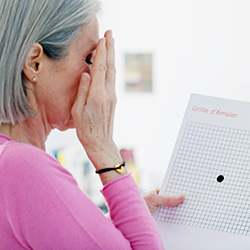 Wet Age-Related Macular Degeneration and Diabetic Retinopathy can lead to vision loss from angiogenesis. Angiogenesis is the growth of unwanted blood vessels in the retina. These excess blood vessels obscure or distort vision and damage the eye. They can result in permanent damage if not treated, typically by injection of EyLea, Avastin, or Lucentis. Macular Degeneration (ARMD) and Diabetic Retinopathy are most prevalent among seniors over age 60. Are there any natural methods to help retard the growth of extra blood vessels in the eye?
Read More »
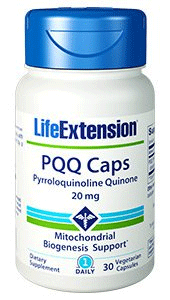 Scientists are learning more about nutrients that impact the cells and brain. Pyrroloquinoline quinone (PQQ) is a nutrient found in certain fruits, vegetables, tea, and eggs. PQQ supplements appear to improve mitochondrial functioning and improve the brain. As people age, the tiny mitochondria inside cells become increasingly damaged. PQQ is a quinone that could prove to be an important anti-aging supplement.
Humans cannot produce their own pyrroloquinoline quinone. You can get some PQQ through your diet. PQQ is found naturally in food such as bananas, cabbage, carrots, celery, egg yolks, fava beans, field mustard, green peppers, kiwi, miso, natto (fermented soybeans), oranges, papayas, parsley, potatoes, spinach, sweet potatoes, tofu, tomatoes, and green teas. Bacteria inside of people may be able to produce some PQQ. However, PQQ supplements provide a steady, predictable dose. We recommend just 10 mg to 20 mg of PQQ supplements per day.
Read More »
 The world is changing. Our concepts of western medicine have shifted over the past 30 years. Today’s public wants a more comprehensive, integrated approach from health care providers.
Complementary, integrated health care is slowly replacing the idea of referring each symptom to a different specialist.
We need to look at the whole person, his or her dietary preferences, exercise regimen, and the types of relationships they are engaged in. Also, we need to examine the particular symptoms that created their condition in the first place.
Read More »
Natural Eye Care, Inc.
3 Paradies Lane
New Paltz, New York 12561
Phone: 845.475.4158

NaturalEyeCare™ started in 1999 to help the public and professionals learn about complementary care in eye disease treatment.
The information and recommendations we offer are based on over 30 years of peer review research and personal clinical experience which guides us in providing a valuable resource to our readers, customers and patients regarding maintaining healthy vision naturally.
We believe that vision health is intimately connected to overall mental, physical and spiritual health. Therefore we encourage people to look at their overall lifestyle and diet as part of keeping healthy vision and reducing the risk of eye disease onset. This includes diet, regular exercise, and management of daily stress. If one has health issues such as high blood pressure, a thyroid imbalance, any autoimmune disease and/or are on medication(s), these possible contributions to eye disease should considered when working with your health care professional.
Please do not hesitate to call us at 845.475.4158 with any questions and concerns.