
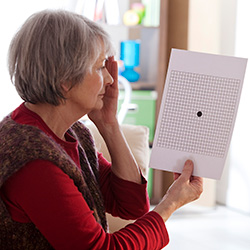
 Researchers have found that certain supplement combinations actually modify how genes and proteins affect the behavior of white blood cells in the retina. They are investigating the reasons why certain supplements are helpful against macular degeneration. The answer may be that compounds in the supplements regulate the white blood cells (macrophage phenotypes).1
Seniors in the early stages of age-related macular degeneration (AMD) can become desperate to slow down the eye disease’s progression. The eye doctor typically suggests quitting smoking, eating a healthy diet, getting exercise, and getting regular eye exams.
 Cataracts are one of the most common eye conditions among seniors. A cataract results in clouding the vision, and eventually causes blindness if not treated. The conventional approach to cataracts is to wait and see if it gets worse. When a cataract is advanced, an eye surgeon usually offers cataract surgery. Cataract surgery uses artificial lenses that correct any clouding due to a cataract. It can correct certain refraction errors at the same time. However, not everyone is a good fit for this treatment. Which nutrients help promote healthy lenses and overall eye health? What does recent research into cataract pharmacotherapy show? And, which combinations of nutrients are the most effective for lens support?
Read More »
 More of us experience computer eye fatigue than ever before. We spend more time on the computer or on our digital devices. Technically, digital eye strain is marked by eye discomfort, digital disturbance such as light flashes, double vision, difficulty in focusing, etc, or headaches and migraines. In the case of any sudden change in your vision it is important to consult your medical professional.
But the generic sort of eye strain that most of us experience is often simply characterized by eye fatigue, stiff neck, sort back, irritability, or headaches. There are a number of factors that contribute:
Read More »
 About Coronaviruses
Corona viruses (of which there are over 100 types) infect birds and mammals with varied degrees to damage to the respiratory and other systems. When these viruses are transmitted to people the consequences are potentially fatal. This is true of the two serious coronaviruses we have seen in the past: severe acute respiratory syndrome (SARS) and Middle East respiratory syndrome (MERS).
Read More »
 Red, itchy, watery eyes are common in the spring, when allergies and hay fever strike. Sometimes we wake in the morning and what we notice most is that our eyes are itchy and sore. This may be due to a combination of seasonal allergen sensitivity and tired eyes from computer eye fatigue.
Why are the eyes affected? What can you do about the effects of allergies on the eyes in the spring? Any why does eye fatigue worsen the feeling of itchy eyes?
Read More »
The hunt is on for effective treatment for COVID-19 (SAR-CoV-2). The New York Times reports that there are over 254 therapies being explored. Medical professionals have, even in these few months, been adapting their treatments as they learn more about the nature of the virus. The fact that COVID-19 can affect people in a wide variety of ways requires almost individually tailored treatments. Furthermore, the symptoms of COVID-19 vary widely, sometimes limited to red eyes (conjunctivitis), painful toes, slight fever, mild cough, or general aches and pains, depending on where in the body the virus lodges or begins its attack, how strong the existing immune system is, and how healthy the individual is before being exposed.
Read More »
 You have heard that our diets have too much sugar. What does this mean? How does sugar affect our health, short-term and long-term? A large body of research shows the detrimental effects of excessive sugar, from tooth decay to diabetes. High-fructose corn syrup is especially villainized. And sugar is even blamed for hurting immunity.
Humans have the teeth of frugivores — fruit eaters. We have a natural “sweet tooth.” However, we have succeeded in maintaining a consistent and varied food supply. And we do not exert ourselves as much as our ancestors. Therefore, modern humans need a modern diet.
Read More »

Researchers have repeatedly found that regular exercise improves health and immunity. They see reduced risk of cardiovascular, respiratory, and digestive problems, vision conditions, weight management issues, hormonal imbalances, and those who get regular moderate exercise have stronger immune system. Depending on our personal likes and dislikes, this exercise can be moderate or intense, but regular modest exercise has been shown again and again to have a beneficial effect on the immune system.
Read More »

When you’re feeling low, some chocolate can often perk you up.
If you are someone who suffers from chronic fatigue syndrome, the flavonoids in chocolate may actually help alleviate your symptoms.
A study published in Nutrition Journal describes how dark chocolate that is rich in polyphenols was more effective in helping subjects manage their chronic fatigue symptoms over eight week periods than those taking “regular” chocolate.1
Read More »
Natural Eye Care, Inc.
3 Paradies Lane
New Paltz, New York 12561
Phone: 845.475.4158

NaturalEyeCare™ started in 1999 to help the public and professionals learn about complementary care in eye disease treatment.
The information and recommendations we offer are based on over 30 years of peer review research and personal clinical experience which guides us in providing a valuable resource to our readers, customers and patients regarding maintaining healthy vision naturally.
We believe that vision health is intimately connected to overall mental, physical and spiritual health. Therefore we encourage people to look at their overall lifestyle and diet as part of keeping healthy vision and reducing the risk of eye disease onset. This includes diet, regular exercise, and management of daily stress. If one has health issues such as high blood pressure, a thyroid imbalance, any autoimmune disease and/or are on medication(s), these possible contributions to eye disease should considered when working with your health care professional.
Please do not hesitate to call us at 845.475.4158 with any questions and concerns.