
 Computer users are concerned about their vision. When we recently searched online for “vision computer screen” the top four searches were:
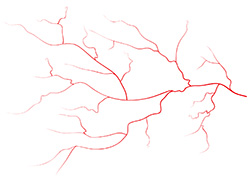 The structures in the back of the eye are supported by a complex array of capillaries and larger blood vessels. One reason why the body may try to grow new blood vessels (referred to as angiogenesis) is if these blood vessels are at all impaired, reducing the body’s ability to deliver blood, oxygen and essential nutrients to the back of the eyes, as well as effectively eliminate normal waste. Another reason may be lack of available essential nutrients for retinal and optic nerve support possibly due to a poor diet, lack of exercise, digestive issues or inflammatory conditions for example.
Read More »
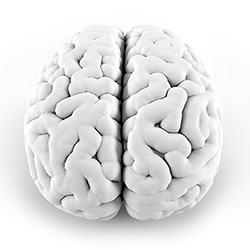
This is the 4th article in our series on the brain, memory, and dementia. This article discusses the blood-brain barrier which protects the brain.
What is the Blood-Brain Barrier?
The blood-brain barrier prevents toxins and microorganisms from crossing from the blood stream into the tissue of the brain. At the same time, beneficial nutrients are capable of crossing this barrier. Generally, integrity of the blood-brain barrier is important and its compromise contributes to a number of neurodegenerative conditions.
 Alzheimer’s disease (AD) is a devastating fatal neurological condition that we’ve all heard or read about or have first-hand experience through our family connection. It is characterized by memory loss and abnormal behavior.
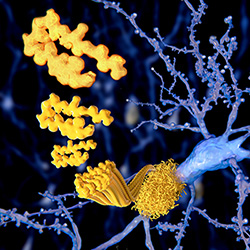
Amyloid beta plaque
This article discusses the role of amyloid beta plaque and the possibility of preventing or slowing its development. Formation of this plaque is the first event in the pathology of Alzheimer’s eventually resulting in nerve cell death.1

We continue our series on brain health with this short discussion of nutrient deficiencies and a number of health issues which can cause symptoms similar to Alzheimer’s Disease. These should be checked for anyone showing signs of dementia. And we should all pay attention to getting a balanced diet with enough of these important nutrients, supplementing if necessary.
Read More »
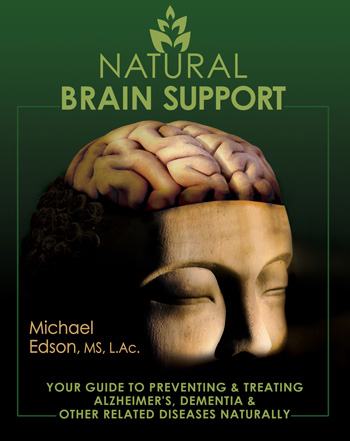 This is the first of a series of articles discussing how to maintain healthy brain function based on my newest book Natural Brain Support: Preventing and Treating Alzheimer’s and Dementia Naturally.
There is a strong connection between eye and brain health, and in fact the optic nerve is brain tissue and the retina was created prenatally from brain cells. Many of the nutrients discussed below are needed for healthy vision but also are found in the brain as well.
An eye doctor can often identify health issues because of observed changes in the retina. An eye doctor can detect hypertension, diabetes, multiple sclerosis, and even Alzheimer’s disease before it gets to the point that the specialists can identify them.
Read More »
 Glutathione is rather amazing – low levels are biomarkers for various conditions and it is a “super antioxidant.”
Low levels of glutathione are linked to cataracts, macular degeneration, glaucoma, and brain neurodegenerative problems. The amount of glutathione in blood plasma is considered an overall indicator of the body’s antioxidant defense system.
Glutathione (GSH) is a super free radical fighter with the capacity to neutralize the full spectrum of free radicals. Normal metabolic activity creates free radicals, they can be destructive. They are missing an electron in their outer orbit and therefore try to steal one from a nearby healthy cell, rendering that cell dysfunctional.
Read More »
 Our bodies are designed to handle stressful situations, referred to as the “flight or fight” mode, wherein when we need to quickly react, the body goes into action and produces hormones that stimulate the adrenal system, raise cortisol levels, and gets our muscles instantly ready to go. Once that situation is resolved, our body has the remarkable ability to return back to homeostasis or normal balance quickly.
But modern-day life may keep one in flight or fight readiness too often. This may be due to ongoing work pressure, relationship and money issues, or the stress related to COVID-19. Chronic stress can, over time, overwork the adrenal system resulting in fatigue and poor circulation. In turn, fatigue and poor circulation limit the ability of the body to deliver essential nutrients to the eyes.

Subtle floating shapes
Floaters are a good name for the small dark shapes that float before our eyes. You might not notice them at all unless you are looking for them. They are common as we age. These spots may look like squiggles, strands, or any of a hundred other shapes. Though they can be annoying, floaters are physiologically harmless to the eyes.
But if you suddenly become aware of floaters, particularly accompanied by bright flashes of light, it may signal a vitreous tear or detachment, or a more serious condition such as a retinal tear or detachment, so you should contact your eye doctor right away.
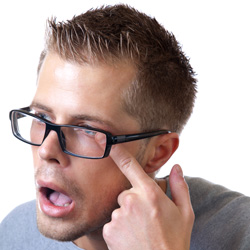 The U.S. Centers for Disease Control and Prevention tells us to avoid touching our eyes, nose, mouth, or anywhere on the face with unwashed hands. This should help prevent us from contracting Coronavirus 19 (COVID-19).
Learn about important updates as scientists learn more about how COVID impacts the eyes.
Natural Eye Care, Inc.
3 Paradies Lane
New Paltz, New York 12561
Phone: 845.475.4158

NaturalEyeCare™ started in 1999 to help the public and professionals learn about complementary care in eye disease treatment.
The information and recommendations we offer are based on over 30 years of peer review research and personal clinical experience which guides us in providing a valuable resource to our readers, customers and patients regarding maintaining healthy vision naturally.
We believe that vision health is intimately connected to overall mental, physical and spiritual health. Therefore we encourage people to look at their overall lifestyle and diet as part of keeping healthy vision and reducing the risk of eye disease onset. This includes diet, regular exercise, and management of daily stress. If one has health issues such as high blood pressure, a thyroid imbalance, any autoimmune disease and/or are on medication(s), these possible contributions to eye disease should considered when working with your health care professional.
Please do not hesitate to call us at 845.475.4158 with any questions and concerns.