
 Poor night vision or night blindness can be a life-limiting symptom. Night blindness can be caused by either an inherited or acquired reason. Poor night vision disorders (night blindness, impaired dark adaptation, etc.) include the experience of reduced vision in dimly lit environments, including at night. They include partial or complete impairment in ability of the eyes to adapt from brightness to darkness. It is not a disease in itself, but rather a symptom of an underlying problem, usually located in the retina.
Read More »
 Natural Treatments for the Eyelid
For mild cases of chalazion, styes, pterygium, and blepharitis, the following are ways to naturally treat these conditions. If these issues are persistent or affecting your vision, be sure to get seen by your eye doctor.
Note that our EyeEase Formula 2 fl oz is back in stock.
Read More »
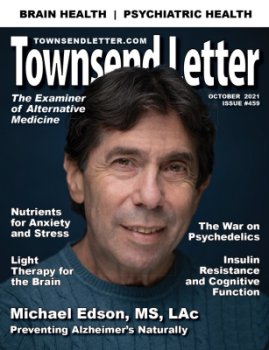 The latest Townsend Letter features co-owner of naturaleyecare.com Michael Edson, L.Ac., MS and his article, Underlying Causes and Natural Treatments for Alzheimer’s and Dementia.
The publisher’s discussion of Michael’s article also mentions that studies report that the Tdap (Tetanus, diphtheria, and pertussis) vaccination reduces the risk of dementia by 42% with similar results for flu and pneumonia vaccines. Both results may be due to reduced overall inflammation in the body.
 The most common form of glaucoma is “open-angle” glaucoma, where the eye pressure or IOP remains higher than normal (typically 8-20 mm Hg). Eye doctors also look at changes in peripheral field typically measured with a visual fields test and any changes in the optic nerve such as optic nerve thinning or increased cupping. Ocular hypertension is diagnosed when IOP is higher than normal but there as no signs of glaucoma. In addition glaucoma can occur without high IOP, “normal or low tension glaucoma.”
Read More »
 Food for the Brain
Eating a healthy diet is one of the critical factors in helping both maintain good brain, eye and overall health. Also, the way we eat affects our digestion and how well we are able to breakdown and absorb the essential nutrients in the food we take in. Here are some basic recommendations.
Read More »
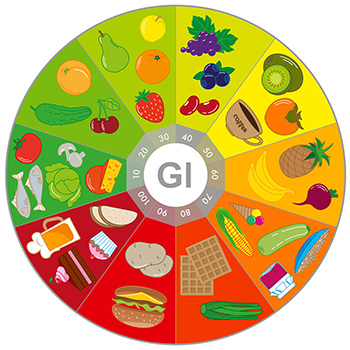
The Glycemic Index represents the relative rise in the blood glucose level two hours after consuming food. It is a system that ranks foods on a scale from 1 to 100 based on their effect on blood-sugar levels.
Read More »
 Mesozeaxanthin, less well-known than lutein and zeaxanthin, is the most powerful antioxidant of the threesome, but the combined trio presents the most potent protection for the eye than any of the three carotenoids alone.1 Out of all of the roughly 7000 carotenoids known in nature, it is these three that are found in great concentrations in the macula, the key part of the retina, responsible for central vision.
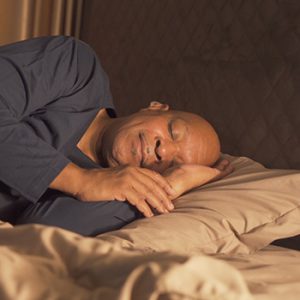 Melatonin is a hormone primarily released by the pineal gland at night, and has long been associated with control of the sleep–wake cycle. It is typically taken at night before bedtime as a supplement. In addition to melatonin’s application as a sleep aid, this supplement can also be used for lowering eye pressure — such as in cases of open angle glaucoma or glaucoma suspects. Research shows melatonin may also protect the eye’s macula by supporting the functioning of the mitochondria, the tiny “batteries” in each cell. Alzheimer’s disease appears to be linked to poor quality sleep and melatonin production; therefore, melatonin may prove to be a useful supplement and research is underway. Keep reading for details plus information about supplements available on this website.
Read More »
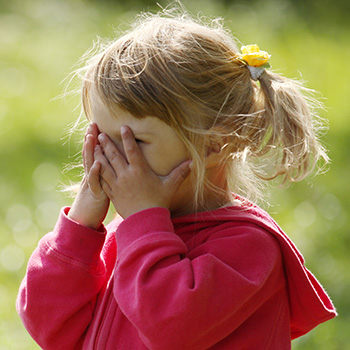 Photophobia literally means “fear of light,” but it just means that you are overly sensitive to light. Light sensitivity might be temporary, but it can be an indicator or symptom of another problem.
People with photophobia experience pain, tearing, and sometimes headaches especially when they are out in bright light too long. A common summer example is too much light from the sun plus reflection off water when we are out in a boat. You just want to close your eye from so much light, and later in the day or evening you may have a headache.
Read More »
 What is the optic nerve and what does it do?
The optic nerve is a bundle of nerve fibers that serves as the communication cable between your eyes and your brain. The nerve fibers have a special coating called myelin.
Natural Eye Care, Inc.
3 Paradies Lane
New Paltz, New York 12561
Phone: 845.475.4158

NaturalEyeCare™ started in 1999 to help the public and professionals learn about complementary care in eye disease treatment.
The information and recommendations we offer are based on over 30 years of peer review research and personal clinical experience which guides us in providing a valuable resource to our readers, customers and patients regarding maintaining healthy vision naturally.
We believe that vision health is intimately connected to overall mental, physical and spiritual health. Therefore we encourage people to look at their overall lifestyle and diet as part of keeping healthy vision and reducing the risk of eye disease onset. This includes diet, regular exercise, and management of daily stress. If one has health issues such as high blood pressure, a thyroid imbalance, any autoimmune disease and/or are on medication(s), these possible contributions to eye disease should considered when working with your health care professional.
Please do not hesitate to call us at 845.475.4158 with any questions and concerns.