
 Have you ever noticed specks or clouds in your field of vision? They are most likely eye floaters. Floaters can look like cobwebs, blobs, dots, or little insects that float around. Eye floaters can be semi-transparent or darker. If you have them, they are more noticeable in certain lighting conditions, such as bright sunlight. You might not notice them at all unless you are looking for them.
Read More »
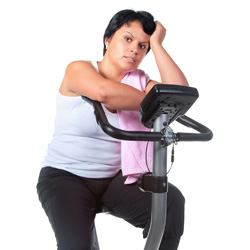 A study published in the February 2019 issue of Aging Cell indicates that metformin may reduce the effectiveness of exercise. Metformin is a drug that has been approved for people with Type 2 diabetes to help control blood sugar. However, the drug is also used by healthy people for its anti-aging properties. The researchers are concerned about off-label use of this drug.
Metformin is a popular drug worldwide for those who have Type 2 diabetes. This medication helps improve their blood-sugar control and sensitivity to insulin.
Read More »
 Parkinson’s disease is a multi-neurological disease. Currently, most Parkinson’s treatments focus on increasing dopamine production and reducing motor symptoms and tremors through medication. However, this disease has many causative or contributing factors that cause changes in healthy brain function. Many of these factors are also relevant for dementia, Alzheimer’s, Huntington’s, and Wilson’s diseases as well. Which factors impact brain functioning and the development of brain disease? Are there natural approaches to preventing and slowing the progress of such devastating diseases? This article offers a brief overview, based on the new book, Natural Parkinson’s Support: Your Guide to Preventing and Managing Parkinson’s.
Read More »
 Researchers are finding that food and supplements containing nattokinase may reverse atherosclerosis. Current treatments for hardening of the arteries slow down the progression of heart disease. Effectively reversing atherosclerotic lesions would be a dream come true for drug manufacturers. Nattokinase is the most active ingredient in natto. Natto is a traditional Japanese food made from fermented soybeans. Could we increase our longevity by consuming natto or nattokinase supplements?
Read More »
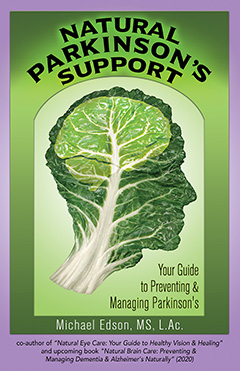 Parkinson’s Disease is a multi-faceted neurological disease that appears to result from breakdowns in aspects of healthy body function. How can you support Parkinson’s naturally? Can you prevent this disease? Find out by ordering Michael Edson’s new book, “Natural Parkinson’s Support: Your Guide to Preventing and Managing Parkinson’s.”
This 141-page book is a self-empowerment guide. Learn specific ways to help improve brain function. Find out how diet, exercise, targeted nutrients and herbs can help manage Parkinson’s Disease. Read about essential oils and alternative modalities such as Traditional Chinese Medicine, Ayurveda, Light Therapy and intravenous Glutathione.
“Natural Parkinson’s Support: Your Guide to Preventing and Managing Parkinson’s Disease” includes 620-plus peer review research studies and discusses over 50 targeted nutrients.
Read More »
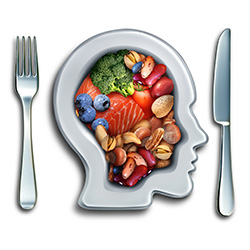 Brain health is especially important in seniors. Seniors are susceptible to dementia, Alzheimer’s disease, memory problems, and cognitive decline. Which foods boost brain power the most? At Natural Eye Care, we have picked eleven common foods that have brain-saving properties. Scientists have been studying the nutrients in foods for decades. They have isolated specific nutrients that cross the blood-brain barrier. These types of nutrients get direct access to the brain and even the retina. The retina is made from neural tissue. Researchers find that many of the nutrients helpful for the brain also stave off eye diseases such as macular degeneration and glaucoma.
Try adding some of these foods to your regular diet. Seniors need fewer calories than younger folks. Therefore, replace “junk food” like cookies, candy, and chips with these brain-boosters.
Read More »
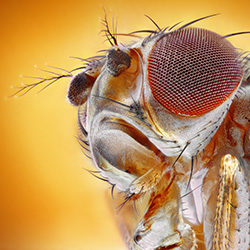 Findings from a recent study suggest that blue light, the same light emitted from smartphones and fluorescent light bulbs, causes brain damage and premature aging in fruit flies.
Why would research on fruit flies be important for human brains? Surprisingly, many of the genes of fruit flies are the same as the genes in humans, and studies on fruit flies often reveal information valuable for human health. Fruit flies’ life cycle is short so scientists can see aging patterns.
As published in the journal Aging and Mechanisms of Disease, researchers at Oregon State University conducted an experiment where they subjected adult fruit flies to blue light. The targeted group of adult flies was exposed to twelve hours of blue light, followed by twelve hours of darkness. They then compared these flies to the control group. Those flies were kept in total darkness for twenty-four hours or bathed in light where blue wavelengths were blocked.
Read More »
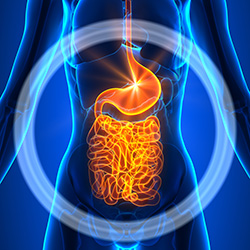 Seniors often struggle with some form of indigestion: bloating and gas. What can you do to prevent indigestion? Could digestive enzymes help? Digestive issues can stop you from absorbing of key nutrients. Nutrition is especially important for seniors’ eye health. Read on to find out more about digestive enzymes.
Digestive enzymes help break down food in the digestive tract. As we grow older, our body produces fewer of these enzymes. Undigested food passes into the colon, where it causes bloating, gas, diarrhea, and cramping. Lack of digestive enzymes makes seniors vulnerable to malnutrition.
Read More »
 Stem cells are undifferentiated cells that can grow into any type of cell. In the future, stem cells may be used to make cells and tissues to treat many diseases. The adult body naturally contains some stem cells in the brain, blood vessels, bone marrow, skeletal muscle, teeth, skin, heart, gut, liver, and other organs and tissues. These cells are crucial for self-repair. Natural stem cells appear to lay dormant until they are needed to fight damage or diseases.
Natural Eye Care has prepared a special Stem Cell Support Package containing two supplements: Stem Xcell Pro and Royal Jelly.
Natural Eye Care, Inc.
3 Paradies Lane
New Paltz, New York 12561
Phone: 845.475.4158
NaturalEyeCare™ started in 1999 to help the public and professionals learn about complementary care in eye disease treatment.
The information and recommendations we offer are based on over 30 years of peer review research and personal clinical experience which guides us in providing a valuable resource to our readers, customers and patients regarding maintaining healthy vision naturally.
We believe that vision health is intimately connected to overall mental, physical and spiritual health. Therefore we encourage people to look at their overall lifestyle and diet as part of keeping healthy vision and reducing the risk of eye disease onset. This includes diet, regular exercise, and management of daily stress. If one has health issues such as high blood pressure, a thyroid imbalance, any autoimmune disease and/or are on medication(s), these possible contributions to eye disease should considered when working with your health care professional.
Please do not hesitate to call us at 845.475.4158 with any questions and concerns.