
Th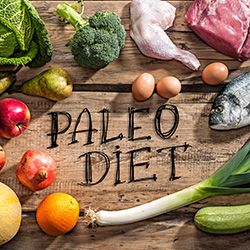 e Paleo Diet or “Caveman Diet” is trendy, but what effect could it have on the eyes? The idea is to eat like hunter-gatherers in the Stone Age. These early humans had no agriculture–and no processed foods. Nearly devoid of grains and dairy products, this diet focuses on meat, fruit, nuts, seeds, and vegetables.
Why the Paleo Diet?
The discordance hypothesis holds that the invention of agriculture resulted in a diet that did not match our DNA. Did we evolve to eat large amounts of grains and dairy products? Farming is only 10,000 years old, but our Stone Age ancestors lived 2.5 million years before this.
The Paleo Diet is used for weight loss, weight management, and overall health.
Modern Paleo Diet
On the one hand, today’s Paleolithic has plenty of vegetables, including sea vegetables. It also has a limited amount of legumes, nuts, and seeds. Some of the foods are eaten raw, preserving precious vitamins. This diet could be very healthy.
However, the diet has a great deal of meat. Saturated fat can lead to heart disease. The foods are expensive: all-natural, grass-fed, wild, or organic. The food is prepared freshly. Any grains should be soaked and sprouted. Being consistent with this diet requires time, money, and home preparation.
Paleo Diet and the Eyes
Fruits and vegetables provide antioxidants, crucial to good vision. This diet has about three times as many vegetables and fruits than the standard Western diet. Olive oil and walnut oil are good for the eyes. Fish contains omega-3 fatty acids that help prevent eye disease.
Unfortunately, this diet may be low in:
- Calcium. No dairy products. High-calcium vegetables must be eaten in larger quantities than most would normally eat.
- Minerals. Eating bone marrow and organ meats can help.
- Eye-critical carotenoids such as lutein and zeaxanthin.
- Vitamin D, important for processing calcium and maintaining health. We can manufacture our own Vitamin D. However, winter is too cold to get twenty minutes of sun exposure in shorts and short sleeves per day.
Be careful where you get meat. Wild animals can carry disease.
Before You Change Your Diet
The average expectancy of our Paleolithic ancestors was about 33-40 years. We do not know how much their diet affected their longevity. Therefore, work with your doctor before making any dietary changes. And be sure to protect your eyes with proper nutrition.
