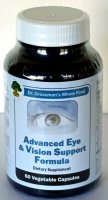
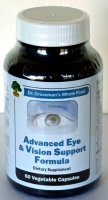
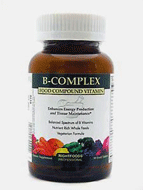
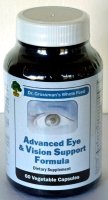
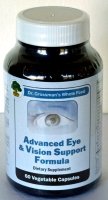
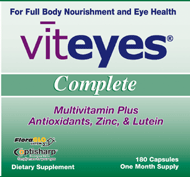
We generally suggest that if you supplement with vitamin A, you take it as betacarotene or as a combination of Vitamin A Palmitate and betacarotene (readily convertible to Vitamin A as needed).
Foods: Orange and yellow vegetables, including carrots, and sweet potatoes, spinach, asparagus, butternut squash, bok choy, kale, cantaloupe, mangos and apricots.
Easily absorbable, B2 is essential for many cellular processes and energy production in the body. It supports light reception in the retina, and is required for synthesis of glutathione. Deficiencies can cause tired or sore eyes, light sensitivity, and a number of eye diseases.
Foods: Beans, brewer’s yeast, whole grains, wheat germ, almonds, mushrooms, milk, cheese, some organ meats.
Folic acid (folacin, folate) converts to vitamin B9 in the liver and is critical for many functions such as repairing DNA, and supporting healthy red blood cells. It supports cell growth; the body’s need increases for pregnant women whose body’s must support growth of the fetus. Folic acid is water soluble, meaning that it becomes depleted rapidly and must be replenished daily. It also helps keep homocysteine levels low1 protecting against heart disease and high cholesterol.
Foods: Green leafy vegetables, and broccoli, asparagus, sunflower seeds, the white part of orange peels. Processed foods are often fortified with folic acid.
Vitamin B6 (Pyridoxine) is another water soluble vitamin that leaves the body rapidly. It helps enzymes, especially those that are part of metabolism, including synthesis of amino acids (helps transform homocysteine into cysteine, neurotransmitters and red blood cells). Most people with macular degeneration are deficient in B6, and there is a high risk of deficiency in people with rheumatoid arthritis and type I diabetes. Researchers have reported that the greater the deficiency in folic acid the greater the severity of diabetic eye disease.
Foods: Whole grains, vegetables, nuts, bananas, avocados, brewer’s yeast, carrots, sunflower seeds. It is also found in meats but rapidly deteriorates when cooked, frozen or canned. It is more stable in plant sources.
The body builds up large reserves of vitamin B12 over time, and so people who lack B12 in their diets may not experience the serious symptoms of B12 deficiency for many years. It is critical to proper functioning of the brain and nerve cells. People on vegan diets must supplement with B12. Supplementation appears to reduce deterioration of eyesight in glaucoma patients by supporting myelin sheath stability (the fatty layer surrounding the nerve cells in the eye).
Note: Methylcobalamin is the natural occurring B12 in nature, and therefore easily absorbed and utilized by the body. In general, methylcobalamin is used primarily in your liver, brain and nervous system. This is the only form of Vitamin B12 one should supplement with. The Cyanocobalamin form of B12 (the most common form of B12 used in Vitamin formulas) is completely synthetic and unlikely to be found anywhere in nature. It also contains trace amounts of cyanide which, although not considered toxic in the amounts taken in, still is a toxin that has to be eliminated from the body.
Vitamin C (ascorbate, ascorbic acid) acts as an antioxidant and is an essential nutrient for enzyme processes and in the healing of injuries. It helps fight free radicals, supports healthy blood vessels and fine capillaries, and acts as a ultraviolet light filter within the eye. The second highest concentration of Vitamin C in the body is found in the eye, topping only the adrenal glands. High levels reduce cardiovascular disease and support healthy vision.
Foods: (in this order) Rose hips, red pepper, chili pepper, black current, parsley, kiwi, broccoli, brussels sprouts, other berries, papayas, orange, kale, lemon, melons, cauliflower, other citrus, other fruits and vegetables.
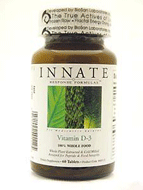
Vitamin D is a fat soluble nutrient that supports the immune system. The D3 form is the most readily absorbed. It assists in absorbing calcium and phosphate. The body is able to synthesize it from sunshine, but especially in the wintertime, the amount of sunlight exposure is inadequate to produce enough Vitamin D. Low blood levels of Vitamin D are associated with mortality. Providing D3 (not D2) to older women appears to reduce early mortality risk.
Vitamin D supplementation has also been found to be helpful for obesity in teens and muscle function.
Vitamin E has antioxidant functions and its use in preventative medicine is quite controversial. It scavenges free radicals, helps regulate enzyme activity, plays a role in gene expression, and helps in neurological functions. It appears to help lower eye pressure in glaucoma.
Foods: (in order) Wheat germ, nuts and nut oils, seeds and seed oils, leafy dark green vegetables, avocado, asparagus, kiwi, broccoli, pumpkin, sweet potato, mangos, tomatoes, papaya.
Note: Vitamin E has blood thinning qualities, so check with your health care provider if you take blood thinning medications; also check with your doctor for dosage needs if you are diabetics as it may effect insulin levels.
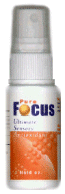
Pure Focus Sublingual liquid formula for vision health.
Footnotes:
1. Weinstein, SJ et al. (2003). “Null Association Between Prostate Cancer and Serum Folate, Vitamin B6, Vitamin B12, and Homocysteine” (PDF). Cancer Epidemiology, Biomarkers, & Prevention 12 (11): 1271-1272