
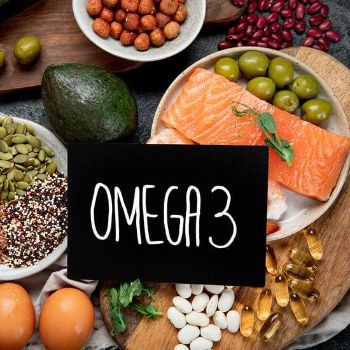
 The standard Western diet, with many processed foods, white grains, fats, sugars, preservatives, and flavorings lacks essential nutrients to support the retina. These non-beneficial components aggravate inflammation in the body – an underlying, and sometimes a direct cause of illness, premature aging, and cellular degeneration.
Essential nutrients include a wide range of amino acids, minerals, vitamins, and vitamin-like nutrients. Among them, a star component of good health and good vision, are the omega-3 fatty acids.
Read More »
 Did you know that proper nutrition and exercise can help prevent diabetic retinopathy?1 Diabetic retinopathy (DR) is a potentially blinding complication of diabetes that damages the eye’s retina; it is a leading cause of vision loss in the world. About 10% of Americans have diabetes. One in three people with diabetes has symptoms of diabetic retinopathy. Of these, a further one-third have vision-threatening DR, including diabetic macular edema. And yet, the condition can potentially be preventable.
Read More »
 Allergy season is once again upon us, causing many people a great deal of discomfort, including eye irritation and redness. According to conservative estimates, more than one in five Americans has allergies, and the number rises every year.
And to compound the problem, researchers have noted that due to climate change, allergy season will be longer in the upper latitude of North America.
Read More »
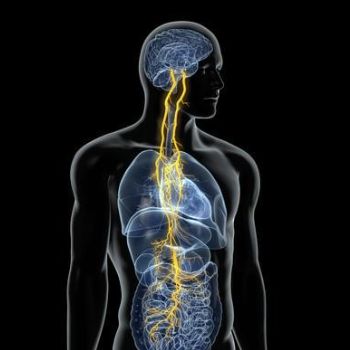 “Mind-body connection”? It is the link between our emotional/mental and physical selves. The link becomes evident as you learn about gut-brain access and the function of the vagus nerve.
Through two-way communication with the brain via the nervous system, endocrine system, and immune system, the gut and central nervous system form a gut-brain axis. They communicate with each other constantly, in both sickness and health.1 The gastrointestinal tract has its own nervous system that includes neurotransmitters, neurons, and electrical signals. Called the enteric nervous system, it is often referred to as the second brain. Researchers have concluded that mechanisms that degenerate the neurons in the brain also degenerate neurons in the enteric nervous system.2 For example, exercise stimulates gut motility. If the vagus nerve is impaired, as in animal models, the gut has limited motility and nutrient absorption is hindered.3
Read More »

A growing body of evidence continues to show that the microvasculature in the retina may be a reliable indicator of the overall health of the body’s circulatory system and brain. Changes in the eye accompany aging and also reflect other health conditions and various age-related diseases include: age-related macular degeneration (AMD), diabetic retinopathy, hypertension, multiple sclerosis, Parkinson’s, AIDS, and even Alzheimer’s disease.
Read More »
 Myopia on the Rise
Lifestyle changes resulting in reduced outdoor activities coupled with rapid urbanization have been associated with a huge increase in nearsightedness (myopia) across many parts of the world. Indoor activities include concentrated near-work and digital device use which results in myopia.1
Read More »
 Understanding your personality is one key to understanding your vision strengths and weaknesses.
Traditional Chinese Medicine (TCM) divides humanity into five types, based on the five elements:
Iritis, the most common form of uveitis, is more prevalent than most people realize. What are the symptoms of this eye condition? What can you do to prevent and manage all types of uveitis? When does uveitis signal an underlying condition?
Uveitis is an inflammation of the uvea. The uvea is made up of the iris, the colored part of the eye; the ciliary body, which makes the fluid that fills the eye and flexes the eye lens; and the choroid, the layer beneath the retina.
Read More »
 Did you know that untreated high blood pressure increases the risk, not only of heart attacks and strokes, but eye conditions such as advanced macular degeneration, glaucoma, and macular edema?
Studies support a target blood pressure for most people of 120/80 mm Hg, with an optimal level of 115/75 mm Hg for many people.1
Read More »
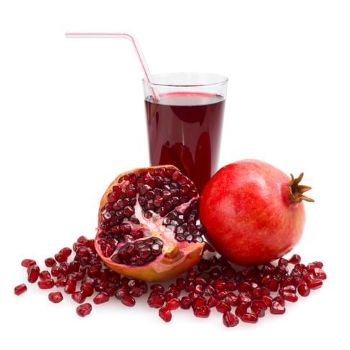 The food you eat supports your body, your eyes, and your brain. And some foods, containing phytonutrients, enzymes, and vitamin and vitamin-like nutrients, are especially helpful. A common feature of these foods is that they contain a wealth of antioxidants.
The most powerful way to get these nutrients is through juicing. In the prevention section of our website, we discuss our favorite juicing recipes by eye condition, as well as the benefits of juicing.
Read More »
Natural Eye Care, Inc.
3 Paradies Lane
New Paltz, New York 12561
Phone: 845.475.4158

NaturalEyeCare™ started in 1999 to help the public and professionals learn about complementary care in eye disease treatment.
The information and recommendations we offer are based on over 30 years of peer review research and personal clinical experience which guides us in providing a valuable resource to our readers, customers and patients regarding maintaining healthy vision naturally.
We believe that vision health is intimately connected to overall mental, physical and spiritual health. Therefore we encourage people to look at their overall lifestyle and diet as part of keeping healthy vision and reducing the risk of eye disease onset. This includes diet, regular exercise, and management of daily stress. If one has health issues such as high blood pressure, a thyroid imbalance, any autoimmune disease and/or are on medication(s), these possible contributions to eye disease should considered when working with your health care professional.
Please do not hesitate to call us at 845.475.4158 with any questions and concerns.