
Your Eyes Benefit from Lutein, Zeaxanthin, and Meso-zeaxanthin
 Lutein, zeaxanthin, and meso-zeaxanthin are potent antioxidants found in green leafy vegetables, eggs, corn and even chocolate. They have a profound effect on preserving healthy vision, brain function, the immune and cardiovascular systems.
New research is focusing less on the well-established understanding of local benefit from nutrients, e.g. lutein for macular degeneration or cataract, and more on its systemic benefits affecting the immune system, the brain and cognitive function, the eye, cancer, and cardiovascular health.1 In addition, new research is focused on the “why” of the benefit of these carotenoids.
Read More »
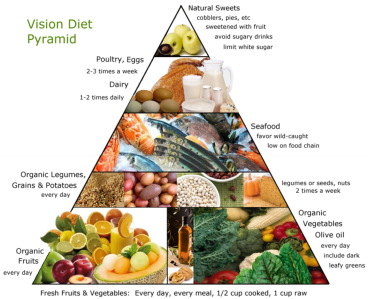 Diet for Better Vision and Overall Health
The standard Western diet tends to lack essential phytonutrients that support the health of the retina, as well as other nutrients such as adequate amounts of omega-3 fatty acids and a wide range of amino acids, minerals, vitamins, and vitamin-like nutrients. The standard diet features processed foods, non-whole grains, fats, sugars, and some types of meat that may aggravate inflammation in the body. Inflammation is an underlying cause, or sometimes a direct cause, of many health issues, such as arthritis. Inflammation also harms vision health.
We recommend an anti-inflammation diet based on a combination of the Mediterranean Diet and the Alkalizing Diet.
Read More »
 Common sense lifestyle habits empower you to take charge of your health. Enjoying a healthy diet high in fresh vegetables, fruits, and low in sugars and fats, coupled with daily exercise and adequate rest are the foundations of good vision and good health.
 The relationship between health, longevity, emotions, and aging is of enormous interest these days. With the fast past of life, technological advances, and changes in how humans communicate, the pressure is on.
There is an enormous body of research showing that our emotional state directly affects our health and longevity.
Younger and older adults experience emotions differently. As we age, we are less likely to link “interoceptive sensations,” such as heart pounding, goosebumps, or muscle tension, with emotions such as anger or fear. This effect is specific to the physical effects of various emotions rather than situations or behaviors (such as almost having an accident or being alone). These results suggest that researchers investigating the relationship between health and emotion need to carefully consider how they measure and assess emotions, and symptoms self-reported by patients.1
Read More »

Remaining energetic and healthy is generally a goal for seniors. In this article, we will look at one of the factors that cause accelerated aging — senescent cells. Damaged cells cause visible signs of aging: liver spots, gray hair, and wrinkles. Disease, injury, and other stress factors harm cells throughout our body. Increased free radical activity contributes to accelerated aging.
Ideally, the damaged cells are removed by our immune system through a process called apoptosis. Damaged cells die, are eliminated, and are replaced by new cells. About 1% of all of our cells are replaced daily — billions of cells.1
Read More »
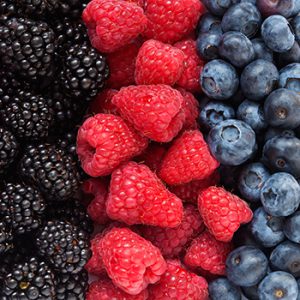
Did you know you can help your body create and maintain healthy levels of antioxidants?
Our body is under constant stress due to the creation of free radicals. Oxidative stress, resulting from the presence of free radicals, is implicated directly or indirectly in many vision and health conditions. Some researchers consider oxidative stress to be the root of all (non-genetic driven) health conditions. With respect to vision, it is a factor in deterioration of the macula,1 the cornea,2 the photoreceptors,3 retinal microcapillaries,4 and the optic nerve.5 Even for those prone to genetic diseases, free radicals can significantly worsen health conditions.
Read More »
 What is CoQ10?
Co-enzyme Q10 is an essential nutrient and antioxidant found in every cell in the body. It supports and promotes mitochondrial function essential for cellular energy. It is critical for eye, brain, and heart health. Health conditions like heart disease, brain disorders, diabetes, and cancer have been linked to low levels of CoQ10.1 The highest concentrations of COQ10 are found in organs with the greatest energy demands, such as the heart, kidneys, lungs, and liver.2 It is present in large quantities in the retina and the brain.3 4
CoQ10 is essential because it supports mitochondria processes. Mitochondria are the cellular energy producers that support all cellular activity. When CoQ10 is depleted or deficient, cells throughout the body are deprived of a fundamental need. Other nutrients such as acetyl-l-carnitine, omega-3 fatty acids, vitamin E, PQQ, and alpha-lipoic acid enhance CoQ10 functioning.
Read More »
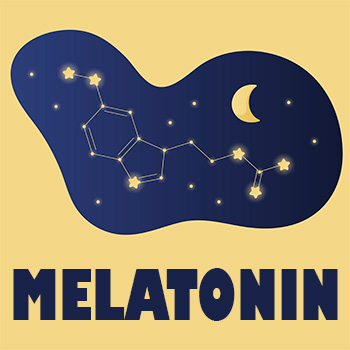 The body produces the hormone melatonin in several places, mostly in the pineal gland and the eyes. It is also produced in the gastrointestinal tract, bone marrow, skin, and white blood cells known as lymphocytes. Melatonin coordinates circadian rhythms and helps induce sleep. Research suggests the decline in melatonin levels that occurs during aging contributes to insomnia and other aging-associated conditions.
Melatonin does more than assist in balancing our circadian rhythms. New research substantiates that it helps our vision.
Read More »
 Use Ghee Instead of Butter
Ghee has long been a staple in Indian cuisine and is quite popular in US cooking.
Ghee is a type of clarified butter. It’s more concentrated in fat than butter, as its water and milk solids have been removed. Because there are no milk solids, it does not have to be refrigerated. Ghee stays solid at room temperature and does not go rancid.
Read More »
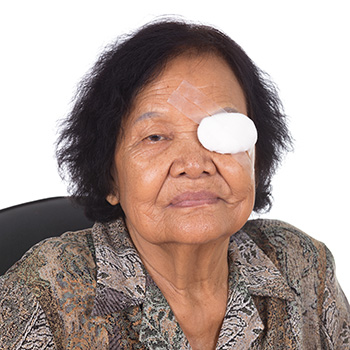 The cornea is in front of the lens. It is a clear layer, seeming to lack substance. However, it is comprised of multiple layers and groups of cells and proteins which are highly organized.
Unlike other parts of the body, the cornea does not contain any blood vessels to nourish or protect the tissue against infection. Instead, the cornea receives its nourishment from tears and aqueous humor, a fluid in the front portion of the eye that fills the chamber between the cornea and the lens. The cornea must remain transparent to refract light properly and enable clear vision. The presence of even the tiniest blood vessels can interfere with this process. To see well, all layers of the cornea must be free of any cloudy or opaque areas.
Read More »
Natural Eye Care, Inc.
3 Paradies Lane
New Paltz, New York 12561
Phone: 845.475.4158

NaturalEyeCare™ started in 1999 to help the public and professionals learn about complementary care in eye disease treatment.
The information and recommendations we offer are based on over 30 years of peer review research and personal clinical experience which guides us in providing a valuable resource to our readers, customers and patients regarding maintaining healthy vision naturally.
We believe that vision health is intimately connected to overall mental, physical and spiritual health. Therefore we encourage people to look at their overall lifestyle and diet as part of keeping healthy vision and reducing the risk of eye disease onset. This includes diet, regular exercise, and management of daily stress. If one has health issues such as high blood pressure, a thyroid imbalance, any autoimmune disease and/or are on medication(s), these possible contributions to eye disease should considered when working with your health care professional.
Please do not hesitate to call us at 845.475.4158 with any questions and concerns.