
 A sweet taste with zero calories sounds tempting, but what are the dangers of artificial sweeteners? What does the research on zero-calorie artificial sweeteners show? Too much sugar and high-fructose corn syrup can damage your health. Artificial sweeteners sound like an easy alternative. How can you tell the difference between artificial and natural low-calorie sweeteners? And, how can you get that sweet taste without risking your health?
Read More »
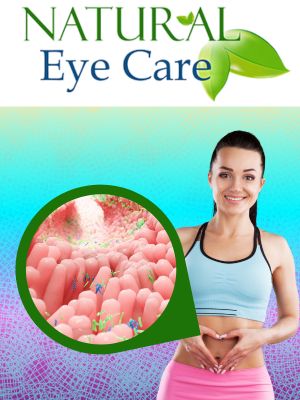 The digestive tract is filled with over 100 trillion microorganisms, many of which are needed for gut health — and good health.1 The gut flora, as they are called, has a similar function to that of other organs in the body.2 The intestinal microorganisms are their own environment. This environment aids the body’s immune system and helps keep you healthy.3
The health of the eyes depends upon the health of these gut microorganisms. Age-related Macular Degeneration (AMD) and dry eye disease (DED) are impacted by inflammation in the gut.
Seventy percent of the human immune system is a result of the complex ecosystem of microorganisms.
Read More »
 Chronic stress is a common problem in modern living. Work, finances, relationships, and general anxiety are just a few causes. Over time, stress can harm your health. Vision problems and brain diseases can be caused or aggravated by stress. How does stress tie in with free radical damage and antioxidants? What can you do to reduce the effects of stress?
Chronic stress can result in excess production of free radicals which the body experiences as oxidative stress.
Read More »
 We have written extensively about how excess exposure to blue light can, over time, negatively affect vision. Not only does it affect our vision and ability to fall asleep, but it can also harm skin health, and neural pathways in the brain are affected in various ways.
Blue light is emitted from all handheld electronic devices, desktop and laptop computers, and televisions. It is emitted from the little LED lights above your stove, fluorescent lighting and LED bulbs. And, of course, blue light comes from sunlight.
Read More »
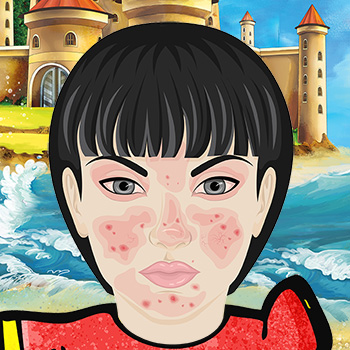
Ocular rosacea is an inflammation of the white of the eye caused by immune system weakness. It can also affect the cornea and usually develops only in the eyes. It appears in combination with the skin version of rosacea in 20% of facial rosacea patients.
Read More »
 In the article, we discussed several essential nutrients for the eye and overall health. This follow-up article focuses on several additional important nutrients: astaxanthin, PUFA’s (polyunsaturated fatty acids), and trehalose.
Bird’s Eye View
This article examines several nutrients that are important for the eyes and overall health. The nutrients come in many forms, and all represent building blocks for well-being. They are:

Our eyes are constantly exposed to the external environment with frequent excess exposure to UVA/UVB light. Natural exposure to the sun is exacerbated by blue light exposure from mobile phones, E-readers, handheld gaming electronics, TV, computer monitors, and fluorescent and LED lighting.
In addition to blue/UV light, our long hours on computers and mobile phones cause stress on our visual system. Physical and visual fatigue reduces the free flow of energy and circulation to the eyes, often accompanied by muscle tension in the neck, shoulders, and lower back.
Read More »
 Summertime is here, and it is great to be outdoors enjoying the wonderful weather. Some daily exposure to sunlight helps build up Vitamin D in the body and is good for eye health, but excessive exposure can lead to skin damage, skin cancer, and even promote eye disease which may include macular degeneration, other retinal disorders, and cataracts. Ongoing exposure to blue light increases the risk of neovascular (wet) macular degeneration, particularly associated with low levels of antioxidants, and especially low levels of vitamin C and zeaxanthin.1 Another study suggested that extended exposure to sunlight outdoors may be associated with age-related maculopathy.2
Read More »

Here’s a summer bonus! Vege-burgers with a twist. Easy to make, just put it all in your food processor.
Ingredients:
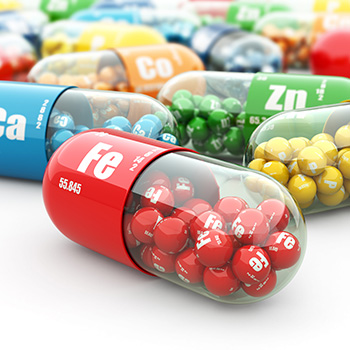 About Micronutrients
Vitamins, minerals, and other special nutrients are known as micronutrients because we only need tiny amounts of each one. However, micronutrients are essential for well-being, healthy development, and disease prevention. The human body needs nearly 30 micronutrients, but it can only produce one: vitamin D.
Read More »
Natural Eye Care, Inc.
3 Paradies Lane
New Paltz, New York 12561
Phone: 845.475.4158

NaturalEyeCare™ started in 1999 to help the public and professionals learn about complementary care in eye disease treatment.
The information and recommendations we offer are based on over 30 years of peer review research and personal clinical experience which guides us in providing a valuable resource to our readers, customers and patients regarding maintaining healthy vision naturally.
We believe that vision health is intimately connected to overall mental, physical and spiritual health. Therefore we encourage people to look at their overall lifestyle and diet as part of keeping healthy vision and reducing the risk of eye disease onset. This includes diet, regular exercise, and management of daily stress. If one has health issues such as high blood pressure, a thyroid imbalance, any autoimmune disease and/or are on medication(s), these possible contributions to eye disease should considered when working with your health care professional.
Please do not hesitate to call us at 845.475.4158 with any questions and concerns.