
Th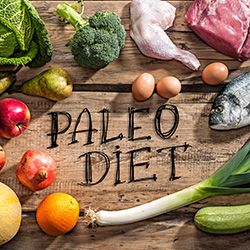 e Paleo Diet or “Caveman Diet” is trendy, but what effect could it have on the eyes? The idea is to eat like hunter-gatherers in the Stone Age. These early humans had no agriculture–and no processed foods. Nearly devoid of grains and dairy products, this diet focuses on meat, fruit, nuts, seeds, and vegetables.
The discordance hypothesis holds that the invention of agriculture resulted in a diet that did not match our DNA. Did we evolve to eat large amounts of grains and dairy products? Farming is only 10,000 years old, but our Stone Age ancestors lived 2.5 million years before this.
Read More »
 Biohacking refers to hacking human biology. The term “hacking” implies rogue, off-road, off-label, do-it-yourself activities. It stems from computer terminology, referring to illicitly defeating security protocols. However, the term has evolved to mean solving problems by undermining the established methods.
Regarding vision health, we have identified three types of biohacks: Nutrition Biohacks (Nutrigenomics), Quantified Self Biohacking (personal tracking devices), and Grinders (cyborgs devices).
Read More »
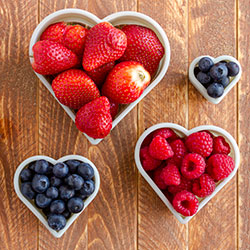
Mother always told you to eat your fruits and vegetables – but why? Modern researchers are finding more and more about antioxidants for health. Scientists publish mountains of peer-reviewed research a year on antioxidants found in fruits and veggies. One type of antioxidant is called “phytonutrients.” Found in plant pigments, phytonutrients are especially good for the eyes and brain. How do phytonutrients slow the impact of aging and reduce disease risk? Which foods contain significant amounts of the best types of phytonutrients?
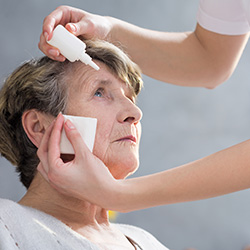 Glaucoma is an eye disease typically associated with high intraocular pressure, but managing glaucoma is more than decreasing eye pressure. Some cases of glaucoma have normal or low intraocular pressure. Natural approaches to glaucoma care, in addition to standard ophthalmology, can help reduce vision loss. The purpose of treatment is to slow down the damage. What are the symptoms of glaucoma? What causes it? How is glaucoma detected? What is the prognosis? How can decreasing intraocular pressure help? And how can you try to reduce vision loss?
Read More »
 As the New Year approaches, resolve to improve your vision health. Dr. Marc Grossman and Michael Edson, co-authors of Natural Eye Care 2nd Edition, developed this checklist of New Year resolutions for vision health. Pick one or more resolution. Regardless of your age, you can reduce your risk of developing eye disease. Eye disease such as cataracts, macular degeneration, and glaucoma are prevalent in seniors. A few simple steps can help preserve the precious gift of sight.
Read More »
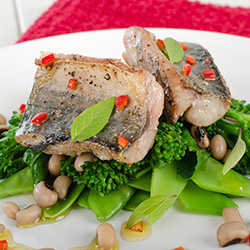 Docosahexaenoic acid or DHA is a naturally-occurring chemical, so why might seniors need to supplement it? Our bodies create small amounts of this omega-3 fatty acid. DHA from the diet, such as seafood, also counts. Docosahexaenoic acid is crucial to brain development in infants, and it is found in large quantities in the brain and retina. Researchers have found that consuming extra DHA can fight eye disease. How much docosahexaenoic acid do you need to get these effects? Can you get enough through your diet, or do you need to supplement DHA for optimum health?
Read More »
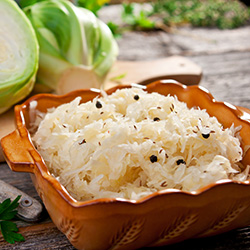 Our body naturally produces enzymes for digestion, so why might we need digestive enzyme supplements? Some fresh and fermented foods contain large amounts of digestive enzymes. How do these chemical catalysts help digestion? What happens if we do not have enough enzymes? Do we produce enough enzymes as we age? Does our diet today contain enough digestive enzymes?
Enzymes are catalysts. A catalyst enables a chemical reaction without being changed. For example, lactase is a digestive enzyme that splits lactose, from milk, into more easily digestible sugars. People who have difficulty digesting milk can take a lactase supplement to facilitate digestion.
Read More »
 Where do you find nutritious recipes for the eyes? A significant body of research has shown that certain nutrients are very important to healthy vision. This makes sense, because your eyes are the most nutrient-hungry organ in the body for their size. Cooking at home is less expensive and generally more nutritious than eating restaurant foods. Therefore, having an arsenal of healthy recipes could help prevent and support glaucoma, diabetic retinopathy, macular degeneration and other age-related eye diseases.
Read More »
 How can you save your vision regardless of your age? Eye disease is prevalent in seniors; however, people of all ages can take steps to protect their eyes. Here is Natural Eye Care’s guide to preserving the precious gift of sight.
Wear Sunglasses: The earth’s atmosphere has thinned, exposing our eyes to more ultraviolet light whenever we are outdoors. Wear 100% UVA/UVB protecting sunglasses when you are outside in the
Read More »
 Whenever the sun is shining, drivers need to wear sunglasses. Glare from the sun is unsafe and can cause accidents. The eyes are vulnerable to damage from sunlight. Which types of sunglasses are best for driving? How do sunglasses protect the eyes?
New drivers have the mantra drilled into them: “Hands on the wheel, eyes on the road.” Bright sunlight streaming through the windshield is hard on the eyes. Even a slightly
Read More »
Natural Eye Care, Inc.
3 Paradies Lane
New Paltz, New York 12561
Phone: 845.475.4158

NaturalEyeCare™ started in 1999 to help the public and professionals learn about complementary care in eye disease treatment.
The information and recommendations we offer are based on over 30 years of peer review research and personal clinical experience which guides us in providing a valuable resource to our readers, customers and patients regarding maintaining healthy vision naturally.
We believe that vision health is intimately connected to overall mental, physical and spiritual health. Therefore we encourage people to look at their overall lifestyle and diet as part of keeping healthy vision and reducing the risk of eye disease onset. This includes diet, regular exercise, and management of daily stress. If one has health issues such as high blood pressure, a thyroid imbalance, any autoimmune disease and/or are on medication(s), these possible contributions to eye disease should considered when working with your health care professional.
Please do not hesitate to call us at 845.475.4158 with any questions and concerns.