
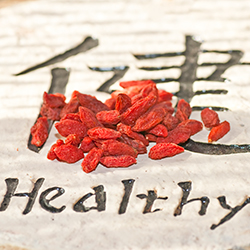
 Dry eye is a common complaint at the optometrist’s office.
Symptoms include dry, itchy, eyes. Causes of dry eye are diverse. Sometimes the root cause is treatable, and sometimes only the symptoms can be managed. However, dry eye syndrome is not new. Neither is Traditional Chinese Medicine (TCM), an ancient system of healthcare that dates back thousands of years. TCM has techniques for addressing the complete spectrum of human wellness, including dry eye syndrome.
Read More »
 You need to protect your eyes when the weather is dry or windy. During the colder seasons, relative humidity indoors is low. Outdoors, wind can blow dust, pollution, ice and snow. Find out how to protect yourself from dry eyes, allergens, irritation, and injury.
Dry eye is a common eye complaint. The eyes may feel itchy, burning, irritated, sore or gritty.
Read More »
 What is this new buzzword “glycation”? When sugars bind with protein molecules, aging apparently accelerates.
Doctors are starting to offer the hemoglobin A1c blood test to more patients because tissue glycation is suspected of accelerating aging. This simple blood test was typically reserved for diabetics. However, research is pointing to its usefulness for all ageing individuals. The test results are good indicators of poor blood sugar control, disease risk, and longevity.
Glycation is the binding together of sugar and protein molecules. A visible result of glycation is
Read More »
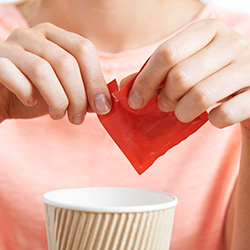 Artificial sweeteners are marketed to dieters and diabetics as a low-calorie alternative to sugar. However, a meta-study found that these sweeteners have negative impacts on gut bacteria, appetite, and metabolism.1 Ironically, long-term users of artificial sweeteners were more likely to experience weight gain and obesity than non-users. They also had a higher incidence of weight-related diseases such as high blood pressure, diabetes, heart disease.
Research has indicated that artificial sweeteners can also be neurotoxic, so may be contraindicated for optic nerve issues and brain health.
Read More »
 A study in the Journal of the American Geriatrics Society found that seniors had better memory and attention if they followed the Mediterranean Diet. Many seniors struggle with memory and attention impairment. Research is finding that what you put in your mouth strongly impacts brain functioning. A large body of research shows that certain types of diets have better cognitive outcomes than others.
At Natural Eye Care, we recommend the Mediterranean Diet. Saying the word “diet” does not necessarily imply losing weight. Rather, this style of eating
Read More »
 Smartphones can damage the eyes and cause disturbed sleep. Therefore, Natural Eye Care has issued safety guidelines for smartphones. We have summarized research on how smartphone misuse could contribute to the onset of serious eye diseases such as glaucoma and macular degeneration. Eye strain and discomfort from improper smartphone habits create unnecessary suffering. Night time smartphone use leads to poor sleep.
However, there is much you can do to prevent problems from smartphones. At the end of this article, you will find suggestions for how to use smartphones without damaging your eyes.
Read More »
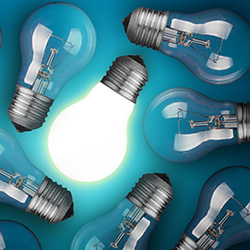 Even though sunlight is free, we pay for electric lightbulbs. We enjoy access to light 24 hours a day, even lighting the outside at night. The miracle of electric lighting means more leisure and work time.
What effects do the different types of lightbulbs have on our eyes? On our health? Does the type of light in the evening affect our sleep cycles? We’re encouraged to use compact fluorescent and LED bulbs instead of incandescent bulbs, but are the long-effects of these new bulbs known, or can their effects be predicted?
Read More »
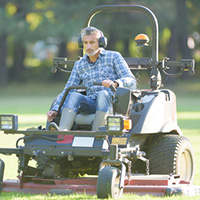 Sunlight is critical for overall well-being. Through an intricate process it enables the body to produce essential vitamin D. We only need 20 minutes of sunlight a day. But sunlight also contains UV radiation.
Unprotected over exposure to sunlight can eventually result in oxidative damage to the retina and other eye tissue such as the eye lens and sclera causing many eye problems as well as skin cancer. You can help protect your eyes by wearing 100% UVA/UVB protecting sunglasses when outside (particularly wraparound glasses with amber or brown lenses that are polarized to reduce glare).
Read More »
 Myopia, or nearsightedness, is a common vision problem. Evidence is starting to show that sunlight has special properties beneficial to vision health. Specifically, exposure to sunshine reduces the risk of developing nearsightedness at all ages. The quality of artificial light and nutrition also play roles. The world’s most natural remedy is sunlight. Find out how much you need to stay healthy.
Natural Eye Care, Inc.
3 Paradies Lane
New Paltz, New York 12561
Phone: 845.475.4158

NaturalEyeCare™ started in 1999 to help the public and professionals learn about complementary care in eye disease treatment.
The information and recommendations we offer are based on over 30 years of peer review research and personal clinical experience which guides us in providing a valuable resource to our readers, customers and patients regarding maintaining healthy vision naturally.
We believe that vision health is intimately connected to overall mental, physical and spiritual health. Therefore we encourage people to look at their overall lifestyle and diet as part of keeping healthy vision and reducing the risk of eye disease onset. This includes diet, regular exercise, and management of daily stress. If one has health issues such as high blood pressure, a thyroid imbalance, any autoimmune disease and/or are on medication(s), these possible contributions to eye disease should considered when working with your health care professional.
Please do not hesitate to call us at 845.475.4158 with any questions and concerns.