

Vitamin C is best known for immune support, but its role in healthy aging is broader than that. Ascorbic acid, the chemical name for Vitamin C, helps the body make collagen, supports blood vessel integrity, assists wound healing, improves the absorption of iron from plant foods, and acts as an antioxidant. These functions matter throughout the body, including in the brain and eyes.
A recent large study of older adults adds another reason to pay attention to vitamin C status. Researchers found that lower plasma vitamin C levels were associated with lower gray matter volume and weaker connectivity in a major brain network involved in memory, attention, and self-reflection. The study does not prove that vitamin C prevents brain shrinkage or cognitive decline. However, it does suggest that healthy vitamin C levels may be one marker of better brain aging. 1
Read More »
 N-Acetyl-Cysteine is an amino acid that has been researched heavily for its antioxidant and anti-inflammatory properties. NAC is primarily a building block for glutathione. Key clinical studies explore its role in respiratory health, vision support, liver function, aging, and anti-inflammatory properties.
As an antioxidant, NAC helps protect healthy cells by neutralizing free radicals before they can cause harm. It supports the body’s supply of cysteine, a key building block of glutathione, one of the body’s most important internal antioxidants. By helping restore glutathione levels, NAC strengthens the cell’s antioxidant defenses and helps clear reactive oxygen species, or ROS. NAC also has anti-inflammatory effects. In the early stages of immune activation, it may help reduce the release of cytokines, which are chemical messengers involved in inflammation. 1
Read More »
Y our nervous system runs on communication. Nerves send signals from the brain and spinal cord out to the rest of the body, and back again. Myelin is the protective, fatty coating wrapped around many nerve fibers. Think of it as insulation around wiring: it helps signals travel faster, more clearly, and with less electrical leakage. 1
Myelin is also part of a bigger support system. In the central nervous system (the brain and spinal cord), specialized cells called oligodendrocytes help build and maintain myelin. These cells do not just wrap nerves; they also support neurons structurally and metabolically, helping the nervous system meet energy demands over time.
Read More »
 Vitamin B12 is a water-soluble vitamin your body needs for DNA synthesis, red blood cell formation, and healthy nervous system function. When vitamin B12 levels are low, people can develop anemia and experience fatigue and weakness. Therefore, maintaining adequate B12 levels is important for day-to-day energy and overall health. However, B12 can be low even in people who eat Vitamin B12-rich meat and dairy products. Vitamin B12 cannot be produced in the body, so it must be obtained from food or supplements.1
Newer research suggests vitamin B12 (cobalamin) status may influence more than nerve function alone. Findings highlighted in 2026 point to a relationship between vitamin B12 and skeletal muscle mitochondrial function (the cell’s energy-producing machinery), which may contribute to metabolic resilience and aspects of healthy aging.2 In practical terms, maintaining adequate B12 may help support muscle function and strength over time, which can matter for mobility and injury risk as we age.
Read More »
 A healthy, nutrient-rich diet supports long-term brain and eye health and may help lower the risk of serious conditions like Alzheimer’s disease and other dementias, as well as vision disorders such as macular degeneration and glaucoma.
One eating pattern often highlighted for these benefits is the Mediterranean-style diet. Research links consistent adherence to this approach with lower overall mortality, reduced deaths from cardiovascular disease and cancer, and a decreased likelihood of developing chronic, degenerative illnesses.1
Read More »
 As we get older, it’s common to notice changes in memory, focus, and mental sharpness. Researchers often discuss these changes in relation to neurogenesis—the ongoing creation of new brain cells—which tends to slow down with age. Because neurogenesis supports the brain’s ability to adapt and maintain itself (often called plasticity), a decline may be associated with reduced cognitive performance over time.
Age-related factors such as oxidative stress and inflammation are frequently discussed as reasons neurogenesis may slow down. At the same time, healthy dietary patterns and lifestyle habits are often studied for their potential to support brain health and the processes involved in maintaining brain tissue.
Read More »
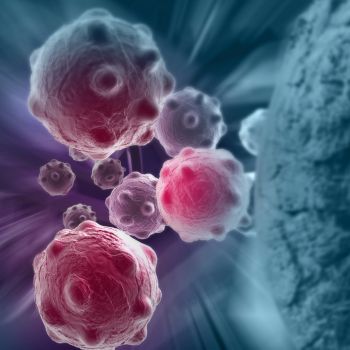
At Natural Eye Care, we want to keep our readers informed about new developments in health and wellness. Sometimes that means looking at breakthrough medical research, such as promising new cancer treatment technology or new findings about inflammation and Alzheimer’s disease. It also means helping you better understand how inflammation may affect eye health and sharing natural ways to support overall wellness. In this article, we bring these topics together to highlight how ongoing research and whole-body health can both contribute to long-term well-being.
Read More »
 Got high cholesterol? If you are concerned about the side effects of statin drugs, you might not need to worry. A massive study found that most statin side effects are not caused by the drugs. Statins were heralded as a miracle solution for high “bad” cholesterol when they were introduced in 1987. High LDL cholesterol levels increase the risk of heart attacks and stroke. They lowered LDL cholesterol levels by 30% to 50%. However, many physicians were reluctant to prescribe these drugs due to their purported side effects, including muscle aches and weakness, liver damage, a slight increase in blood sugar, digestive issues, headaches, memory loss, and more.
Read More »
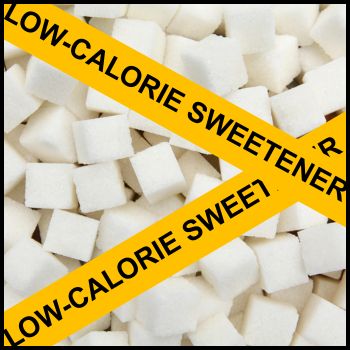 Scientific studies strongly suggest that artificial sweeteners, once thought to be safe alternatives to sugar, are linked to significant health risks. Key findings include increased risks of cardiovascular disease, stroke, type 2 diabetes, metabolic syndrome, cognitive decline, and potential carcinogenicity.1 2 Artificial sweeteners discussed include erythritol, sucralose, and aspartame, which can alter gut microbiota,3 increase inflammation, and cause blood clotting.
Read More »
 Reading at night is recommended for health and improved sleep, compared with staring at electronic screens. Studies show that nighttime reading can improve sleep quality, lower stress, and reduce exposure to blue light, which can disrupt melatonin.1 Using phones, laptops, tablets, and televisions close to bedtime can make it tougher to drift off. The blue-leaning light they emit can interfere with your body’s natural “time to sleep” signals.2
Read More »
Natural Eye Care, Inc.
3 Paradies Lane
New Paltz, New York 12561
Phone: 845.475.4158

NaturalEyeCare™ started in 1999 to help the public and professionals learn about complementary care in eye disease treatment.
The information and recommendations we offer are based on over 30 years of peer review research and personal clinical experience which guides us in providing a valuable resource to our readers, customers and patients regarding maintaining healthy vision naturally.
We believe that vision health is intimately connected to overall mental, physical and spiritual health. Therefore we encourage people to look at their overall lifestyle and diet as part of keeping healthy vision and reducing the risk of eye disease onset. This includes diet, regular exercise, and management of daily stress. If one has health issues such as high blood pressure, a thyroid imbalance, any autoimmune disease and/or are on medication(s), these possible contributions to eye disease should considered when working with your health care professional.
Please do not hesitate to call us at 845.475.4158 with any questions and concerns.