
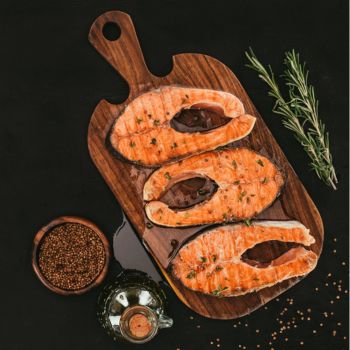
 A large body of scientific research backs up the claim that astaxanthin is great for your body. As a potent antioxidant, astaxanthin scavenges free radicals that cause cellular damage. This benefits many parts of the body, including your skin, eyes, and brain. What is astaxanthin? Where does it come from? And what does the latest research say about its benefits?
Astaxanthin is a marine xanthophyll carotenoid primarily produced by microalgae like Haematococcus pluvialis. Dietary astaxanthin can be obtained through seafood, including salmon, trout, shrimp, and krill.
Read More »
 Brain fog means that you walk into a room and forget why you’re there. You reread the same sentence because the meaning does not sink in. Or you cannot find the words mid-conversation, even though you know what you want to say. If you are a senior who is experiencing brain fog, how can you improve it? And how does it affect your vision health?
A scientific report associated brain fog with the words “‘forgetful,’ ‘cloudy,’ and ‘difficulty focusing, thinking, and communicating’.”1 The decreased cognitive abilities we call “brain fog” can include slow or hazy thinking, confusion, lack of motivation to exercise, difficulty concentrating, trouble remembering things, difficulty focusing, irritability, anxiety, headaches, insomnia, and low motivation.
Read More »
 If you’ve been diagnosed with an eye condition later in life, you’ve probably noticed that most “eye health” conversations focus on vitamins.1 Those can be important, but researchers are also exploring a different strategy: helping retinal cells survive stress.2
Read More »
 The US Department of Health and Human Services (HHS) released its long-awaited update to the nation’s dietary guidelines on January 7, 2026, promising a “historic reset” that puts real, minimally processed food back at the center of American nutrition policy 1. Chronic diseases like heart disease, diabetes, and obesity are high, and these guidelines aim to “Make America Healthy Again.”
On the other hand, the Mediterranean Diet is popular for its proven benefits in reducing the risk of chronic diseases and promoting long-term wellness. It focuses on plant-based meals, healthy fats, and a balanced lifestyle. At Natural Eye Care, we adapted the Mediterranean Diet specifically for people with vision issues and called it the Vision Diet. This diet includes additional recommendations on antioxidant intake, organic foods, and avoiding certain additives and fats 2.
Read More »
 Coronary artery disease stands as the leading form of heart disease in the United States, impacting more than 20 million people. Among atherosclerosis’s most serious risks are heart attacks and strokes, both of which can have life-altering consequences. Fortunately, there are powerful steps you can take to protect your heart health. Building a balanced diet, staying active, and using carefully chosen supplements all play an important role in preventing and managing atherosclerosis. In this article, we will discuss how atherosclerosis happens, its effects on the body, and nutrients that support heart health. We also review basic lifestyle choices, such as exercise and remaining smoke-free, that can add years to your life.
Read More »
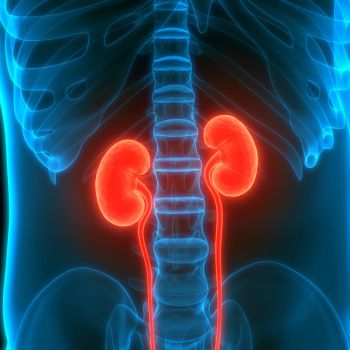 The kidneys play a crucial role in supporting brain health and maintaining optimal vision. In this article, we will examine the flow of vital energy in Traditional Chinese Medicine and look at the latest findings on Parkinson’s Disease. Find out how the intricate relationships between the kidneys, brain, and eyes can help you stay healthier as you age.
According to Traditional Chinese Medicine, meridians run throughout the body, with many going to the eyes. Therefore, healthy meridian flow is essential for helping maintain and support healthy vision and overall health.
Read More »
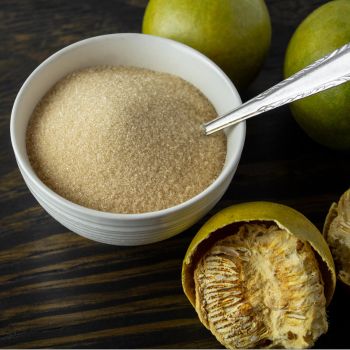
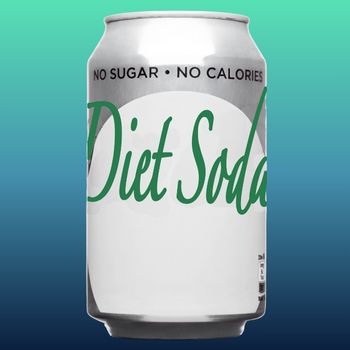 Artificial sweeteners have long been marketed as a “healthier” alternative to sugar, especially for those managing diabetes, obesity, or simply aiming to cut calories. But as we explored in a previous article, mounting research suggests these sugar substitutes may come with hidden health risks that cannot be ignored.
Now, new evidence is shining a spotlight on erythritol—a sugar alcohol commonly found in low-calorie snacks, drinks, and specialty foods. While erythritol is often promoted as a safe, natural option, recent studies suggest it may have unexpected and serious effects on our health, particularly when it comes to brain and cardiovascular function. In this article, we’ll unpack the latest research, explore how artificial sweeteners could affect not just your body but also your vision, and share safe, natural alternatives for those seeking a genuinely healthy way to satisfy their sweet tooth.
Read More »
 Did you know your brain is capable of growing new cells and forging fresh connections, even as you age? The science of neurogenesis is reshaping our understanding of brain and eye health. Neuroplasticity isn’t just for kids! About 30 years ago, scientists began to acknowledge the brain’s amazing ability to adapt in all stages of life. In this article, we will discuss the science of neuroplasticity and how it impacts both the brain and the eyes. Also, we will talk about how neurogenesis regrows brain and eye tissue, and how it could improve eye conditions such as glaucoma. And, we will recommend nutrients that can help your brain build new connections and neurons.
Read More »
 A new study has found a link between vascular diseases, specifically high blood pressure, diabetes, and increased risk for dementia. Vascular risk factors were higher in both female and Black participants, as well as non-carriers of the APOE ε4 gene, which is linked with an increased risk of Alzheimer’s.1
The statistical results of this cohort study suggest that between 22% and 44% of incident dementia cases by 80 years old were attributed to midlife and late-life vascular risk factors.
Natural Eye Care, Inc.
3 Paradies Lane
New Paltz, New York 12561
Phone: 845.475.4158

NaturalEyeCare™ started in 1999 to help the public and professionals learn about complementary care in eye disease treatment.
The information and recommendations we offer are based on over 30 years of peer review research and personal clinical experience which guides us in providing a valuable resource to our readers, customers and patients regarding maintaining healthy vision naturally.
We believe that vision health is intimately connected to overall mental, physical and spiritual health. Therefore we encourage people to look at their overall lifestyle and diet as part of keeping healthy vision and reducing the risk of eye disease onset. This includes diet, regular exercise, and management of daily stress. If one has health issues such as high blood pressure, a thyroid imbalance, any autoimmune disease and/or are on medication(s), these possible contributions to eye disease should considered when working with your health care professional.
Please do not hesitate to call us at 845.475.4158 with any questions and concerns.