
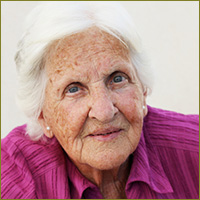
 Age-Related Macular Denegation is a significant cause of vision loss that can often be managed and even improved through targeted nutritional support. It affects mostly people over age 50. While the precise cause of ARMD is not clear, oxidative damage is suspected as being a major factor. It strikes the elderly possibly due to poor diet and nutritional intake over a lifetime, less efficient absorption of nutrients and poor circulation as the body ages. The care needed by vision-impaired elderly could become overwhelming. Let’s take a look at some of the newest research in preventing macular degeneration, as well as treatment and support options.
Read More »
 Carotenoids have been shown to protect against oxidative damage, which can prevent both macular degeneration and factors contributing to dementia-related diseases (i.e., Alzheimer’s disease).1 Links have been found between these two diseases: patients with dementia were found to have poor maculas and a higher incidence of Macular Degeneration2.
However, these nutrients do not seem to be able to mitigate damage after dementia sets in. Therefore, making sure sufficient amounts of carotenoids are ingested at all ages
Read More »
 Optic neuritis is swelling and inflammation of the optic nerve that can cause eye pain, visual impairment, dull colors, and/or flashing lights. Since the optic nerve carries visual information to the brain, any symptoms of optic neuritis should be checked by a doctor immediately. If a patient has just one incident, chances are good that they will fully recover. However, inflammation of the optic nerve can be the first sign of multiple sclerosis, a serious degenerative disease.
One of the dangers of this problem is that the optic nerve can lose some of its myelin. The myelin sheath is fatty tissue that protects the nerves. When the myelin sheath is compromised, the nerves can be damaged. This is one important reason to consult
Read More »
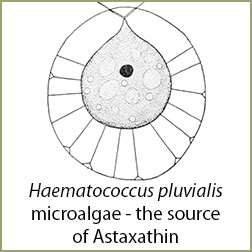 A humble micro-algae produces a powerful antioxidant: astaxanthin. It does so to protect itself from ultraviolet radiation. Research shows that astaxanthin protects the human eyes and brain from serious diseases such as age-related macular degeneration and dementia, including Alzheimer’s disease, as well as conditions like computer eye strain and eye fatigue (asthenopia)1. Astaxanthin supplements are easy to take with no side effects. They are especially helpful as people age and begin to develop serious chronic conditions.
Read More »
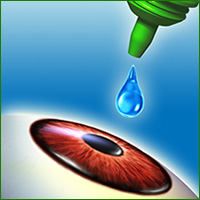 Methylsulfonylmethane, known as MSM, is commonly utilized in the form of MSM eyedrops or powder in vcaps to be taken as a supplement. It is well known for its anti-inflammatory capacity, documented by researchers. Scientists are documenting substantiating research and finding new uses.
Anti-Inflammation
MSM inhibits inflammasomes, which are protein formations that stimulate production of lymphocytes (white blood cells). It also inhibits the activity of ‘pro-cytokines’ which promote inflammation throughout the body, creating health-damaging fevers and causing tissue death and shock.1 This effect of MSM is useful in reducing the tissue swelling that damages the optic nerve, causes eye soreness of dry eyes and Sjogrens syndrome and other inflammatory-related conditions.
 Exposure to electromagnetic fields has been considered a potential contributor or cause to many chronic illnesses for about 20 years. What is becoming more apparent is that EMF pollution when combined with toxins and poor diet makes chronic disease more likely.
 Past studies looking for an association between glaucoma and Alzheimer’s disease have been inconclusive. However, a recent 2015 large study of 7770 Alzheimer’s patients found such an association, specifically with women.
The study appeared in the July 2015 issue of Eye, and it was based on a study of ethnic Chinese in Asia. Each Alzheimer’s patient was matched randomly with controls of the same age and gender. They looked at who had a previous diagnosis of open-angle glaucoma.
Read More »
 A pilot study has found that for patients who were not responding well to depression medication, adding the over-the-counter supplement S-adenosylmethionine (SAMe) improved their condition. The research appeared in the April 2015 edition of Advances in Integrative Medicine, a peer-reviewed journal.
About 40% of depressed patients who take selective serotonin reuptake inhibitors (SSRI) have mixed results, and 30% have poor results. SSRI is a standard pharmaceutical treatment for clinical depression, and the medication can have side effects
Read More »
 Everyone is sensitive to light to some degree, but light sensitivity, or photophobia is an abnormal intolerance for light. Discomfort can be experienced from light sources such as sunlight and fluorescent or other artificial lights. It may cause the person with light sensitivity to squint or to have to close their eyes. It can cause pain and/or tears. In some cases, this may be accompanied by a headache.
The brighter the light, the greater the discomfort. Generally people
Read More »
 A study in the British Medical Journal has shown that exercise can be as effective a treatment as conventional medication for some conditions. By examining 305 different trials, researchers found that patients that used exercise regularly as treatment rivaled or surpassed patients taking pills for the same conditions when examining their life expectancies.
The study was conducted by researchers at the London School of Economics, Stanford University School of Medicine, and the Harvard Pilgrim Health Care Institute at Harvard Medical School. Researchers scanned thousands of studies comparing exercise and medication and narrowed their analysis down to 305 of them. The cases included nearly 340,000 patients, treating conditions such as stroke rehab, heart disease and heart failure, and pre-diabetes.
Natural Eye Care, Inc.
3 Paradies Lane
New Paltz, New York 12561
Phone: 845.475.4158

NaturalEyeCare™ started in 1999 to help the public and professionals learn about complementary care in eye disease treatment.
The information and recommendations we offer are based on over 30 years of peer review research and personal clinical experience which guides us in providing a valuable resource to our readers, customers and patients regarding maintaining healthy vision naturally.
We believe that vision health is intimately connected to overall mental, physical and spiritual health. Therefore we encourage people to look at their overall lifestyle and diet as part of keeping healthy vision and reducing the risk of eye disease onset. This includes diet, regular exercise, and management of daily stress. If one has health issues such as high blood pressure, a thyroid imbalance, any autoimmune disease and/or are on medication(s), these possible contributions to eye disease should considered when working with your health care professional.
Please do not hesitate to call us at 845.475.4158 with any questions and concerns.