
 Homocysteine is an amino acid that can be measured with a simple blood test. The study, which appeared in the Journal of Affective Disorders in August 2013, studied 358 people aged 50 and up who had symptoms of depression.
They gave the subjects cognitive tests that looked at immediate and delayed memory, as well as global cognitive performance. They measured
Read More »
 It’s important to check with your doctor if you are suffering from chronic head pain. However, there are some natural remedies you may find helpful.
Exercise
Studies find that aerobic exercise is as effective at preventing migraines as the migraine medication topiramate. A study
Read More »
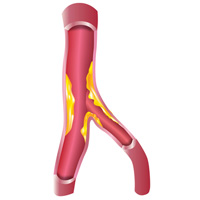 Subjects who took Zocor, lipitor or similar statins are more likely to get cataracts than non-statin users.1 A number of studies assessing data with different mathematical models find that the risk is increased by 27% to 34%.
Cholesterol can build up in the arteries, clogging them and causing strokes and heart attacks. A popular type of drug calls “statins” reduce cholesterol by blocking a substance that body needs to make cholesterol. Around 25% of Americans over the age of 45 take statin drugs to
Read More »
 In a new study that examined the association of cerebrovascular disease with a wide variety of neurodegenerative diseases, the strongest correlation was found to be with Alzheimer’s disease. Researchers from the Perelman School of Medicine at the University of Pennsylvania found that the link was strongest in younger Alzheimer’s patients, in whom the effects of cerebrovascular disease were most pronounced.
Cerebrovascular disease, which affects the circulation of blood in the brain, has previously
Read More »
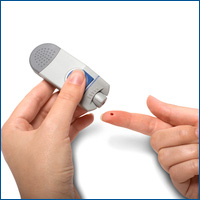 Most people are aware that diabetics are at risk for This is because high blood glucose, or high blood sugar levels, puts people at risk for these problems. Yet, many of us don’t realize that we all need to be concerned about the dangers of high blood sugar levels to our overall health.
High blood sugar levels produce advanced glycation end products or AGEs. AEGs have been linked to the aging process, heart disease, and dementia, as well as serious eye diseases. And, while AGEs are more
Read More »
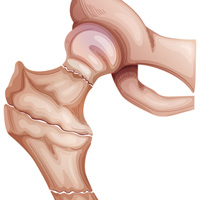 Researchers at Ohio State University examined the effect of high levels of omega-3 fatty acids in the blood of postmenopausal women. The study found that this showed a lower risk of hip fractures in the patients.
Hip fracture and bone loss issues are often increased by inflammation. Omega-3 fatty acids are already known to lower inflammation. The study thus posed the question of whether omega-3 fatty acid intake might lower fracture risk.
Read More »
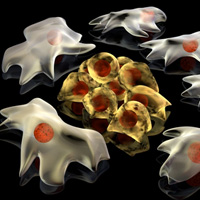
Immunocore, a UK-based biotechnology company, has been exploring this area using T-cells. T-cells are responsible for identifying and destroying pathogens. A protein protruding from the cell called the “T-cell receptor” binds itself to cells recognized as a threat. While T-cells are not naturally expert at identifying cancer cells, it is possible to engineer them to do so.
This is what chief scientific officer Bent Jakobsen and his team at Immunocore have been working on over 20 years of study. They engineered a form of treatment that works at the level of cellular immunity. Using the T-cell receptor as a model, researchers at Immunocore have created a small protein molecule called ImmTAC. These molecules have two binding ends. One attaches to T-cells. The other sticks to cancer cells, without affecting any healthy cells.
Read More »
 The success of the study indicates the potential for using the drug to improve heart function in humans.
The Buck Institute study used laboratory mice at an age comparable to humans in their 70s. After three months of treatment with rapamycin, the mice showed improved heart function. Ultrasound images indicated their hearts were more efficient in pumping blood. The mice also spent more of their time on running wheels.
Cardiovascular disease (heart disease) is the leading cause of death in Americans, claiming approximately 600,000 lives and costing $109 billion each year.
Read More »

In patients with multiple sclerosis, the immune system incorrectly reacts to myelin, the insulating sheath that covers nerves in the brain, optic nerve, and spinal cord, and then destroys it, disrupting normal transmission of electrical signals. This results in symptoms from partial limb numbness to paralysis and blindness.
The new human trial is part of a collaboration between Northwestern’s Feinberg School, University Hospital Zurich in Switzerland and University Medical Center Hamburg-Eppendorf in Germany.
Read More »
 The study appeared in Stroke, the journal of the American Heart Association. Researchers from the Brigham and Women’s Hospital and Harvard Schools of Public Health reported that the risk is especially high for older women. They connect lower levels of the hormone DHEAS, or dehydroepiandrosterone sulfate, with this higher stroke risk.
The study’s subjects included women from the Nurses’ Health Study of 1976. They had no reported history of strokes when they joined that study. The levels of DHEAS of these women were tested between 1989 & 1990. The 461 stroke patients were matched up for age, race,
Read More »
Natural Eye Care, Inc.
3 Paradies Lane
New Paltz, New York 12561
Phone: 845.475.4158

NaturalEyeCare™ started in 1999 to help the public and professionals learn about complementary care in eye disease treatment.
The information and recommendations we offer are based on over 30 years of peer review research and personal clinical experience which guides us in providing a valuable resource to our readers, customers and patients regarding maintaining healthy vision naturally.
We believe that vision health is intimately connected to overall mental, physical and spiritual health. Therefore we encourage people to look at their overall lifestyle and diet as part of keeping healthy vision and reducing the risk of eye disease onset. This includes diet, regular exercise, and management of daily stress. If one has health issues such as high blood pressure, a thyroid imbalance, any autoimmune disease and/or are on medication(s), these possible contributions to eye disease should considered when working with your health care professional.
Please do not hesitate to call us at 845.475.4158 with any questions and concerns.