
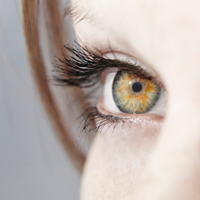
 The eyes are not just the mirrors of our souls – they also reflect many of our diseases. Because they are the only place in the body where you can easily see blood vessels and even part of the brain via the optic nerve, they can be used to detect a number of diseases.
A large study of 120,000 people by the insurance company, VSP Vision Care, found that 34% of diabetes patients first found out about their disease from an eye exam. High blood pressure
Read More »
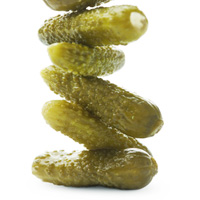 Do you have high blood pressure or hypertension? If so, take a look at these foods you should avoid due to their high sodium content. The upper limit of sodium per day is 2300 mg (1 teaspoon). Too much sodium does direct damage to the heart and arteries and raises blood pressure significantly.
Here are common foods that quickly add up sodium in your diet:
Read More »
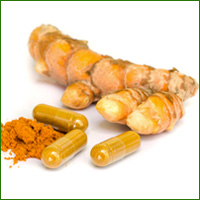 Research on turmeric spice indicates its potential to fight depression, cancer, diabetes, and neurodegenerative disease. The bright yellow spice, which lends color and flavor to mustard, curry, and other foods, also contains highly beneficial chemicals like curcumin.
Curcumin has been studied widely in the past, but it only makes up about two to five percent of the turmeric spice. Researchers from the Cytokine Research Laboratory
Read More »
 2016
2016
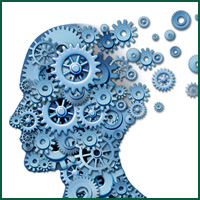
Researchers were able to detect evidence of Alzheimer’s development in mice even before detection of plaque build-up was possible. By using a light flashed into the eyes of mice and evaluating the patterns of reflected light they could see clear evidence of changes in the brain – changes that would naturally develop as beta amyloid plaque later developed in the brain. The technique has not been expanded for humans yet (as of June, 2016) but is now beginning phase I trials.1
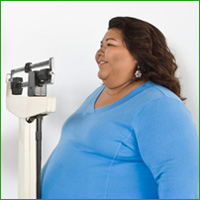 Diabetic retinopathy is an eye disease that is a complication of diabetes. In diabetes, levels of blood sugar are chronically elevated due to lack of insulin, an insulin insensitivity, or a combination of both. Just as sugar combined with water outside the body forms a sticky substance, excessive sugar in the bloodstream does so as well. Sugar adheres to numerous different tissues in the body, causing problems depending on the tissue. Prolonged excessive sugar in the bloodstream tends to damage the blood vessels of the retina, the back part of the eye that sends light signals to the brain. As the blood vessels
Read More »
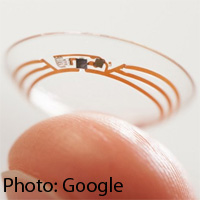 Google has announced plans to build a contact lens that can monitor blood sugar levels. The device that may come replete with miniature, flexible electronics, sensors and antennae. The lens would keep track of blood sugar levels via human tears. Google’s contact lens would be able to alert wearers when their blood sugar levels are too high or too low. For diabetics, this could theoretically free them from the need for frequent finger pricks to check blood sugar. It could also give them tools to better manage their blood sugar. Diabetes can lead to diabetic retinopathy, a serious eye disease (learn more).
While the device still
Read More »
 A traditional herb has been getting a lot of attention from researchers lately. Ginseng! It came from the Appalachians and Ozarks, where it was used by American Indians as a medicinal herb. In the 1700s, it was sold extensively to Asian traders who promoted its cultivation in China and Korea. It is now cultivated commercially in the Eastern US and upper Midwest.
Read More »
From before birth to the end of your life, smoking has a radical, nasty effect on your life: not only your health, but your social and mental life as well. It impacts every aspect of your life – your vision, your health, your happiness – from the time in the womb until your old age.
Read More »
Natural Eye Care, Inc.
3 Paradies Lane
New Paltz, New York 12561
Phone: 845.475.4158

NaturalEyeCare™ started in 1999 to help the public and professionals learn about complementary care in eye disease treatment.
The information and recommendations we offer are based on over 30 years of peer review research and personal clinical experience which guides us in providing a valuable resource to our readers, customers and patients regarding maintaining healthy vision naturally.
We believe that vision health is intimately connected to overall mental, physical and spiritual health. Therefore we encourage people to look at their overall lifestyle and diet as part of keeping healthy vision and reducing the risk of eye disease onset. This includes diet, regular exercise, and management of daily stress. If one has health issues such as high blood pressure, a thyroid imbalance, any autoimmune disease and/or are on medication(s), these possible contributions to eye disease should considered when working with your health care professional.
Please do not hesitate to call us at 845.475.4158 with any questions and concerns.