
 Eye washes provide natural relief for irritated, inflamed eyes. Natural Eye Care recommends eye washes for a wide variety of eye conditions. Good lid hygiene can both soothe and prevent eye irritation.
Eye irritation can be caused by conjunctivitis, bacterial or viral infections, dry eyes, hormonal changes, allergies, drug side-effects, dehydration, excessive screen time,
Read More »
 A study in the Journal of the American Geriatrics Society found that seniors had better memory and attention if they followed the Mediterranean Diet. Many seniors struggle with memory and attention impairment. Research is finding that what you put in your mouth strongly impacts brain functioning. A large body of research shows that certain types of diets have better cognitive outcomes than others.
At Natural Eye Care, we recommend the Mediterranean Diet. Saying the word “diet” does not necessarily imply losing weight. Rather, this style of eating
Read More »
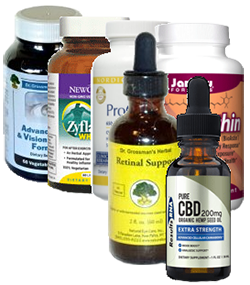 More and more research is pointing to inflammation as playing a role in a wide range of diseases. Alzheimer’s disease, heart disease, cancer, and arthritis, and even the visible signs of aging are all linked to chronic inflammation. Autoimmune disorders such as rheumatoid arthritis, multiple sclerosis, lupus, and Sjogren’s Syndrome can damage the eyes. Also, major eye diseases including Inflammatory (Uveitic) Glaucoma and Wet Macular Degeneration involve inflammation. Anti-inflammatory supplements can help tackle these conditions.
Therefore, Dr. Grossman at Natural Eye Care has developed the Anti-Inflammatory Eye
Read More »
 The links between antioxidants and vision health are strong. Antioxidants are the antidote to oxidization. Normal metabolism creates free radicals. These are atoms that lack an electron. Free radicals roam about the body, scavenging electrons and stealing electrons from healthy cells. This results in permanent damage to these afflicted cells which ultimately can result in disease. Significant research has shown that antioxidants protect against this cellular damage and are essential for maintaining health. The eye is especially vulnerable to free radical damage. Therefore, providing the body with sufficient antioxidants
Read More »
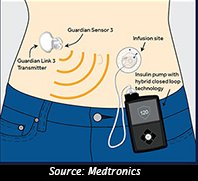 The Food and Drug Administration has granted approval for a new artificial pancreas that is hailed as a breakthrough for patients with Type I diabetes. Manufactured by Medtronic Plc, the MiniMed 670G1 combines an insulin pump with an insulin sensor. The sensor sends blood sugar data to the pump every five minutes. Then, the pump releases the correct amount of insulin. This technology saves finger-pricks and frequent monitoring of blood glucose levels.
Monitoring blood sugar levels is
Read More »
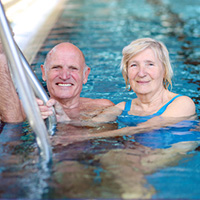 While Americans spend billions of dollars each year on how they LOOK, little attention is given to how they SEE. Seniors are especially vulnerable to eye diseases such as glaucoma, age-related macular degeneration, and cataracts, as well as hypertension-related eye damage such as retinal vein occlusion.
The American Academy of Ophthalmology issued guidelines on aging and the eye as a result of its 2015 Eye-Q© Survey1 (updated with 2016 data).
Here is a summary of their recommendations.
 As we age, our chances of developing a serious vision problem increase significantly. More than half of people over the age of 70 years old have an eye condition such as cataracts, glaucoma, and macular degeneration; people with diabetes often develop diabetic retinopathy. These limiting conditions decrease the quality of life. Being a retired senior means having time to enjoy life, read, travel, play golf, enjoy hobbies, and socialize with friends and family. However, participating in these activities requires clear vision.
We can learn to help preserve our vision and to become active
Read More »
 Americans are spending at least 5 hours per day close-up looking at computers, tablets and smartphones.1 However, our eyes were not designed for extended hours of close-up work. In the same way that we need regular physical exercises, we also need eye exercises. We evolved as hunter-gathers, and our eyes are made to scan the landscape. Modern technology has resulted in wide-spread computer eye strain. Symptoms include short-term dry eyes, worsening farsightedness, nearsightedness and astigmatism, eye focusing disorders and poor eye coordination.
Read More »
 Alzheimer’s Disease and Parkinson’s Disease may appear first in the eye, possibly years before the first clear symptoms of the either disease appear. This offers hope of detecting two devastating and common diseases in their earliest stages. Damage from these brain and central nervous system diseases may prove very difficult to reverse. Detecting these illnesses, which impact mostly the elderly, as early as possible could mean treatments that slow the diseases’ progress and preserve functioning. Several recent studies on the eye hold promise of reliable early detection, routine screening and therefore, early intervention.
Read More »
 Lifestyle can have a significant impact on the progression of glaucoma. Patients should follow their ophthalmologist’s advice. Also, research has shown that certain behavioral changes can help preserve vision. Natural Eye Care offers these tips.
If you are sedentary and have a glaucoma diagnosis, you can expect strong benefits from becoming active. A meta analysis1 showed that exercise reduced intraocular pressure in patients. The effect was largest on those who were sedentary
Read More »
Natural Eye Care, Inc.
3 Paradies Lane
New Paltz, New York 12561
Phone: 845.475.4158

NaturalEyeCare™ started in 1999 to help the public and professionals learn about complementary care in eye disease treatment.
The information and recommendations we offer are based on over 30 years of peer review research and personal clinical experience which guides us in providing a valuable resource to our readers, customers and patients regarding maintaining healthy vision naturally.
We believe that vision health is intimately connected to overall mental, physical and spiritual health. Therefore we encourage people to look at their overall lifestyle and diet as part of keeping healthy vision and reducing the risk of eye disease onset. This includes diet, regular exercise, and management of daily stress. If one has health issues such as high blood pressure, a thyroid imbalance, any autoimmune disease and/or are on medication(s), these possible contributions to eye disease should considered when working with your health care professional.
Please do not hesitate to call us at 845.475.4158 with any questions and concerns.