
 Glutathione is rather amazing – low levels are biomarkers for various conditions and it is a “super antioxidant.”
Low levels of glutathione are linked to cataracts, macular degeneration, glaucoma, and brain neurodegenerative problems. The amount of glutathione in blood plasma is considered an overall indicator of the body’s antioxidant defense system.
Glutathione (GSH) is a super free radical fighter with the capacity to neutralize the full spectrum of free radicals. Normal metabolic activity creates free radicals, they can be destructive. They are missing an electron in their outer orbit and therefore try to steal one from a nearby healthy cell, rendering that cell dysfunctional.
Read More »

The antioxidants lutein and zeaxanthin help keep the eyes healthy. A new study has found that these nutrients also improve the circulation of blood to the brain. Seniors experience gradual cognitive decline. A recent study showed that taking enough of these antioxidants halted cognitive decline. Research supports the idea that nutrition has a direct impact on the brains and eyes throughout one’s lifespan from infancy (breast milk contains lutein) to old age.1
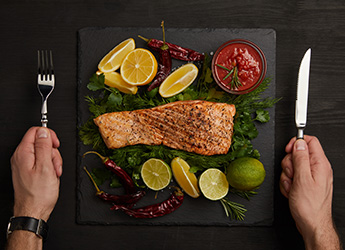 The lowly microalgae in the ocean produce astaxanthin for their protection against environmental stressors and light. Fish and crustaceans consume microalgae and retain the bright red color that we see in salmon, sea trout, shrimp, and krill.
When we enjoy savory salmon, the benefit of the astaxanthin that it contains extends to our vision, brain, circulatory system, immune system, etc., but with a difference. It provides significantly greater antioxidant protection (10x to 100x more) than other antioxidants.1 2 3
Read More »

What is so special about glutathione? This amino acid is considered a super antioxidant. It is one of the few nutrients that can neutralize the full spectrum of free radicals in the body. Free radicals are molecules missing an electron in the outer orbit; they ‘steal’ an electron from a healthy cell causing that cell to atrophy and die. Glutathione has an extra electron, binds with free radicals, and neutralizes them.
Glutathione is concentrated in the brain, supports the eye’s lens, retina/macula, cornea, detoxifies, and can be produced by the body — but production declines as we age and/or in the face of poor diet, environmental toxins, stress, trauma, some medications, infections, etc.
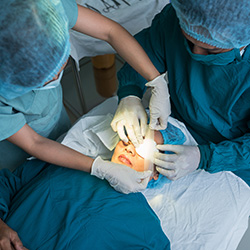 Cataracts are one of the most common eye conditions among seniors. A cataract results in clouding the vision, and eventually causes blindness if not treated. The conventional approach to cataracts is to wait and see if it gets worse. When a cataract is advanced, an eye surgeon usually offers cataract surgery. Cataract surgery uses artificial lenses that correct any clouding due to a cataract. It can correct certain refraction errors at the same time. However, not everyone is a good fit for this treatment. Which nutrients help promote healthy lenses and overall eye health? What does recent research into cataract pharmacotherapy show? And, which combinations of nutrients are the most effective for lens support?
Read More »
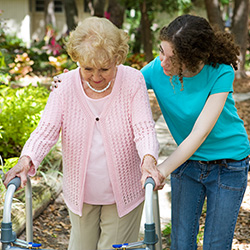 Maintaining a healthy lifestyle is instrumental in preventing or even putting a stop to a loss of vision due to age. Especially when senior citizens are presented with debilitating eye conditions. They may suffer from depression, anxiety and fear. They notice that they no longer have a sense of balance and face the possibility of falling. Many are unaware that they can circumvent these conditions.
Following the tips will help pave the way toward a better quality of life:
Read More »
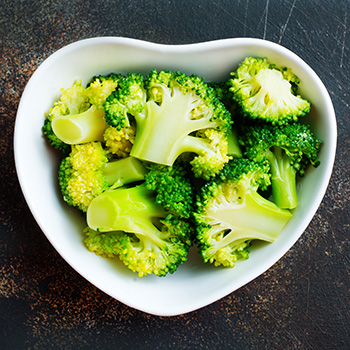 What are phytochemicals?
Plant-based biochemicals protect our bodies with respect to both overall health and wellbeing and longevity. Natural compounds produced by plants, known as phytochemicals, exert a protective and therapeutic effect against pathological changes in body tissue that may be not only a result of disease, but a cause of disease.1
Read More »
 Wet Age-Related Macular Degeneration and Diabetic Retinopathy can lead to vision loss from angiogenesis. Angiogenesis is the growth of unwanted blood vessels in the retina. These excess blood vessels obscure or distort vision and damage the eye. They can result in permanent damage if not treated, typically by injection of EyLea, Avastin, or Lucentis. Macular Degeneration (ARMD) and Diabetic Retinopathy are most prevalent among seniors over age 60. Are there any natural methods to help retard the growth of extra blood vessels in the eye?
Read More »
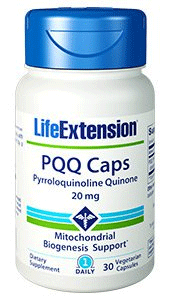 Scientists are learning more about nutrients that impact the cells and brain. Pyrroloquinoline quinone (PQQ) is a nutrient found in certain fruits, vegetables, tea, and eggs. PQQ supplements appear to improve mitochondrial functioning and improve the brain. As people age, the tiny mitochondria inside cells become increasingly damaged. PQQ is a quinone that could prove to be an important anti-aging supplement.
Humans cannot produce their own pyrroloquinoline quinone. You can get some PQQ through your diet. PQQ is found naturally in food such as bananas, cabbage, carrots, celery, egg yolks, fava beans, field mustard, green peppers, kiwi, miso, natto (fermented soybeans), oranges, papayas, parsley, potatoes, spinach, sweet potatoes, tofu, tomatoes, and green teas. Bacteria inside of people may be able to produce some PQQ. However, PQQ supplements provide a steady, predictable dose. We recommend just 10 mg to 20 mg of PQQ supplements per day.
Read More »
 The world is changing. Our concepts of western medicine have shifted over the past 30 years. Today’s public wants a more comprehensive, integrated approach from health care providers.
Complementary, integrated health care is slowly replacing the idea of referring each symptom to a different specialist.
We need to look at the whole person, his or her dietary preferences, exercise regimen, and the types of relationships they are engaged in. Also, we need to examine the particular symptoms that created their condition in the first place.
Read More »
Natural Eye Care, Inc.
3 Paradies Lane
New Paltz, New York 12561
Phone: 845.475.4158

NaturalEyeCare™ started in 1999 to help the public and professionals learn about complementary care in eye disease treatment.
The information and recommendations we offer are based on over 30 years of peer review research and personal clinical experience which guides us in providing a valuable resource to our readers, customers and patients regarding maintaining healthy vision naturally.
We believe that vision health is intimately connected to overall mental, physical and spiritual health. Therefore we encourage people to look at their overall lifestyle and diet as part of keeping healthy vision and reducing the risk of eye disease onset. This includes diet, regular exercise, and management of daily stress. If one has health issues such as high blood pressure, a thyroid imbalance, any autoimmune disease and/or are on medication(s), these possible contributions to eye disease should considered when working with your health care professional.
Please do not hesitate to call us at 845.475.4158 with any questions and concerns.