
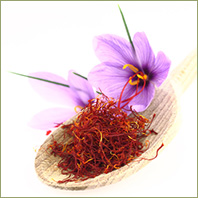
 Taking saffron pills improved the visual acuity of age-related macular degeneration (AMD) patients in a small study. Macular degeneration is the gradual deterioration of the small, yellow-colored part of the eye near the center of the retina.
Saffron contains carotenoids called crocin and crocetin. These antioxidants have been shown to have a protective effect on retinal cells.
Read More »
 Women with specific genes may be more likely to develop age-related macular degeneration (AMD) if they are deficient in Vitamin D, according to new research in JAMA Ophthalmology.
The genetic variant (Y402H) studied is the complement factor H gene, called CFH for short. The genes in question are related to the immune system. The development of macular degeneration is believed to involve inflammation. In AMD, drusen, lipids (fats) and proteins build up in the eye. The body perceives the drusen to be an invader and attacks it. The genes appear to cause a stronger immune response.
Read More »
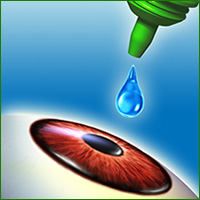 Methylsulfonylmethane, known as MSM, is commonly utilized in the form of MSM eyedrops or powder in vcaps to be taken as a supplement. It is well known for its anti-inflammatory capacity, documented by researchers. Scientists are documenting substantiating research and finding new uses.
Anti-Inflammation
MSM inhibits inflammasomes, which are protein formations that stimulate production of lymphocytes (white blood cells). It also inhibits the activity of ‘pro-cytokines’ which promote inflammation throughout the body, creating health-damaging fevers and causing tissue death and shock.1 This effect of MSM is useful in reducing the tissue swelling that damages the optic nerve, causes eye soreness of dry eyes and Sjogrens syndrome and other inflammatory-related conditions.
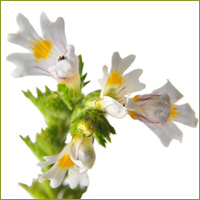 European researchers have been looking at what makes eyebright tick and why it has long been regarded in traditional folk medicine as a helpful herb for eye conditions. Turns out that eyebright supports more than eye health. Wikipedia describes eyebright as having possible benefits not only for blepharitis and conjunctivitis, but for eye strain, colds and sinus infections, allergies and hay fever and sore throats and coughs.
Eyebright has anti-microbial action and is more effective in concentrations of at least 512 micrograms per milliliter against a number of nasty microbes associated with eye infections.
 The effects of extracts of French Maritime pine bark (Pinus pinaster bark extract) have been reviewed in the journal, Research in Pharmaceutical Sciences. The writers explain the damaging role of free radicals which arise from oxidative processes within the body as well as the damage resulting from inflammation and that many studies have demonstrated that such damage can be prevented or limited.
 Iritis is a common diagnosis that literally means “inflammation of the iris,” the colored part of the eye. Anterior uveitis is a more technical term for iritis. There are many possible causes, and sometimes the cause cannot be identified. Due to the complexity of the vision system, any suspected case of eye inflammation should be examined by an optometrist, ophthalmologist or medical doctor. Most of the time, iritis resolves in less than 6 weeks; however, iritis can reoccur. It can signal acute or chronic underlying disease in the body, and therefore should be cared for by a qualified healthcare professional. Without proper treatment, iritis can lead to cataracts, glaucoma, an irregularly sized and sluggish pupil, calcium deposits in the cornea, central serous choroidopathy, or retinal swelling (cystoid macular edema).
Read More »
 A pilot study has found that for patients who were not responding well to depression medication, adding the over-the-counter supplement S-adenosylmethionine (SAMe) improved their condition. The research appeared in the April 2015 edition of Advances in Integrative Medicine, a peer-reviewed journal.
About 40% of depressed patients who take selective serotonin reuptake inhibitors (SSRI) have mixed results, and 30% have poor results. SSRI is a standard pharmaceutical treatment for clinical depression, and the medication can have side effects
Read More »
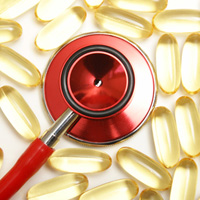 Researchers have found that there is a correlation between a larger brain volume and higher levels of omega-3 fatty acids. This suggests that the typical loss of brain cells and volume that occurs with age can be slowed with diet changes and supplements to increase omega-3 intake.
Two types of omega-3 fatty acids in particular–eicosapentaenoic acid (EPA) and docosahexaenoic acid (DHA)–were examined
Read More »
 Vitamin D is responsible for overall immune system health as well as vastly reducing the risk of numerous chronic diseases and cancers. The best way to receive vitamin D3 is through the sun, but it is essential to achieve a fine balance between healthy exposure and overexposure.
UVB rays from the sun present an unusual contradiction. They are the wavelength that can quickly cause sunburn on the surface of the skin, but they are also essential to vitamin D production. The body requires sun exposure to convert a cholesterol derivative into vitamin D3.
In order to gain safe and adequate exposure to UVB, a
Read More »
Natural Eye Care, Inc.
3 Paradies Lane
New Paltz, New York 12561
Phone: 845.475.4158

NaturalEyeCare™ started in 1999 to help the public and professionals learn about complementary care in eye disease treatment.
The information and recommendations we offer are based on over 30 years of peer review research and personal clinical experience which guides us in providing a valuable resource to our readers, customers and patients regarding maintaining healthy vision naturally.
We believe that vision health is intimately connected to overall mental, physical and spiritual health. Therefore we encourage people to look at their overall lifestyle and diet as part of keeping healthy vision and reducing the risk of eye disease onset. This includes diet, regular exercise, and management of daily stress. If one has health issues such as high blood pressure, a thyroid imbalance, any autoimmune disease and/or are on medication(s), these possible contributions to eye disease should considered when working with your health care professional.
Please do not hesitate to call us at 845.475.4158 with any questions and concerns.