
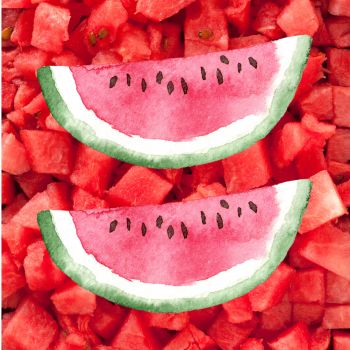
 Watermelon is a great summer fruit, but it also has some powerful health benefits that you may not know about. The key nutrient in this tasty melon is lycopene, a carotenoid found in red fruits and vegetables, which is essential for eye health. Research has shown that a deficiency in lycopene is associated with macular degeneration. As such, it is important to maintain a diet rich in lycopene and other nutrients essential to preventing disease.
You’ve probably seen lycopene touted on bottles of tomato ketchup. It’s true that tomatoes are one source of lycopene, but ketchup
Read More »
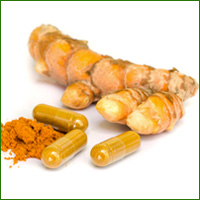 Research on turmeric spice indicates its potential to fight depression, cancer, diabetes, and neurodegenerative disease. The bright yellow spice, which lends color and flavor to mustard, curry, and other foods, also contains highly beneficial chemicals like curcumin.
Curcumin has been studied widely in the past, but it only makes up about two to five percent of the turmeric spice. Researchers from the Cytokine Research Laboratory
Read More »
 Diabetic retinopathy is an eye disease that is a complication of diabetes. In diabetes, levels of blood sugar are chronically elevated due to lack of insulin, an insulin insensitivity, or a combination of both. Just as sugar combined with water outside the body forms a sticky substance, excessive sugar in the bloodstream does so as well. Sugar adheres to numerous different tissues in the body, causing problems depending on the tissue. Prolonged excessive sugar in the bloodstream tends to damage the blood vessels of the retina, the back part of the eye that sends light signals to the brain. As the blood vessels
Read More »
 Keratoconus is a disorder of the cornea that causes visual distortion. Changes in the cellular structures of the cornea cause it to thin and bend into a pronounced cone shape, losing its normal gentle curvature. This leads to several types of visual distortion including blurring, halos around lights, and, in some cases, rapid vision loss. The signature sign of Keratoconus is the perception of multiple ghostly images, called monocular polyopia.
The causes of Keratoconus are not yet known, but one possible link is magnesium deficiency. Numerous
Read More »
 A new study shows that omega-3 fatty acids could help with wet macular degeneration. Macular degeneration is expected to increase by 50% in older adults in industrialized countries by 2020. As the leading cause of vision loss in the elderly, it is a condition of serious significance. The macula is the central part of the retina. While it makes up only about 2% of the total retina, the brain devotes half of its visual processing network to information from the macula. It is responsible for central vision. The retina is a thin layer of nerves
Read More »
 Fuchs’ Corneal Dystrophy is named for the Austrian ophthalmologist Ernst Fuchs, who first described the condition in 1910. He described thirteen patients who suffered from corneal clouding, blisters on the corneal epithelia and loss of corneal sensation.
“Dystrophy” refers to any disorder or condition in which a particular tissue or organ of the body wastes away. In Fuchs’ Dystrophy, the tissue that wastes away is the corneal endothelium. Just as epithelium refers to an external skin layer, endothelium refers to an internal skin layer. The corneal endothelium is the back
Read More »
 A traditional herb has been getting a lot of attention from researchers lately. Ginseng! It came from the Appalachians and Ozarks, where it was used by American Indians as a medicinal herb. In the 1700s, it was sold extensively to Asian traders who promoted its cultivation in China and Korea. It is now cultivated commercially in the Eastern US and upper Midwest.
Read More »
Vitamin A deficiency is uncommon in the U.S., but it affects many people in the developing world. One of first symptoms of a vitamin A deficiency is night blindness, which, if untreated can develop into full scale blindness. According to the World Health Organization Report on Vitamin A Deficiency, night blindness is estimated to affect 5.2 million preschool-age children and 9.8 million pregnant women around the globe.
Writing on a case in The Lancet, doctors who treated a pregnant woman who came to the emergency room after several weeks of progressive sight loss described this particular case, “Vitamin A deficiency can be secondary to poor intestinal absorption due to weight loss surgery, Crohn’s disease or pancreatic dysfunction. Our patient had anorexia nervosa and had limited her diet to white onions, white potatoes, and red meat for the past 7 years.”
Read More »
 Homocysteine is an amino acid that can be measured with a simple blood test. The study, which appeared in the Journal of Affective Disorders in August 2013, studied 358 people aged 50 and up who had symptoms of depression.
They gave the subjects cognitive tests that looked at immediate and delayed memory, as well as global cognitive performance. They measured
Read More »
Natural Eye Care, Inc.
3 Paradies Lane
New Paltz, New York 12561
Phone: 845.475.4158

NaturalEyeCare™ started in 1999 to help the public and professionals learn about complementary care in eye disease treatment.
The information and recommendations we offer are based on over 30 years of peer review research and personal clinical experience which guides us in providing a valuable resource to our readers, customers and patients regarding maintaining healthy vision naturally.
We believe that vision health is intimately connected to overall mental, physical and spiritual health. Therefore we encourage people to look at their overall lifestyle and diet as part of keeping healthy vision and reducing the risk of eye disease onset. This includes diet, regular exercise, and management of daily stress. If one has health issues such as high blood pressure, a thyroid imbalance, any autoimmune disease and/or are on medication(s), these possible contributions to eye disease should considered when working with your health care professional.
Please do not hesitate to call us at 845.475.4158 with any questions and concerns.