
 CoQ10 is a nutrient essential to energy production in the heart. It also has the ability to improve mitochondria metabolism. Issues with mitochondria function may play a role in AMD onset. A study on this was published in Ophthalmologica in 2005.
The researchers of the study designed a trial with compounds shown to improve mitochondria function. This included CoQ10, omega-3 fatty acids, and
Read More »
 In a recent study, hospital patients with higher levels of the vitamin were less likely to develop hospital-acquired bloodstream infection (HABSI).
This protective effect of vitamin D is an important finding. Boston researchers collected data from 2,135 patients of Boston hospitals from 1993 to 2010. The men and women had vitamin D levels measured before admission to the hospital. 48 hours after admission, their blood samples were
Read More »
 It’s important to check with your doctor if you are suffering from chronic head pain. However, there are some natural remedies you may find helpful.
Exercise
Studies find that aerobic exercise is as effective at preventing migraines as the migraine medication topiramate. A study
Read More »
 This report, called “Green Tea Catechins and Their Oxidative Protection in the Rat Eye,” is the first to detail how all the eye tissue take in green tea’s antioxidants, called “catechins.” This research may ultimately show how green tea could help stave off glaucoma and other eye diseases.
Antioxidants are important because they attack free radicals, molecules that create oxidative stress. Significant research points to free radical damage as a potential cause of disease, damage and aging to the
Read More »
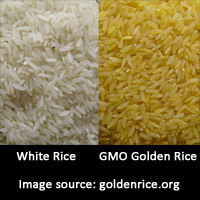
World Wide Beta Carotene Deficiency
The study, published in The Journal of Nutrition, states that many people across the world do not get the necessary 2 -4 mg of vitamin A. Source: Nutraingredients.
Controversy over GMO “Golden Rice”
A variety of rice genetically modified to contain beta-carotene awaits approval in the Philippines. Supporters claim the rice could be an answer to the widespread Vitamin A deficiency in the country. They hope to see the “Golden Rice” in fields within the year, after it passes biosafety tests.
Read More »
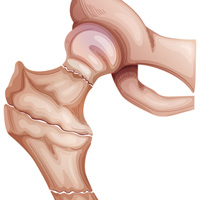 Researchers at Ohio State University examined the effect of high levels of omega-3 fatty acids in the blood of postmenopausal women. The study found that this showed a lower risk of hip fractures in the patients.
Hip fracture and bone loss issues are often increased by inflammation. Omega-3 fatty acids are already known to lower inflammation. The study thus posed the question of whether omega-3 fatty acid intake might lower fracture risk.
Read More »
 New evidence continues to support dietary lutein, carotenoids, zeaxanthin, and meso-zeaxanthin as a means of inhibiting development of age-related macular degeneration (AMD). AMD is the leading cause of loss of vision in Western people over age 55.
A study published in 2010, in Archives of Biochemistry and Biophysics by the Department of Ophthalmology and Visual Sciences at University of Utah, found that production of singlet oxygen in the human retinal pigment epithelium (RPE) and choroid is prevented or reduced by lutein, zeaxanthin, and meso-zeaxanthin, which act as
Read More »
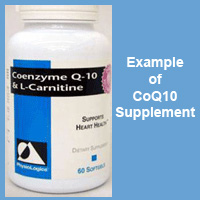 CoQ10 deficiency and supplementation were explained in an article by Michael S. Pepper and his colleagues at the University of Pretoria in South Africa. The article in the March, 2013 issue of Nutrition Reviews covered both primary and secondary coenzyme Q10 (CoQ10) deficiency.
In primary CoQ10 deficiency, the body cannot properly synthesize CoQ10 because of genetic mutations. The gene sequences needed to produce the enzymes are incorrect.
 The Food and Drug Administration (FDA) has recommended that the block-buster sleeping pill Ambien (zolpidem) dose be lowered, especially for women, due to negative side-effects. The drug stays in women’s system much longer than in men’s. Too many car accidents the day after taking Ambien have lead to the government agency to halve the recommended dose for women, and re-consider the dose for men.
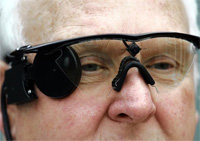 The first implanted device for adults with retinitis pigmentosa has been approved by the U.S. Food and Drug Administration. Called the Argus II Retinal Prosthesis System, the device includes a tiny video camera, a transmitter (on a pair of glasses), and a video processing unit. The patient’s retina is replaced with a prosthesis. The camera wirelessly transmits visual information to the retinal prosthesis to improve vision.
Natural Eye Care, Inc.
3 Paradies Lane
New Paltz, New York 12561
Phone: 845.475.4158

NaturalEyeCare™ started in 1999 to help the public and professionals learn about complementary care in eye disease treatment.
The information and recommendations we offer are based on over 30 years of peer review research and personal clinical experience which guides us in providing a valuable resource to our readers, customers and patients regarding maintaining healthy vision naturally.
We believe that vision health is intimately connected to overall mental, physical and spiritual health. Therefore we encourage people to look at their overall lifestyle and diet as part of keeping healthy vision and reducing the risk of eye disease onset. This includes diet, regular exercise, and management of daily stress. If one has health issues such as high blood pressure, a thyroid imbalance, any autoimmune disease and/or are on medication(s), these possible contributions to eye disease should considered when working with your health care professional.
Please do not hesitate to call us at 845.475.4158 with any questions and concerns.