
 A new study in the journal Free Radical Biology & Medicine compared the effects of lutein to grapes on the eyes. Grapes won out, providing more protection against oxidative damage to the retina than the nutrient lutein.
Mice were broken into two groups: on had a diet high in grapes, and the other received lutein, a plant chemical that recommended for eye health. The mice who ate grapes were less likely to go blind.
Grapes are rich in anti-oxidants, which fights free radical damage.
Read More »
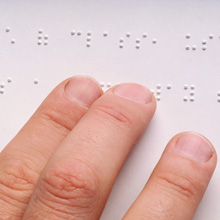 Increase in the delivery of a treatment for neovascular age-related macular degeneration (wet AMD) has resulted in a significant 50% reduction of new cases of blindness in Denmark, according to a study published in the American Journal of Opthamology. Age-related macular degeneration is the most common cause of blindness in the West. Specifically, AMD patients lose reading vision and their ability to drive, resulting in revocation of their drivers’ license.
Wet AMD is the most serious type of macular degeneration. Abnormal blood vessels start to grow in the eye, toward the yellow spot in the middle of the retina called the macular. The macular provides the most visual acuity, as well as perception of color. Wet AMD results in quick and severe loss of vision.
As the “Baby Boomer” generation in the United States approaches their 60’s and beyond, the incidence of eye disease in this aging population will rise. Eye problems become more prevalent as an individual ages. What are the most common eye diseases in older people? How can eye geriatric eye disease be prevented and addressed naturally? And what does Baby Boomer natural eye care look like?
Read More »
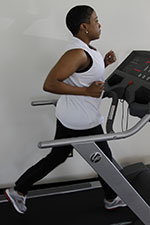
Changes in lifestyle are usually the most important way that individuals with diabetes can control their conditions. Most people seem to know this, but a new survey shows that many diabetics do not follow that advice.
A study called SHIELD (The Study to Help Improve Early Evaluation and Management of Risk Factors Leading to Diabetes), which was presented at the annual meeting of the American Diabetes Association, surveyed nearly 4,000 people with type 2 diabetes. In response to questions about the link between diabetes and obesity, 87% said they knew excessive weight contributed the disease, but only 70% of respondents reported trying to lose weight in the preceding year. Only a third of those surveyed had managed to maintain their target weight for longer than six months. Almost one-fifth of those studied (17%) said they preferred to take medication to control their conditions rather than try diet and exercise.
Read More »
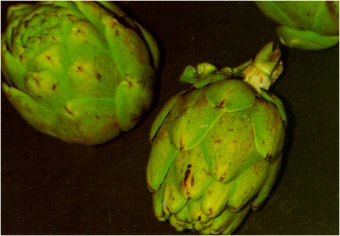
Can artichokes, blueberries and pecans save your sight?
A study out of Brigham Young University and Weill Medical College of Cornell University showed that the antioxidants found in these common foods can impede the onset of age-related blindness. Antioxidants disrupt the link between two processes within the retina that cause macular degeneration.
Learn more about this study, as published in the Journal of Biological Chemistry and other studies related to macular degeneration at our website.
Read More »
Omega-3 fatty acids are known to help the heart and they have also been found to help defend against eye diseases like macular degeneration.
A study by researchers at the Indiana University School of Medicine shows that omega-3 fatty acids could also help people struggling with alcohol addiction or psychiatric disorders. According to scientists, the DHA in the fatty acid was responsible for “normalizing behavior” in mice. When taking DHA, mice were less likely to become depressed or manic when placed under stress. Unexpectedly, the mice also lost their taste for alcohol when consuming DHA supplements.
Read More »
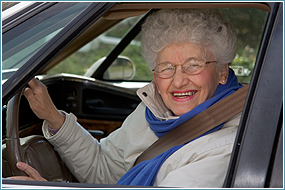
A new study finds that driving skills decline with age, even if they have previously clean driving records and showed no signs of dementia. Drivers over age 70 were much more likely to forget to check blind spots and use their turn signals and make other errors associated with increased crash risks. Motor vehicle operators between the ages of 85 and 89 were four times more likely to make critical errors than those between 70 and 74 years of age.
Read More »
Natural Eye Care, Inc.
3 Paradies Lane
New Paltz, New York 12561
Phone: 845.475.4158

NaturalEyeCare™ started in 1999 to help the public and professionals learn about complementary care in eye disease treatment.
The information and recommendations we offer are based on over 30 years of peer review research and personal clinical experience which guides us in providing a valuable resource to our readers, customers and patients regarding maintaining healthy vision naturally.
We believe that vision health is intimately connected to overall mental, physical and spiritual health. Therefore we encourage people to look at their overall lifestyle and diet as part of keeping healthy vision and reducing the risk of eye disease onset. This includes diet, regular exercise, and management of daily stress. If one has health issues such as high blood pressure, a thyroid imbalance, any autoimmune disease and/or are on medication(s), these possible contributions to eye disease should considered when working with your health care professional.
Please do not hesitate to call us at 845.475.4158 with any questions and concerns.