
The antioxidants found in beverages and foods that contain caffeine seem to protect people against the development of Alzheimer’s disease and heart disease.
In a study published in The Journal of Physical Chemistry B researchers describe how coffee can be on the greatest sources of antioxidants in the modern diet. Scientists do not know exactly how coffee helps to fight the free radicals that can be destructive to eye health and overall health. At this point, they are speculating that caffeine is the agent responsible for coffee antioxidant properties.
Read More »
Macular xanthophylls | Lutein & Zeaxanthin | Zeaxanthin Lutein Absorption | Role of Antioxidants
Macular xanthophylls, perhaps better known as lutein and zeaxanthin, are well known for their role as protectors against age related macular degeneration (AMD). Research at the University of Georgia is also finding that lutein and zeaxanthin supplementation can help people with healthy vision. Taking dietary supplements high in lutein and zeaxanthin will boost one’s ability to deal with glare and helps people recover more quickly from blinding flash of light. One more reason to boost your intake of these great little compounds? They have been linked to improved cognitive health in older adults.
Read More »
Women under 75 | Annual Survey | Vitamin D3 | D Sources
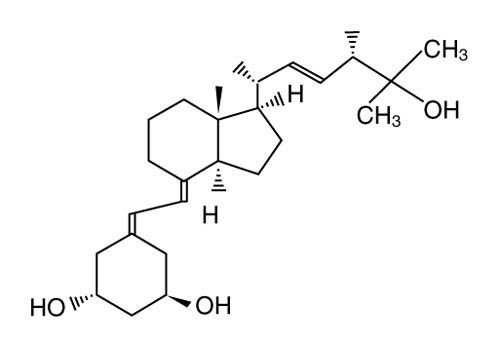
Vitamin D – and the fact that so many people are deficient in this vital compound – has been in the news a lot lately. A lack of vitamin D has been linked to asthma in children, the development of cancers, cognitive impairment, and increased risk of cardiovascular diseases.
Vitamin D impacts the health of the eyes as well.
A number of studies show that low vitamin D3 levels correspond to an increase in the incidence of age related macular degeneration.
Read More »
Add: Eggs | Walnuts | Omega-3 | Fatty Fish | Other Nutrients
Limit: Refined Carbohydrates | Red Meat
Declining Rates | Increasing Rates
A study of over 5,000 American from various racial and ethnic backgrounds shows that across the board, an estimated 6.5% of Americans are likely to develop macular degeneration (AMD).
Unlike glaucoma, which affects a disproportionately high number of African Americans, macular degeneration is shown to be much more common in white Americans than it is in blacks.
Read More »
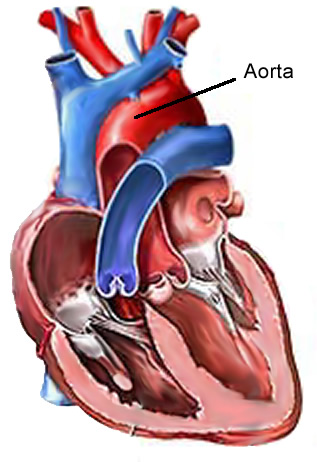
Free radicals might be a good thing?
At Natural Eye Care, we extol the benefits of antioxidants because they fight the free radicals that lead to oxidation, which in turn cause aging: skin changes such as the appearance wrinkles, and ocular changes, including the development of cataracts and macular degeneration.
Your eyes love antioxidants like those found in bilberry (a close relative to the blueberry) and in high quality supplements.
And yet, a new study published in The Journal of Physiology (online 28 February 2011) describes how free radicals are actually essential to the healthy functioning of the heart.
Read More »
Studies have established that elderly people with age related macular degeneration are more likely to experience strokes. A new study presented at the American Stroke Association’s International Stroke Conference 2011 is the first to determine the type of stroke that people with AMD are likely to suffer.
Researchers looked at two kinds of strokes: those caused by brain hemorrhage (aka a “bleeding stroke”) and those caused by brain infarction (a blood clot).
Macular degeneration is associated with brain hemorrhages rather than brain infarction.
Read More »
Natural Eye Care, Inc.
3 Paradies Lane
New Paltz, New York 12561
Phone: 845.475.4158
NaturalEyeCare™ started in 1999 to help the public and professionals learn about complementary care in eye disease treatment.
The information and recommendations we offer are based on over 30 years of peer review research and personal clinical experience which guides us in providing a valuable resource to our readers, customers and patients regarding maintaining healthy vision naturally.
We believe that vision health is intimately connected to overall mental, physical and spiritual health. Therefore we encourage people to look at their overall lifestyle and diet as part of keeping healthy vision and reducing the risk of eye disease onset. This includes diet, regular exercise, and management of daily stress. If one has health issues such as high blood pressure, a thyroid imbalance, any autoimmune disease and/or are on medication(s), these possible contributions to eye disease should considered when working with your health care professional.
Please do not hesitate to call us at 845.475.4158 with any questions and concerns.