
 A cataract is defined as a clouding of the lens of the eye that is usually associated with aging. However, approximately 1 in 250 newborns in the US have a cataract on at least one eye at birth, or develop a cataract soon after they are born. While many cases of congenital cataracts are detected and treated quickly, it is estimated that up to 1/3rd of older children diagnosed with a cataract had it at undetected at birth. Early treatment is crucial for the brain to develop normally, and to prevent lazy eye (amblyopia) and other vision problems.
The reasons for congenital cataracts in newborns may include infection (especially measles during pregnancy), genetics, metabolic problems, inflammation, diabetes, trauma or reactions to drugs. Common tetracycline antibiotics taken during pregnancy can cause cataracts in the developing baby. Older children can get pediatric cataracts for reasons comparable to the ones above; eye injuries such as a blow to the eye are more typically the cause, associated with 40% of pediatric cataracts cases.
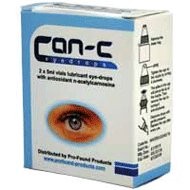 Cataracts is a clouding of the eye lens, and one option for managing this eye disease is Can-C eye drops. The question arises as to the effectiveness Can-C eye drops as a means of managing cataracts. The product’s origin, ingredients, studies and user experiences need to be examined to determine the product’s effectiveness.
Cataracts becomes more common as people age. Colors begin to look less vibrant, and visual acuity decreases. Patients may become more sensitive to glare, have blurred vision, increased nearsightedness, and sometimes double vision in one eye. Cataracts can be caused by excessive exposure to UV radiation (sun and tanning without proper UV protective glasses), diabetes, smoking, and certain medications (especially steroids).
 The FDA has approved a patented device called the iStent® Trabecular Micro-Bypass Stent that helps reduce eye pressure from glaucoma in patients who also have cataracts. The new device addresses the fact that 90 of patients with glaucoma are not compliant with their glaucoma eye drop instructions, and half stop using their drops after 6 months. iStent allow patients to use eye drops less often, and may even make the drops unnecessary.
Glaucoma is a serious and progressive eye disease in which a build-up of pressure in the eye causes damage. It may have no symptoms in its early stage and therefore, regular screening by an optometrist or ophthalmologist is necessary. Glaucoma is especially prevalent in the elderly.
 Did you know that the leading cause of blindness in children is eye inquires, and that most eye injuries in schoolchildren are sports-related? According to The National Eye Institute, the damage from eye injuries can be temporary or, or they can lead to permanent loss of vision.
School children eye injury statistics:
 Guest Blogger, Richard Keane
A new review has revealed that thousands of patients in UK care homes (nursing homes) are missing out on sight tests and acceptable standards of eye care. The review, compiled by the Thomas Pocklington Trust and the International Longevity Centre UK, claims that up to half of the 400,000 elderly people living in UK care homes suffer from sight loss that could be treated. Diseases prevalent in the elderly include glaucoma, cataracts, and macular degeneration. However, eye health is being neglected in the majority of homes, with some carers assuming that there is no need for sight testing in elderly patients, especially in the case of those with Alzheimers Disease (dementia), and a lack of national policy is causing eye care to fall low down on the list of care priorities.
Read More »
 The sun represents a potential threat to the eyes. Overexposure to sunlight can cause an increased risk of cataracts, cancer of the lids of the eyes, and even cornea burns. It is important to prevent eye disease and injury caused by UV radiation and sunlight.
Dr. George Cioffi is the chief of ophthalmology at New York-Presbyterian Hospital/Columbia University Medical Center. He points out that people at elevated risk of eye damage from the sun include cataract surgery patients, people with light colored eyes, patients who have disorders of the retina, and patients whose medications cause sensitivity to light.
 As people age, eye diseases and conditions that commonly occur include macular degeneration, cataracts, vitreous tears/retinal tears and detachments, glaucoma, diabetic retinopathy, dry eyes, and eye floaters.
The question arises as to whether eye disease is inevitable with age. Will all older adults eventually have a “glint” in their eyes after cataracts surgery? More than 50% of people aged 75+ have glaucoma, cataracts, or macular degeneration. Can aging adults do anything to prevent, manage or slow down eye diseases associated with aging?
A large body of research is accumulating that shows the effects of regular eye exercises, good nutrition, and targeted supplementation on preventing and/or managing eye conditions. For instance, peer-reviewed research has shown that the risk of getting macular degeneration can be significantly reduced by taking fish oil and lutein on a daily basis. Vigorous exercise may reduce the incidence of glaucoma. And the effects of antioxidants on preventing cataract and macular degeneration have been the subject of significant research.
 The obesity epidemic may have an impact on the health of the eyes. While scientific studies do not seem to have found a direct link between obesity and eye disease, maintaining a healthy weight supports your overall health and helps prevent diseases that can harm the eyes. Here’s why.
Obesity is a step up from “overweight.” The National Institute of Health (NIH) in the United States, commonly uses Body Mass Index (BMI). This is a ratio of height to weight. Overweight is a BMI of 25-29, and obesity is a BMI of 30 or more. For example, 5′ 7″ person who weighs 160 pounds would have a BMI of 25 (just barely overweight). This same person at 195 pounds would have a BMI of 30 (obese) and at serious risk of disease such as heart disease, cardio-vascular disease, stroke, cancer, diabetes and lower-body joint problems.
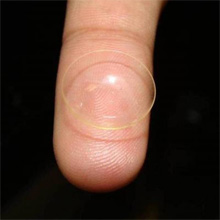 Treatment for the second leading cause of vision loss and blindness, glaucoma, may be improved with a new type of contact lenses that are loaded with Vitamin E. These new Vitamin E contact lenses may serve as delivery devices to treat glaucoma and other eye diseases such as dry eye and cataracts.
Medicated eye drops are typically prescribed as the primary treatment for glaucoma; however, the medicine is washed away in 2 to 5 minutes and most of it doesn’t reach the target tissues. Instead, most of eye drops enter the blood stream, where they may cause unwanted side effects.
As the “Baby Boomer” generation in the United States approaches their 60’s and beyond, the incidence of eye disease in this aging population will rise. Eye problems become more prevalent as an individual ages. What are the most common eye diseases in older people? How can eye geriatric eye disease be prevented and addressed naturally? And what does Baby Boomer natural eye care look like?
Read More »
Natural Eye Care, Inc.
3 Paradies Lane
New Paltz, New York 12561
Phone: 845.475.4158

NaturalEyeCare™ started in 1999 to help the public and professionals learn about complementary care in eye disease treatment.
The information and recommendations we offer are based on over 30 years of peer review research and personal clinical experience which guides us in providing a valuable resource to our readers, customers and patients regarding maintaining healthy vision naturally.
We believe that vision health is intimately connected to overall mental, physical and spiritual health. Therefore we encourage people to look at their overall lifestyle and diet as part of keeping healthy vision and reducing the risk of eye disease onset. This includes diet, regular exercise, and management of daily stress. If one has health issues such as high blood pressure, a thyroid imbalance, any autoimmune disease and/or are on medication(s), these possible contributions to eye disease should considered when working with your health care professional.
Please do not hesitate to call us at 845.475.4158 with any questions and concerns.