
 In the United States, cataract surgery is widely available. Cataracts mostly affects seniors. Even though the surgery is common with little risk of side-effects, some patients want to hold off on the surgery or avoid it completely. Preliminary research on certain eye drops designed to address cataracts may offer hope to these patients.
Cataracts is a clouding of the lens of the eye. It is caused by oxidative damage from ultraviolet light (UV) exposure over time. Initial symptoms include blurred, clouded
Read More »
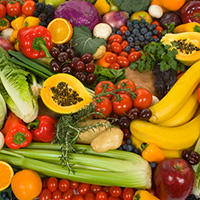 Antioxidants have been studied as a way of preventing eye diseases such as macular degeneration and cataracts. Oxidative damage (free radical damage) may be a contributing cause of these diseases. People concerned about developing these problems may consider taking both dietary and supplemental antioxidants, such as fruits, vegetables, and supplements like lutein, zeaxanthin, glutathione, and CoQ10.
A common disease in people over age 50, cataracts is a clouding of the lens of the eye. It may be caused by oxidative damage to proteins in the lens from UV light exposure.
Read More »
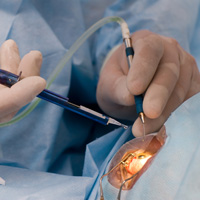 A study slated to appear in the peer-reviewed American Journal of Ophthalmology found that cataract surgery does not appear to worsen pre-existing wet AMD (age-related macular degeneration). However, cataracts surgery appears to slightly change the anatomy of the eye, which might make AMD patients more susceptible to cystoid macular edema (a side effect of cataracts surgery) and choroidal neovascularization.
Cataract surgery is a common surgery, with a very high success rate and low side effects. Replacing the clouded lens with an artificial intraocular lens (IOL) allows more light to reach the retina, which significantly improves vision in cataracts patients. Cataracts frequently appear in the eyes of individuals as they age.
Read More »
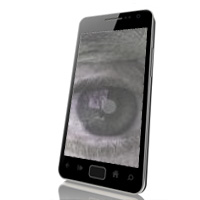 People in developing countries can face huge hurdles getting cataracts correctly diagnosed and treated. A new smartphone app called “Vula” helps diagnose cataracts using a photograph. A routine and very short cataract surgery can then be scheduled. This app is helping overcome barriers to treating this very common source of vision impairment and blindness.
Cataracts are a film that form on the lens of the
Read More »
 With cataracts affecting nearly 22 million Americans, it’s not surprising that most of us know people who have had cataract surgery. We may even be contemplating cataract surgery for ourselves. Since cataracts are almost never a medical emergency, you should feel entirely comfortable taking the time to learn more about cataracts and explore all your options.
What is a Cataract?
A cataract is simply a spot on the lens of the eye that you cannot readily see through. These spots are made up of clumps of normal eye protein and generally form slowly over time. Although most cataracts are related to aging, it is also possible for cataracts
Read More »
From before birth to the end of your life, smoking has a radical, nasty effect on your life: not only your health, but your social and mental life as well. It impacts every aspect of your life – your vision, your health, your happiness – from the time in the womb until your old age.
Read More »

The Blue Mountains Eye Study looked at 354 people over aged 48 who had visual impairment from cataracts. Some had already had cataracts surgery to replace the clouded cataract(s) and restore vision, and some got the surgery during the study. Within the group were controls who had visual impairment from cataracts and did not have the surgery. The researchers followed the patients for 15 years.
After adjusting for gender and age, the data showed a significant increase in longevity for the patients who had the surgery. This result persisted even after adjusting for tobacco use, BMI, certain heart problems, mobility, and certain major diseases that impact longevity. Accounting for the number of medications the patients were taking and using objective measures of frailty still showed the surgery had significant impact on life span.
Read More »
Cataracts are the leading cause of blindness worldwide. Fifty-one percent of blindness cases in the world are due to untreated cataracts, according to the World Health Organization. Surgery to replace the natural lens with a synthetic one is currently the most common treatment. The new research shows the possibility for more preventative and non-invasive options in the future.
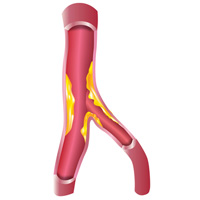 Subjects who took Zocor, lipitor or similar statins are more likely to get cataracts than non-statin users.1 A number of studies assessing data with different mathematical models find that the risk is increased by 27% to 34%.
Cholesterol can build up in the arteries, clogging them and causing strokes and heart attacks. A popular type of drug calls “statins” reduce cholesterol by blocking a substance that body needs to make cholesterol. Around 25% of Americans over the age of 45 take statin drugs to
Read More »
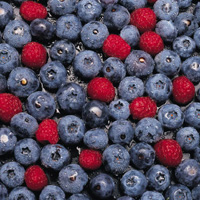 A fruit cup of mixed berries is a powerful snack: deeply colored fruits are filled with flavonoids and other antioxidants that help protect the body from disease. Antioxidants help prevent free-radical damage, which is believed to be responsible for the onset of eye diseases such as cataracts and macular degeneration.
The colored flavonoids found in berries are called “anthocyanins”. These water-soluble pigments make plants shades of red, purple and blue. Berries also contain flavonoids called “quercetin” and “apigenin”. In the field or in the wild, these flavonoids help protect the plant from pests and insects.
Natural Eye Care, Inc.
3 Paradies Lane
New Paltz, New York 12561
Phone: 845.475.4158
NaturalEyeCare™ started in 1999 to help the public and professionals learn about complementary care in eye disease treatment.
The information and recommendations we offer are based on over 30 years of peer review research and personal clinical experience which guides us in providing a valuable resource to our readers, customers and patients regarding maintaining healthy vision naturally.
We believe that vision health is intimately connected to overall mental, physical and spiritual health. Therefore we encourage people to look at their overall lifestyle and diet as part of keeping healthy vision and reducing the risk of eye disease onset. This includes diet, regular exercise, and management of daily stress. If one has health issues such as high blood pressure, a thyroid imbalance, any autoimmune disease and/or are on medication(s), these possible contributions to eye disease should considered when working with your health care professional.
Please do not hesitate to call us at 845.475.4158 with any questions and concerns.