
 Homeopathic eye drops are in high demand among people experiencing dry eye, redness, and digital eye strain. At Natural Eye Care, we are excited to announce that our website offers a new line of homeopathic eye drops from Sunnie. Several of our flagship eye drops for these issues are no longer available, but Sunnie has stepped in with these safe remedies.
Homeopathy is a natural form of medicine that uses highly diluted substances to stimulate the body’s healing processes. It’s based on the principle that ‘like treats like.’ These innovative products are a testament to our commitment to providing natural and effective solutions for your eye care needs.
Read More »
 July is Ultraviolet Safety Month, a crucial time to raise awareness about the dangers of UV rays and the importance of protecting our eyes and skin. Ultraviolet radiation, a type of energy produced by the sun, can have serious health implications if proper precautions are not taken. Why is UV safety important? What are the sources of ultraviolet radiation? How can you keep yourself and your loved ones safe from the harmful effects of UV rays?
Read More »
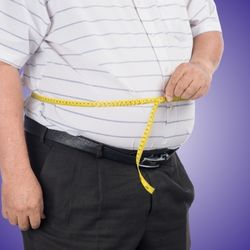 Extra weight around the belly may not seem hazardous. However, a higher abdominal circumference is one of several contributing factors to Metabolic Syndrome. As a risk factor for diabetes and cardiovascular disease, Metabolic Syndrome can creep up over time. Hormones, insulin resistance, genetics, organ dysfunction, and mitochondrial dysfunction can play a role.
Lifestyle, including nutrition and exercise, are factors that contribute to Metabolic Syndrome, and are under our control. Therefore, preventing or reversing metabolic syndrome can improve both lifespan and quality of life. Diabetic retinopathy, central retinal artery occlusion, cataract, age-related macular degeneration, glaucoma, and dry eye syndrome are eye diseases with similar underlying risk factors to Metabolic Syndrome. Oxidative stress ties into all these problems. What is the science behind Metabolic Syndrome? What can you do to head it off?
Read More »
 At Natural Eye Care, we view vision health from a whole-body perspective. Eye studies can reveal how to manage the visual system. However, the health of the eyes is connected to overall health. The visual system requires as much as 25% of the nutrients we take into our bodies. The brain needs even more. How we take care of ourselves goes a long way in helping to preserve healthy vision. Personal care includes emotional balance, and lifestyle considerations such as eating a healthy diet, exercising regularly, and targeted supplementation.
Read More »
 Myopia is one of the main reasons people start wearing glasses when they are young. Far objects are blurry, and close-up objects are clear when you are nearsighted or myopic. Did you know that lifestyle and daily habits can have a big impact on the development of myopia? Reducing the risk of myopia in children and teens is essential because this eye condition can lead to more serious eye problems. For example, it increases the risk of retinal detachment, glaucoma, and cataracts. Myopia can also strike adults. Avoiding corrective lenses entirely should be enough motivation to head off the problem. What can you do to help yourself and your family?
Read More »
 Molecular Hydrogen is gaining popularity as a therapy for everything from skin problems to eye disease to arthritis to cancer. Is molecular hydrogen the latest supplement craze? Or is there merit to using this therapy? Find out how it works, and look at the research.
Hydrogen is the very first molecule on the Periodic Table of Elements. As the smallest molecule, hydrogen can reach places that other molecules cannot. For example, hydrogen easily crosses the blood-brain barrier and reaches the interior of the eyes. It can also get into the smallest parts of the cells, which many other antioxidants cannot. Modular hydrogen is two molecules of hydrogen bonded to each other. Water is H2O — two molecules of hydrogen plus a molecule of oxygen. Molecular hydrogen is written as H2.
Read More »
 New research studies have found strong relationships between lifestyle and the aging brain. How can you help prevent or delay Alzheimer’s Disease and other forms of dementia? The eye’s retina is brain tissue. Not surprisingly, researchers have found connections between Alzheimer’s Disease, glaucoma, and lifestyle. What does the new research show? Are nutrition, supplements, exercise, and smoking avoidance shown to help?
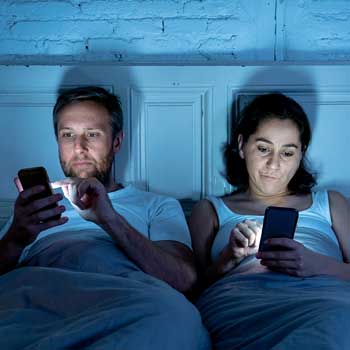 We have written extensively about how excess exposure to blue light can, over time, negatively affect vision. Not only does it affect our vision and ability to fall asleep, but it can also harm skin health, and neural pathways in the brain are affected in various ways.
Blue light is emitted from all handheld electronic devices, desktop and laptop computers, and televisions. It is emitted from the little LED lights above your stove, fluorescent lighting and LED bulbs. And, of course, blue light comes from sunlight.
Read More »

Our eyes are constantly exposed to the external environment with frequent excess exposure to UVA/UVB light. Natural exposure to the sun is exacerbated by blue light exposure from mobile phones, E-readers, handheld gaming electronics, TV, computer monitors, and fluorescent and LED lighting.
In addition to blue/UV light, our long hours on computers and mobile phones cause stress on our visual system. Physical and visual fatigue reduces the free flow of energy and circulation to the eyes, often accompanied by muscle tension in the neck, shoulders, and lower back.
Read More »
 Summertime is here, and it is great to be outdoors enjoying the wonderful weather. Some daily exposure to sunlight helps build up Vitamin D in the body and is good for eye health, but excessive exposure can lead to skin damage, skin cancer, and even promote eye disease which may include macular degeneration, other retinal disorders, and cataracts. Ongoing exposure to blue light increases the risk of neovascular (wet) macular degeneration, particularly associated with low levels of antioxidants, and especially low levels of vitamin C and zeaxanthin.1 Another study suggested that extended exposure to sunlight outdoors may be associated with age-related maculopathy.2
Read More »
Natural Eye Care, Inc.
3 Paradies Lane
New Paltz, New York 12561
Phone: 845.475.4158

NaturalEyeCare™ started in 1999 to help the public and professionals learn about complementary care in eye disease treatment.
The information and recommendations we offer are based on over 30 years of peer review research and personal clinical experience which guides us in providing a valuable resource to our readers, customers and patients regarding maintaining healthy vision naturally.
We believe that vision health is intimately connected to overall mental, physical and spiritual health. Therefore we encourage people to look at their overall lifestyle and diet as part of keeping healthy vision and reducing the risk of eye disease onset. This includes diet, regular exercise, and management of daily stress. If one has health issues such as high blood pressure, a thyroid imbalance, any autoimmune disease and/or are on medication(s), these possible contributions to eye disease should considered when working with your health care professional.
Please do not hesitate to call us at 845.475.4158 with any questions and concerns.