
Your Eyes Benefit from Lutein, Zeaxanthin, and Meso-zeaxanthin
 Lutein, zeaxanthin, and meso-zeaxanthin are potent antioxidants found in green leafy vegetables, eggs, corn and even chocolate. They have a profound effect on preserving healthy vision, brain function, the immune and cardiovascular systems.
New research is focusing less on the well-established understanding of local benefit from nutrients, e.g. lutein for macular degeneration or cataract, and more on its systemic benefits affecting the immune system, the brain and cognitive function, the eye, cancer, and cardiovascular health.1 In addition, new research is focused on the “why” of the benefit of these carotenoids.
Read More »
 Does Sunlight Danger Outweigh the Benefits?
Many studies demonstrate that exposure to sunlight provides protection to diseases such as hypertension, diabetes, multiple sclerosis, and a variety of cancers, and avoiding sunlight may influence their progression.1 It has been thought that these protections are due only to vitamin D, whose creation requires sunlight, but researchers are now reporting that circadian clock influencing, immune response modification, and nitric oxide, melatonin, and serotonin formation are involved as well.2 In fact, researchers are finding that the risk of skin cancer increases with irregular patterns of sun exposure, while regular patterns convey relatively lower risk. This is the difference between getting sunburned versus a brisk daily walk in the sunlight.
Read More »
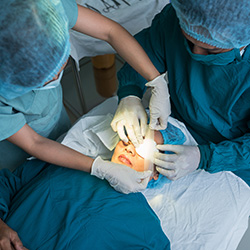 Cataracts are one of the most common eye conditions among seniors. A cataract results in clouding the vision, and eventually causes blindness if not treated. The conventional approach to cataracts is to wait and see if it gets worse. When a cataract is advanced, an eye surgeon usually offers cataract surgery. Cataract surgery uses artificial lenses that correct any clouding due to a cataract. It can correct certain refraction errors at the same time. However, not everyone is a good fit for this treatment. Which nutrients help promote healthy lenses and overall eye health? What does recent research into cataract pharmacotherapy show? And, which combinations of nutrients are the most effective for lens support?
Read More »
 Have you ever noticed specks or clouds in your field of vision? They are most likely eye floaters. Floaters can look like cobwebs, blobs, dots, or little insects that float around. Eye floaters can be semi-transparent or darker. If you have them, they are more noticeable in certain lighting conditions, such as bright sunlight. You might not notice them at all unless you are looking for them.
Read More »
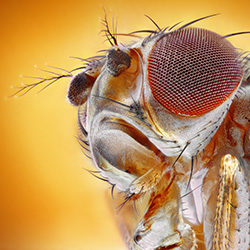 Findings from a recent study suggest that blue light, the same light emitted from smartphones and fluorescent light bulbs, causes brain damage and premature aging in fruit flies.
Why would research on fruit flies be important for human brains? Surprisingly, many of the genes of fruit flies are the same as the genes in humans, and studies on fruit flies often reveal information valuable for human health. Fruit flies’ life cycle is short so scientists can see aging patterns.
As published in the journal Aging and Mechanisms of Disease, researchers at Oregon State University conducted an experiment where they subjected adult fruit flies to blue light. The targeted group of adult flies was exposed to twelve hours of blue light, followed by twelve hours of darkness. They then compared these flies to the control group. Those flies were kept in total darkness for twenty-four hours or bathed in light where blue wavelengths were blocked.
Read More »
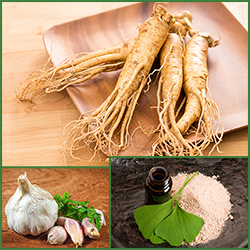 Three time-tested supplements stand out as champions for eye and brain health: garlic, ginseng, and ginkgo. Research on these supplements backs up why they have been used for thousands of years. Garlic plays an important role in all three major traditional medicines–Traditional European Herbal Medicine, Ayurveda, and Traditional Chinese Medicine. Ginseng and ginkgo are crucial herbs in Traditional Chinese Medicine. Do these supplements work? Are they beneficial for aging brains and eyes? What does the research show?
Read More »
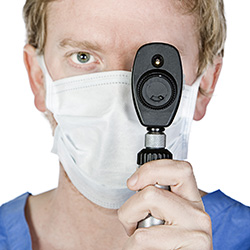 Cataracts can not only be prevented, but can even be reversed through nutrition, supplementation and lifestyle changes. Learn about products to support lens health.
Cataracts were once considered an inevitability for seniors. In the United States, only 10% of 55-year-olds have experienced cataracts. However, half of 75-year-olds have developed cataracts and at age 85, the number is 70%.1
Read More »
 Astaxanthin is a potent antioxidant that helps prevent sun damage to the body by blocking free radical damage. This bright red molecule forms in certain algae, pink seafood, and yeast. Unlike beta-carotene, this carotenoid crosses the blood-brain barrier to help maintain healthy brain function. Astaxanthin helps the brain by promoting neurogenesis, the generation of new brain neurons. This nutrient also supports existing neurons by reducing oxidative stress. Scientists have found that astaxanthin can protect against cumulative sun damage to the eye. This nutrient may help reduce the risk of eye disease such as macular degeneration. It may also protect against cataracts and vision loss from glaucoma. In addition, related carotenoids called lutein and zeaxanthin block blue light and work synergistically with astaxanthin.
Read More »
 A study conducted in North India found that people with low levels of antioxidants had higher levels of cataracts.1 A meta-analysis in 2015 found that too little vitamin E increased the risk of developing cataracts.2 Diabetes and fluctuations in blood sugar levels are risk factors for cataracts. Cataracts are the leading cause of total blindness in the world. Whether you have access to cataract surgery or not, prevention is better than disease. Scientists have studied specific nutrients and their links to cataract formation. What can you do to help prevent cataracts? Which fruits, vegetables, and other foods reduce cataract risk? If you have already developed cataract, can you do anything?
Read More »

Mother always told you to eat your fruits and vegetables – but why? Modern researchers are finding more and more about antioxidants for health. Scientists publish mountains of peer-reviewed research a year on antioxidants found in fruits and veggies. One type of antioxidant is called “phytonutrients.” Found in plant pigments, phytonutrients are especially good for the eyes and brain. How do phytonutrients slow the impact of aging and reduce disease risk? Which foods contain significant amounts of the best types of phytonutrients?
Natural Eye Care, Inc.
3 Paradies Lane
New Paltz, New York 12561
Phone: 845.475.4158

NaturalEyeCare™ started in 1999 to help the public and professionals learn about complementary care in eye disease treatment.
The information and recommendations we offer are based on over 30 years of peer review research and personal clinical experience which guides us in providing a valuable resource to our readers, customers and patients regarding maintaining healthy vision naturally.
We believe that vision health is intimately connected to overall mental, physical and spiritual health. Therefore we encourage people to look at their overall lifestyle and diet as part of keeping healthy vision and reducing the risk of eye disease onset. This includes diet, regular exercise, and management of daily stress. If one has health issues such as high blood pressure, a thyroid imbalance, any autoimmune disease and/or are on medication(s), these possible contributions to eye disease should considered when working with your health care professional.
Please do not hesitate to call us at 845.475.4158 with any questions and concerns.