
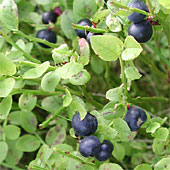
A nutritional supplement comprised of a patented blend of bilberry and pine bark is marketed as Mitrogenol. A study published in Clinical Opthamology describes a study of 79 people with raised eye pressure levels. The intraocular pressure (IOP) of participants who took Mitrogenol decreased by 24%. Those who took the pharmaceutical eye drop Latanoprost experienced a 28% drop in IOP. A third group that took a combination of both remedies watched their levels go down by 40%
Researchers found that taking these products together helped lower IOP and resulted in better retinal blood flow. It is noted that Latanoprost has been noted to cause dry eyes, eye color changes, and eyelid irritation.
Read More »
Are cataracts just an inevitable part of getting older? There is a lot of scientific research that indicates your diet and lifestyle choices actually have a lot to do with your risk of developing cataracts.
Smoking
Another study points to cigarettes as being a major cause of cataracts. In fact, smoking is implicated as the cause 20% of all cataracts cases. Men who smoke more than a pack a day increase their risk for cataracts by 205%! For female smokers, that risk increases a still substantial 63%.
Read More »
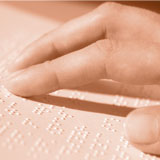
Canadian researchers have published a paper that seeks to answer whether blind people enjoy an enhanced sense of touch because their brains are compensating for sight loss or because they use their fingertips to do so much.
According to the study, published in the Journal of Neuroscience, it is the regular use of their fingertips to learn about their environment that explains blind individuals’ keen sense of touch.
Read More »
The antioxidants found in beverages and foods that contain caffeine seem to protect people against the development of Alzheimer’s disease and heart disease.
In a study published in The Journal of Physical Chemistry B researchers describe how coffee can be on the greatest sources of antioxidants in the modern diet. Scientists do not know exactly how coffee helps to fight the free radicals that can be destructive to eye health and overall health. At this point, they are speculating that caffeine is the agent responsible for coffee antioxidant properties.
Read More »
Natural Eye Care, Inc.
3 Paradies Lane
New Paltz, New York 12561
Phone: 845.475.4158

NaturalEyeCare™ started in 1999 to help the public and professionals learn about complementary care in eye disease treatment.
The information and recommendations we offer are based on over 30 years of peer review research and personal clinical experience which guides us in providing a valuable resource to our readers, customers and patients regarding maintaining healthy vision naturally.
We believe that vision health is intimately connected to overall mental, physical and spiritual health. Therefore we encourage people to look at their overall lifestyle and diet as part of keeping healthy vision and reducing the risk of eye disease onset. This includes diet, regular exercise, and management of daily stress. If one has health issues such as high blood pressure, a thyroid imbalance, any autoimmune disease and/or are on medication(s), these possible contributions to eye disease should considered when working with your health care professional.
Please do not hesitate to call us at 845.475.4158 with any questions and concerns.